

Most pool-related illnesses won’t kill you, but no one wants to spend their vacation or a week of beautiful summer days in the bathroom.
Articles on Disinfectant
Displaying all articles

Quaternary ammonium compounds, also known as QACs or quats, are commonly used antimicrobials also found in many household products. Soap and water may be a safer bet when cleaning surfaces.
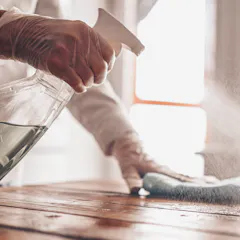
We can’t say whether longer Omicron survivability on surfaces relates to a greater risk of infection.
A deep clean involves cleaning objects or surfaces that may not be routinely cleaned, such as walls, ventilation ducts, curtains, carpets, and hard-to-reach places.
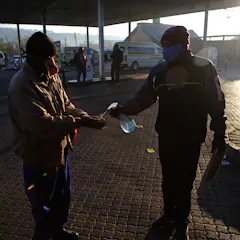
Hand hygiene is a critical part of the response to COVID-19. Washing hands at regular intervals during the day is essential. If water and soap are unavailable, hand sanitisers are an alternative.

UV disinfection is a proven means of killing pathogens like the SARS-CoV-2 virus, but it’s not risk-free.
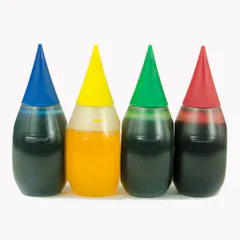
Aerosols of some FDA-approved food coloring could deactivate airborne viruses.
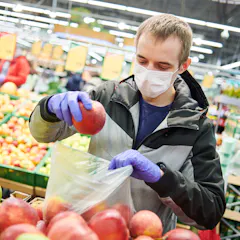
Frequently-touched surfaces including trolley handles and card readers carry the highest number of virus particles.
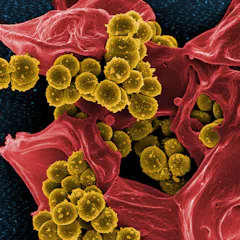
Antimicrobial resistance is a public health and economic disaster waiting to happen. If we do not address this threat, by 2050 more people will die from drug-resistant infections than from cancer.
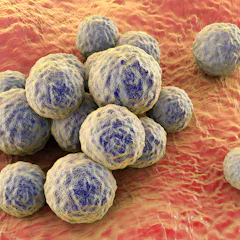
Hospital disinfectants could be creating superbugs.
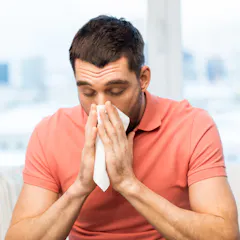
From face-touching to virus-contaminated electronic devices, a scientist offers some tips on eradicating the flu virus from your home.
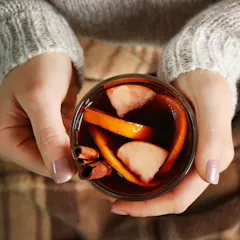
Wine has long been known for its disinfecting and cleansing properties. So can it kill flu and other bugs? And what about other types of alcohol?
Top contributors
-

Associate Professor and Clinical Academic Gastroenterologist, Western Sydney University
-
Freelance scientific consultant, University of Guelph
-
Professor - Department of Plant and Soil Sciences and co-director of the Centre of Excellence in Food Security, University of Pretoria
-
Assistant Professor of Food Science and Human Nutrition, Pharmacology and Toxicology, Michigan State University
-
Doctoral student in Biomedical Engineering, Purdue University
-
Postdoctoral fellow - Faculty of Natural and Agricultural Sciences, University of Pretoria
-
Professor of Biocchemistry and Biomedical Sciences, McMaster University
-
Postdoctoral research associate, Biomedical Engineering, Purdue University
-
Professor of Nursing and Health Services Research, University of Newcastle
-
Professor of Biomedical Engineering, Purdue University
-
Senior Clinical Lecturer, University of Aberdeen
-
Professor, Director of Research, Nursing and Midwifery, Monash University
-
Postdoctoral Fellow, Biomedical Engineering, Purdue University
-
Associate Professor, Epidemiology, Deakin University
-
Associate Professor in Environmental Engineering, UCL