

Most pool-related illnesses won’t kill you, but no one wants to spend their vacation or a week of beautiful summer days in the bathroom.
Articles on Disinfection
Displaying all articles
Perhaps mid-way through cleaning your kitchen or bathroom you’ve wondered why no disinfectant seems to be able to get rid of 100% of germs.

Keeping wounds clean and infection free has challenged people for thousands of years.

Chlorine is a widely used industrial chemical that’s frequently a factor in toxic accidents and workplace injuries. A pharmaceutical expert explains why it’s so hazardous.

Ultraviolet radiation at specific wavelengths is great at killing germs – but when used incorrectly, it can also cause health risks.
We can’t say whether longer Omicron survivability on surfaces relates to a greater risk of infection.
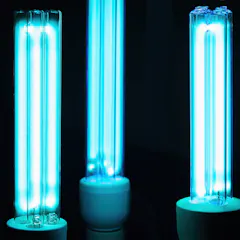
UV lights come in a variety of different wavelengths, but not all are equally effective at disinfection. Researchers tested a number of commercially available lights to find the best.
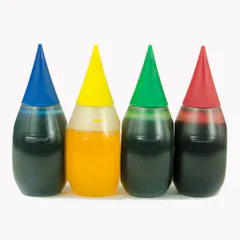
Aerosols of some FDA-approved food coloring could deactivate airborne viruses.
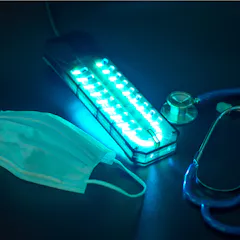
UVC radiation is effective for disinfecting objects and surfaces. It could help manage the coronavirus pandemic and fill gaps in PPE supplies.
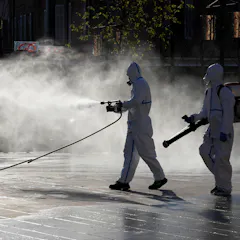
We’ve all seen the footage of people in protective suits and vehicles spraying cities to control COVID-19. But because of the way disinfectant and contamination work, it might be mostly for show.
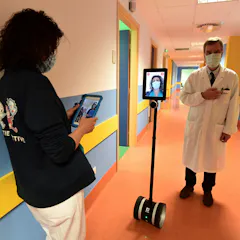
Robots are helping health care workers and public safety officials more safely and quickly treat coronavirus patients and contain the pandemic. They have something in common: They’re tried and tested.
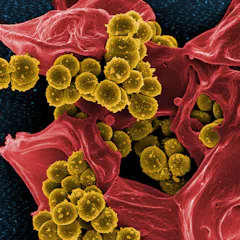
Antimicrobial resistance is a public health and economic disaster waiting to happen. If we do not address this threat, by 2050 more people will die from drug-resistant infections than from cancer.

The coronavirus, like many infectious diseases, can live and spread on inanimate objects in the world around us. An epidemiologist explains how and gives some advice on how to minimize the risk.
Chlorine has been used to disinfect drinking water for more than a hundred years. But new alternatives may be safer.
Top contributors
-

Honorary Adjunct Associate Professor, Health Sciences and Medicine, Bond University
-
Professor of Biosecurity and Deputy Vice Chancellor of Global Engagement, Murdoch University
-
Associate Professor, Epidemiology, Deakin University
-
Associate Professor, Genomics and Molecular Biology, Biomedical Sciences, Bond University; Murdoch University
-
Professor of Biomedical Engineering, Purdue University
-
Lecturer and Researcher, Harry Butler Institute, Murdoch University
-
Doctoral student in Biomedical Engineering, Purdue University
-
Senior Lecturer in Environmental Health, CQUniversity Australia
-
Professor of Pharmaceutical Sciences, University of Iowa
-
Lecturer in Microbiology, Cardiff Metropolitan University
-
Assistant researcher, Bond University
-
Professor and Chair of Epidemiology, University of Michigan
-
President of the Center for Robot-Assisted Search and Rescue/Research Fellow - The Center for Disaster Risk Policy, Florida State University
-
Postdoctoral research associate, Biomedical Engineering, Purdue University
-
Professor of Environmental Engineering and the Mortenson Professor in Sustainable Development, University of Colorado Boulder