
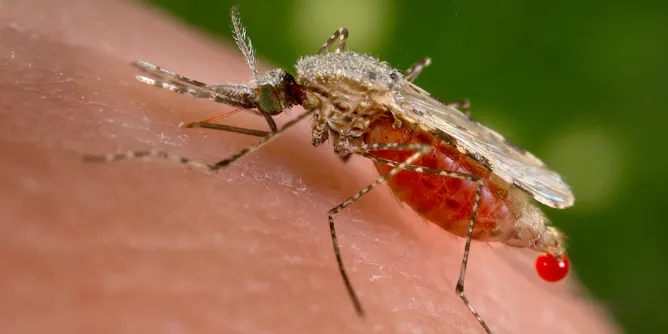
After decades of stalled progress, new vaccines, treatments and genetic tools are helping scientists protect children and save lives worldwide.
Articles on Disease spread
Displaying all articles

A new study uses maths and behavioural science to understand how your actions during an epidemic influence the spread of the disease (and vice versa).
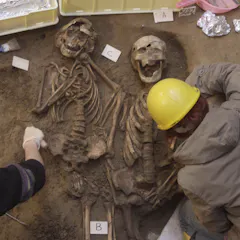
People have lived with infectious disease throughout the millennia, with culture and biology influencing each other. Archaeologists decode the stories told by bones and what accompanies them.
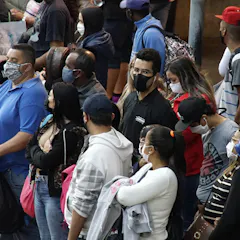
Epidemiological data suggests that 80% of COVID-19 cases can be traced to just 20% of those infected with SARS-CoV-2.
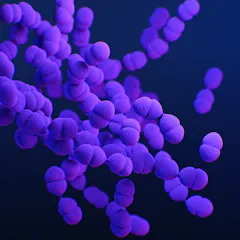
S. pneumoniae, the bacteria responsible for pneumonia, causes about one million deaths each year. Now we know how it uses the sugar raffinose to spread through the body to cause disease.
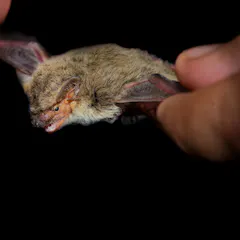
Bats have been the reservoir for recent disease outbreaks, including SARS and the current COVID-19 pandemic. But it’s human activity that allows the virus to cross over.
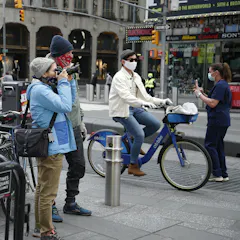
Your body can be infected and fight off SARS-CoV-2 without your ever noticing.
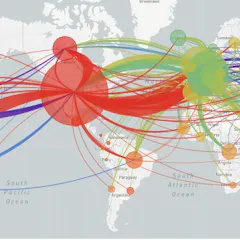
Every time the virus copies itself it makes mistakes, creating a trail that researchers can use to build a family tree with information about where it’s traveled, and when.
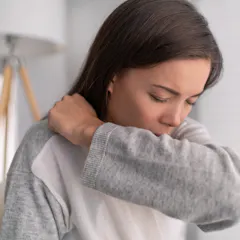
A recent study suggested the coronavirus could spread up to four metres. But the evidence isn’t strong enough to suggest we should change social distancing advice from 1.5 metres.
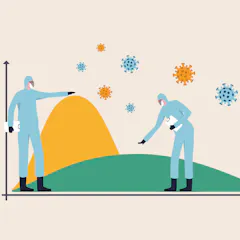
The questions researchers around the world are working on day and night.
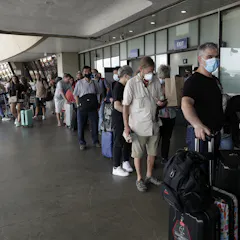
Universities and colleges around the world are closing. People are fleeing from cities. Some people are being forced to move but others must weigh the risks and ethical concerns of travel.

Currently, the number of confirmed global COVID-19 cases is doubling about every six days. At this rate, Australia’s health sector will be unable to cope.
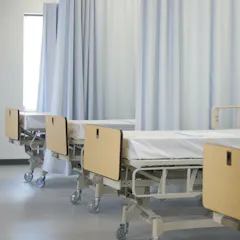
Best-case estimates suggest 40 million American adults may come down with COVID-19. But an epidemiologist explains why now is not the time to just give up.
Top contributors
-

Director, Public Health Program and Associate Professor of Integrative Physiology, University of Colorado Boulder
-
Epidemiologist | Research Associate, Australian National University
-
Lecturer in Simulation and Modelling, Brunel University of London
-
Associate Professor of Epidemiology, Texas A&M University
-
Research Scientist, CSIRO
-
Research Fellow in Agent-based Modelling, Brunel University of London
-
Postdoctoral CERC Fellow, Human Health, CSIRO
-
Professor of Data Science; Director, Adelaide Data Science Centre, Adelaide University
-
Professor of Archaeology and Biological Anthropology, School of Social Science, The University of Queensland
-
Professor of Infectious Diseases and Global Health, University of Sydney
-
Lecturer in Applied Mathematics, Adelaide University
-
Associate Professor (Teaching), Biology Department, University of Waterloo
-
Professor of Medicine, University of Virginia
-
Professor of Archaeology, Durham University
-
Professor of Anthropology, Michigan State University