

Mobile devices can be turned into tools to rapidly identify a variety of disease-causing agents, including bacteria, toxins and viruses.
Articles on Disease control
Displaying 21 - 40 of 51 articles

For contact tracing to be effective, the UK needs quick, accurate testing and lots of tracing capacity – and also for the public to be on board.

Testing healthcare workers can play a role in preventing new infections, but is a highly limited strategy and shouldn’t distract from other, more helpful measures.

The virus that caused the original Sars no longer haunts us, but the characteristics of today’s coronavirus mean it’s unlikely to disappear in the same way.

A continuous lock down is detrimental to Nigeria’s large population of people living below poverty lines, but lifting the restrictions without a proper plan is equally dangerous. Here’s what to do.

Australia and New Zealand have well and truly ‘flattened the curve’, and there is now a real chance we could eliminate coronavirus in both countries. But what does elimination actually mean?

A Hungarian obstetrician was the first to nail down the importance of handwashing to stop the spread of infectious disease.

Canadians have a reputation for compassion; in the current COVID-19 pandemic, this means helping each other by staying away.

Best-case estimates suggest 40 million American adults may come down with COVID-19. But an epidemiologist explains why now is not the time to just give up.

Even before people understood how germs spread disease, they tried to isolate the sick to keep them from infecting others.

Nigeria has to plug the gaps at points of entry to keep infectious diseases at bay.

The Nigeria Centre for Disease Control says it will use lessons from the Ebola outbreak to strengthen its risk communications capacity.
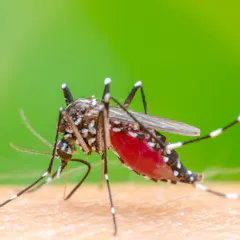
Genetically modified mosquitoes were released in Brazil in an attempt to halt the spread of dengue fever by reducing the mosquito population.

Water is crucial to the spread of malaria because mosquitoes breed and lay their eggs in or near bodies of water.

Genetic analysis shows that urban rats prefer to stay near their relatives; however, some of them migrate. Knowing this could help with pest control efforts.
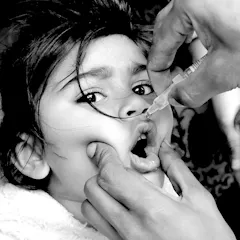
The polio vaccination successfully eradicated the disease in Canada. Can the same happen with other diseases?
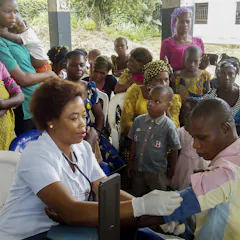
Nigeria’s health systems are overwhelmed and incapable of sustaining high quality disease surveillance, prevention, control and response.

South Africa must adopt traceability systems to effectively control foot and mouth disease.
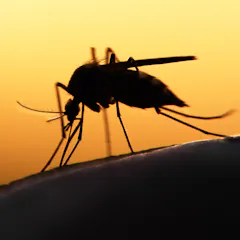
For several billion people mosquitoes are more than a nuisance – they transmit deadly diseases. Now genetic modification may prove the most effective defense against the mosquito, preventing disease.

As rain continues to fall in Kenya, national and county governments must put measures in place to prevent a Rift Valley fever outbreak.
Top contributors
-

Professor of Public Health, University of Sheffield
-
Professor, Swansea University
-
Fellow, Nigerian Academy of Science
-
Professor of Biostatistics and Epidemiology, Adelaide University
-
Distinguished Research Professor, Emerita, Dalhousie University
-
Visiting Lecturer of History, Georgia State University
-
Senior Lecturer, UNSW
-
Professor, School of Population Health, UNSW
-
Senior Principal Research Scientist, Ecosystem Sciences, CSIRO
-
Professor of Entomology and Disease Epidemiology, Penn State
-
Program Leader Effective Detection and Response, Plant Biosecurity Cooperative Research Centre
-
Senior Lecturer in Communicable Disease Epidemiology, University of Sydney
-
Infectious Diseases Lead, King's Sierra Leone Partnership, King's College London
-
Associate Professor, School of Mathematical Sciences, Monash University
-
Professor of Global Biosecurity, NHMRC L3 Research Fellow, Head, Biosecurity Program, Kirby Institute, UNSW