
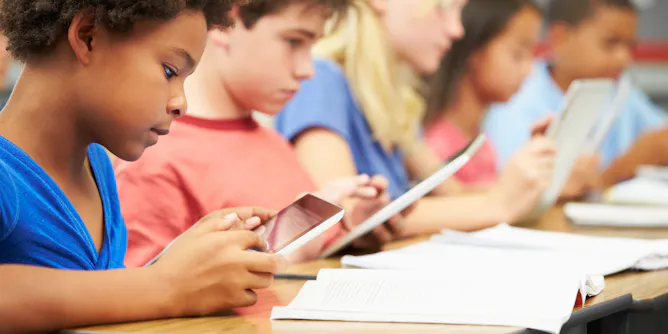
Teaching children digital literacy skills is essential to help them learn how to navigate and respond to misinformation. It also helps them grow into adults who can participate in digital democracy.
Articles on Digital literacy
Displaying 41 - 60 of 71 articles

The high cost of data and inadequate digital skills prevent young people from accessing job opportunities.
Society needs to spend as much time considering youth options for creating as we we do considering what can happen with digital learning, finds a study in Hamilton, Canada and Glasgow, Scotland.

Steps higher education institutions can take to ensure that teaching and learning continues during the COVID-19 pandemic.

We found that a lack of critical skills about the online environment matched up with lower levels of education and employment.

We have transitioned from a literate culture to one that values speed, immediacy and the decoding of small grabs of words in search for information. But old and new ways of reading can co-exist.
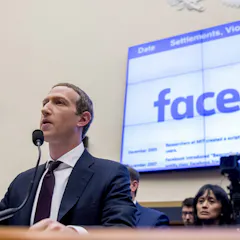
The abilities to detect and analyze deepfake videos is of the utmost urgency. Deepfakes are a serious threat to people’s security and our democratic institutions.
As our societies lose paper trails and increasingly rely on digital information, historians, and their grasps of context, will become more important than ever.

People fall for fake photos regardless of whether they seem to come from Facebook or The New York Times. What actually helps?

Students – and indeed all of us – must learn to ask questions about what stories are told, and the implications of what stories are not being told.

The role of the school library has evolved. Today’s school library goes beyond providing books. It must include teaching children digital literacy and how to critically evaluate information online.

Technology has good potential to help students learn, but it must be used appropriately to keep students moving, learning and working together.

An inexperienced senior executive may defer to inappropriate sources for advice, treating technical disagreements as personality conflicts or interference.

Despite the hype about STEM skills, research shows interpersonal, problem-solving and entrepreneurial skills will make you more employable in the 21st century.
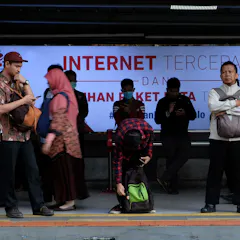
Indonesia has a lot of catching up to do to provide its people with skills, including digital literacy, to find jobs in a shifting landscape propelled by innovation in digital technology.

Dozens of voluntary researchers in nine Indonesian cities mapped digital literacy activities and they found the country needs much more to solve their digital media problems.
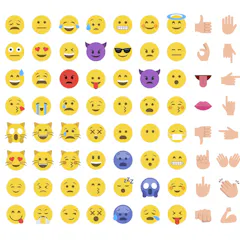
Emoji provide a living language that is representative and inclusive in ways that words can’t always be. Just be careful if you use the eggplant or peach emoji.

Researchers have found that today’s students, despite being ‘digital natives,’ have a hard time distinguishing what is real and what is fake online. Metaliteracy might provide the answers.

A large number of adult learners are going back to community colleges to acquire new skills. Are they acquiring the skills necessary for today’s technology-rich job environments?
In a report released this week, the Foundation for Young Australians claims that up to 70% of young people are currently preparing for jobs that will no longer exist in the future.
Top contributors
-

Researcher, Digital Wellbeing, Western Sydney University
-
Associate Pro-Vice-Chancellor Research Environment and Postgraduate Research, University of Liverpool
-
Associate Professor, Educational Technology, Université Laval
-
Vice Provost for Academic Programs, SUNY Empire State College
-
Professor of Reading and Children’s Development, The Open University
-
Lecturer, University of Southern Queensland
-
Distinguished Librarian, University at Albany, State University of New York
-
Professor of Literacies and Digital Cultures, Australian Catholic University
-
Professor of Education (Innovation in Schooling & Educational Technology), University of Newcastle
-
Professor, School of Education, University of Southern Queensland
-
Research Scientist in Digital Economics, CSIRO
-
Associate Professor in Education & Technology, University of KwaZulu-Natal
-
Lecturer in the School of Education, University of Newcastle
-
Adjunct Senior Lecturer, Applied Ethics and CyberSecurity, Griffith University
-
Assistant Director of the Adult Literacy Research Center, Georgia State University