
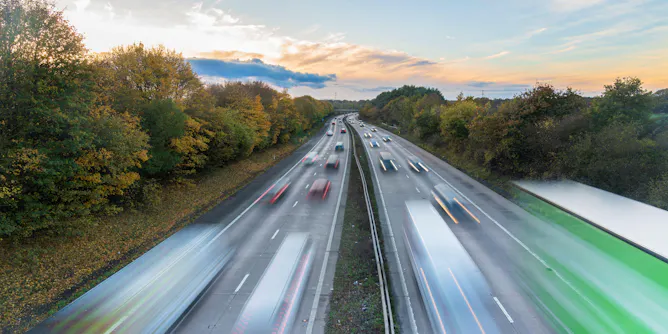
Physics suggests slower cars use less petrol. But in the real-world, fuel consumption depends on much more than aerodynamic drag.
Articles on Diesel
Displaying 1 - 20 of 69 articles
Any work to ease current shortages and price hikes while the Strait of Hormuz remains closed will take years and billions of dollars.
Seven months into the US conflict with Iran, with no clear end in sight, the global oil market has now largely exhausted the safety measures that exist to keep a lid on petroleum prices.
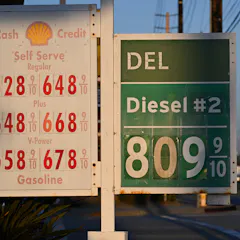
It’s a bid to alleviate cost-of-living pressures in the US and claw back Trump’s voter base.

There’s not much diesel fuel lying around, and lots of people want to buy what is available, as well as what little is produced each day. It’s all a matter of supply and demand.
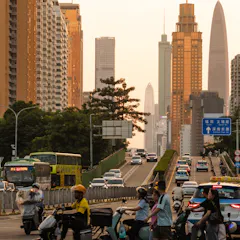
As renewed chaos grips the oil market, China is reaping the benefits of electric vehicles. But Australia’s reliance on diesel leaves it exposed.

The country, and the world, have been losing diesel refining capacity for many years and can’t just ramp up production to fill the shortages.
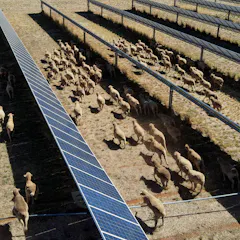
Self-reliance is important for many Australian farmers. But could farms ever become self-reliant in energy?

Tighter regulation and careful planning will ensure our public chargers actually work.
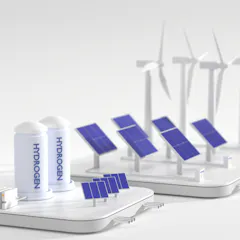
Hydrogen makes it possible to store renewable energy for longer – but has its limitations.
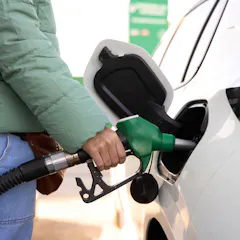
Starting yesterday, Australians are now paying 16 cents more for each litre of petrol they buy.
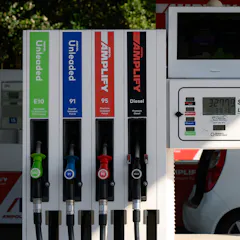
A more radical reform package would include a road user charge.

Australia could direct revenue towards electrification, not further diesel consumption.

Algae species can grow remarkably fast and produce oil able to be turned into diesel or aviation fuel.
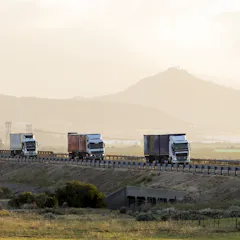
Diesel has become South Africa’s shadow infrastructure system by compensating for failures in electricity generation and freight rail.

Suspending the federal gas tax, which would require Congress to agree, would drop gas prices only about 4% – less in high-cost states like California.
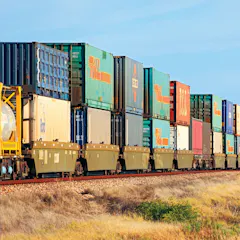
Inland Rail was meant to take 200,000 trucks a year off our roads – but it’s now been cut in half. Why is rail freight shortchanged compared to roads and city rail?

As US gas prices climb, politicians are looking at ways to lower them. An economist breaks down what does − and doesn’t − move the number on the sign at the gas station.
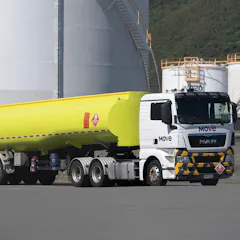
Promoting fuel saving measures as vital to energy security would help frame the oil shock as a technical problem to be solved, not a political issue to be fought.

The changes announced by the prime minister won’t help with supply and are poorly targeted.
Top contributors
-

Senior Lecturer, Electrical and Electronic Engineering, University of Southern Queensland
-
Senior Lecturer and Co-Director, Electric Vehicle Centre of Excellence (EVCE), Cardiff University
-
Senior Lecturer in Urban Planning, University of Auckland, Waipapa Taumata Rau
-
Senior Lecturer in Finance, Macquarie University
-
Assistant Professor of Economics, Georgia Institute of Technology
-
Associate Dean, School of Business and Law, Edith Cowan University
-
Senior Research Fellow, Imperial College London
-
Associate Professor in Sustainable Product Design Engineering, Loughborough University
-
Senior Lecturer in Corporate Finance, University of Bath
-
Research Associate, Institute of Coding, Coventry University
-
Research Fellow, Centre for Business in Society, Coventry University
-
Professor of Environmental Health, King's College London
-
Director of Energy Lancaster and Professor of Physical Chemistry, Lancaster University
-
Professor, Queensland University of Technology
-
Professor of Data, Systems, and Society and Atmospheric Chemistry, Massachusetts Institute of Technology (MIT)