

We cannot end TB with century-old technologies and poor quality care. It is time to reinvent the way we are managing TB, and overcome our collective failures of the imagination.
Articles on Diagnostics
Displaying 41 - 57 of 57 articles
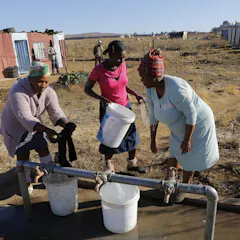
The latest World Bank report on South Africa addresses solutions to the country’s economic challenges.
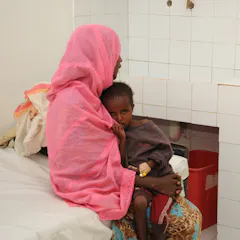
The World Health Organization has made bold progress by including many tests for non-communicable diseases on its new ‘Essential Diagnostics List.’
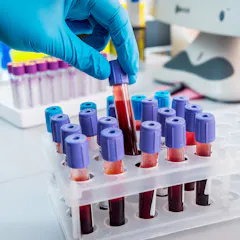
Countries globally should adopt and adapt the World Health Organization’s new Essential Diagnostics List – as a key step in the management of all diseases.

The current range of TB diagnostic tests have various limitations like the sputum smear which is outdated, clumsy and takes long to process.
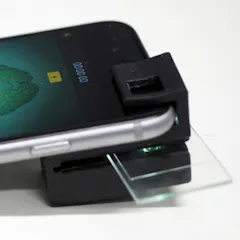
Even though you don’t think of your mobile phone as being anything like a microscope, it’s got almost all the parts you need.
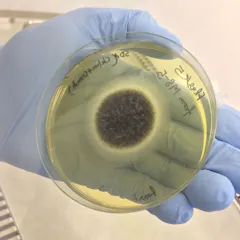
When it comes to fighting antimicrobial resistance, most of the focus is on bacteria. But we’d be foolish to forget about fungi.
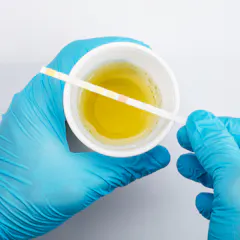
If you’re not sure why you need a urine test or the right way to collect a sample, here’s what you need to know.

Public health experts enlist the molecular biology tools that create genetically modified organisms – as well as the GMOs themselves – in the fight against emerging infectious diseases.

Developments in miniaturisation can give us point-of-care tests for grave conditions such as cancer and heart disease.

Labor’s shadow health minister Catherine King, said that the government has “cut bulk-billing payments for pathology and diagnostic imaging to make patients pay more”. Is that right?
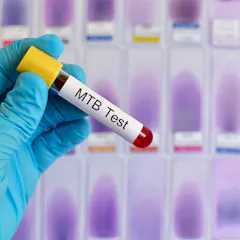
African scientists have developed and patented a test for TB that overcomes two major challenges with current methods: it delivers quick results and is much cheaper.

Theranos has had medical laboratory experts scratching their heads for some time. What the company was promising just didn’t make a lot of sense.
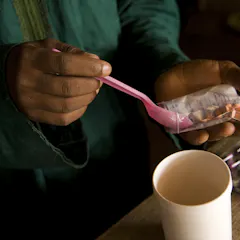
Despite tests which rapidly test for malaria being around for several years, overtreatment of malarial drugs still takes place in Africa.
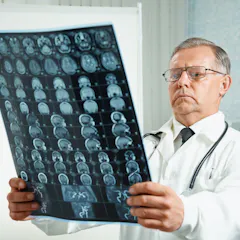
Humans can only do so much when it comes to diagnosing what’s wrong with a patient. So why not let machines take over? They learn faster than humans and never retire.
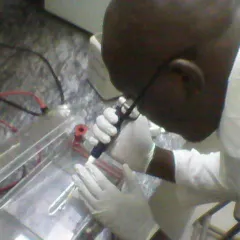
Unless African governments put their money where their mouths are, innovative advances from young scientists on the continent will be stifled.
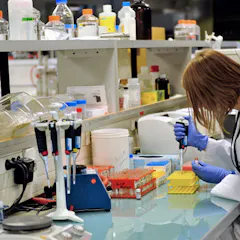
While the extent of the problem is unclear, we know that hospitals doctors overuse diagnostic tests. Involving patients in decision-making may be one of the best options for improving the situation.
Top contributors
-

Canada Research Chair of Epidemiology & Global Health, McGill University
-
Emeritus Associate Professor in Public Law, UCT. Visiting Adjunct Professor, WITS School of Governance; Director, Africa Programme, University of Cambridge Institute for Sustainability Leadership, University of Cambridge
-
Professor of Orthopaedic Research, Queensland University of Technology
-
Senior Lecturer in Psychology, The University of Melbourne
-
Lecturer in Chemical Engineering, Loughborough University
-
Researcher, Birla Institute of Technology and Science
-
Associate Professor, Dept of Medicine, Monash University, Monash University
-
Lecturer, Mbarara University of Science and Technology
-
Professor Emeritus of Chemical and Biological Engineering, Biomedical Engineering, and Public Health, Colorado State University
-
Assistant Professor of Pediatrics, McGill University
-
Head of the Centre of Excellence for Biomedical TB Research, University of the Witwatersrand
-
Associate Professor of Dermatology, University of California, San Francisco
-
Associate Professor of Medical Laboratory Science, Rush University
-
Epidemiologist, National Institute for Communicable Diseases
-
Associate Professor, Cape Peninsula University of Technology