

When children work on their school assignments, unknown to them, the software they use is busy collecting data. These data are then used for individualized marketing of junk foods and other products.
Articles on Diabetes
Displaying 341 - 360 of 470 articles

We are seeing increasing numbers of young, slim children with type 2 diabetes. This means obesity and lifestyle factors may not be the whole story behind the disease’s rising rates.

Diabetes afflicts nearly 30 million people in the U.S., but 86 million more are pre-diabetic. There are effective ways to screen those people, too – and it isn’t all about fat.

People ending up in hospital for diabetes, tooth decay, or other conditions that should be treatable or manageable out of hospital is a warning sign of system failure.

This infographic provides a snapshot of children’s health in Australia, from mortality and chronic conditions to the risk factors adversely affecting our children’s health.

Almost three in four Australian children consume too much sugar, 91.5% of young people don’t get enough exercise, and we’re among the most obese people in the world.

Genomic research must take place in Africa because African populations have evolved significantly and their genetic composition is more diverse than that of populations elsewhere.

Diabetes is a leading cause of death as well as of heart attacks, strokes, amputations, kidney failure, depression and severe infections – all of which themselves contribute to premature death.

Arguing about the pros and cons of fat in our diet takes the focus away from the real nutritional demon: processed foods.

In many rural areas, poor people are suffering from malnutrition, which takes the form of stunting and obesity. To change this, their food environments must change.

If you’re an average-sized adult eating and drinking enough to maintain a healthy body weight, you should consume no more than 12 teaspoons of sugar per day.

New breakthrough in how to test proteins linked to touch and movement could have major implications for strokes, diabetes, spinal injuries and much more.

Non-communicable diseases are skyrocketing in Kenya and Uganda. Though the countries’ governments have a responsibility to tackle the problem, individuals need to take action too.

It’s time for Australia to follow the UK’s lead and increase the price of sugary drinks.

Diabetes has become a massive global problem and requires a dedicated effort in both the developed and the developing world.

The creation of new “pre-conditions” is turning millions of people into patients across the globe.

Living with a chronic disease is hard work. Today the federal government announced its intention to “revolutionise” the way chronic diseases and complex conditions are cared for.

Patients with chronic illness need support and encouragement to take their medications. SMS messaging is a simple, cheap and seemingly effective way to keep them on track.

George’s medicine for health crisis is welcome, but not marvellous.
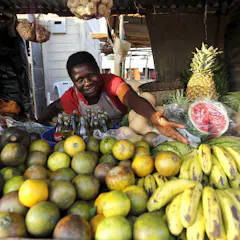
Residents in Nairobi’s urban slums are opting for fast food rather than the healthy alternatives, which is increasing their risk of developing diabetes.
Top contributors
-

Professor and Programme Director, SA MRC Centre for Health Economics and Decision Science - PRICELESS SA (Priority Cost Effective Lessons in Systems Strengthening South Africa), University of the Witwatersrand
-
Chairperson, Diabetes Alliance; Co-founder, Diabetes Research Centre, University of Pretoria
-
Head of Diabetes Clinics, Baker Heart and Diabetes Institute
-
Laureate Professor in Nutrition and Dietetics, University of Newcastle
-
Professor (Hon) at Monash University, Baker Heart and Diabetes Institute
-
Professor of Medicine, Monash University
-
Professor of Public Health Policy, Deakin University
-
Assistant Professor of Health Promotion and Policy, UMass Amherst
-
Associate Professor and Director of the SAMRC/Wits Centre for Health Economics and Decision Science - PRICELESS SA (Priority Cost Effective Lessons in Systems Strengthening South Africa), University of the Witwatersrand
-
Associate Professor, Health Sciences, University of Waikato
-
Professor of Community Health and Wellbeing, The University of Queensland
-
Accredited Practising Dietitian and Lecturer, Southern Cross University
-
Honorary Associate Professor, University of Leicester
-
General Practitioner, PhD Candidate, Bond University
-
Project Head, Tshwane Insulin Project, University of Pretoria