
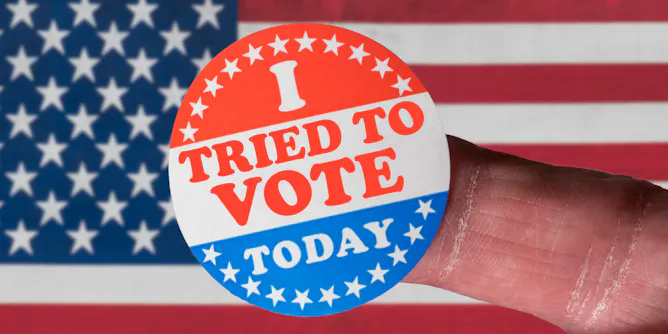
An armed voter suppression campaign in New Jersey in 1981 finds echoes today in the Trump administration’s persistent efforts to suppress the vote and undermine trust in elections nationwide.
Articles on Department of Justice
Displaying 1 - 20 of 89 articles
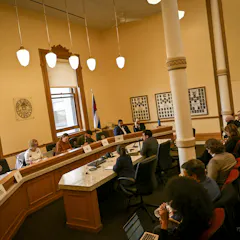
Colorado watered down its AI legislation but may still face litigation from the Department of Justice.

Philadelphia police revoked the carry licenses of five members of the Black Lion Party for International Solidarity, citing ‘good cause.’ Is that constitutional?
More than 10,000 attorneys who worked for the US government have left their jobs during the second Trump administration; a former federal judge analyzes the impact of that exodus.
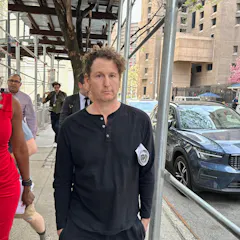
The responsibility for policing nonprofits generally falls to state attorneys general, rather than federal authorities.

The Judgment Fund’s likely use as a slush fund to pay Trump allies comes after more than a decade of repeated warnings by one scholar that the pot of taxpayer money was vulnerable to political misuse.

Donald Trump’s suit against the IRS and the settlement creating a $1.776 billion Anti-Weaponization Fund to compensate his allies raise important moral and constitutional issues.
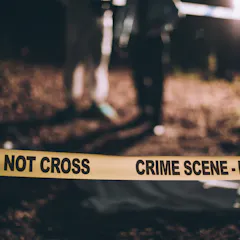
A historic drop in violent crime, including the murder rate, is at risk after the cancellation of federal funding for programs that helped make the decline possible.
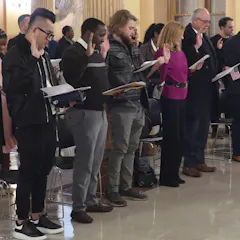
Denaturalization risks becoming a tool of political control, creating a permanent vulnerability for more than 20 million naturalized Americans.
Presidential records are the public’s property. The Justice Department wants to change that and revert to a time when presidents could do what they wanted with their papers, including burning them.
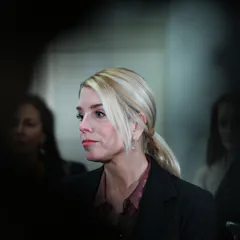
The combined political and legal roles and responsibilities of the US attorney general can create conflicts. Some attorneys general yielded to political pressure from the president – many did not.
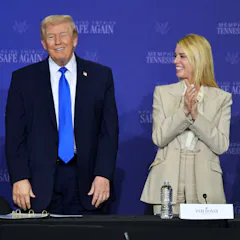
It’s not unusual for presidents to select attorneys general who share their views and policy preferences. But Trump has gone far beyond what is usually done.

A lack of transparency at both the federal and state level is making it increasingly difficult for journalists and citizens to hold government to account.
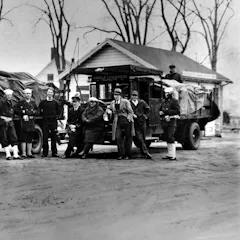
Both Prohibition and current mass deportation efforts were hastily built, staffed by people permitted to use force, and had difficult objectives to achieve.
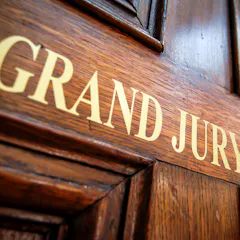
Grand juries, historically rubber stamps for prosecutors’ attempts to indict, are rejecting the Trump administration’s moves to indict the president’s perceived enemies. That’s unprecedented.
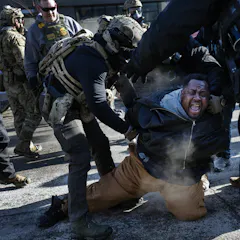
In Minnesota, can constitutional protections withstand the actions of a federal government seemingly intent on aggressively violating the rule of law?
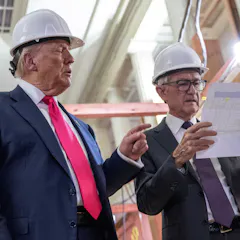
The investigation follows Fed Chair Jerome Powell’s refusal to toe the White House’s line over interest rate cuts.

A university president who’s a former federal judge looks at the rule of law and the Trump administration’s first year, concluding the president ‘simply lacks respect for our system of justice.’
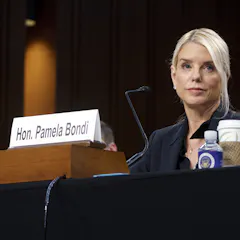
The US president’s critics say he is using the justice deparment to persecute his political enemies.
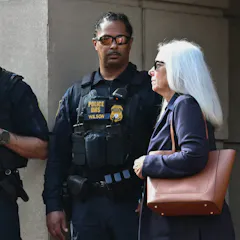
Is former FBI Director James Comey’s attempt to get his prosecution thrown out a legal slam-dunk? It may look like that to the public, but it’s not.
Top contributors
-

President, Dickinson College
-
Professor of Criminal Law, Immigration, and Race and Law, University of California, Davis
-
Professor of Law and Director of the Center for Professional Ethics, Case Western Reserve University
-
William Nelson Cromwell Professor of Jurisprudence and Political Science, Amherst College
-
Professor of law, Washington University in St. Louis
-
Associate Professor of Political Science, Westminster College
-
Professor of law and ethics, Georgia State University
-
Distinguished Fellow in Law and Government, Dickinson Law, Penn State
-
Associate Professor of Law, Arizona State University
-
Professor of History, Penn State
-
Associate Professor of Political Science, College of Charleston
-
Co-Director, National Security and Civil Rights Program, Loyola University Chicago
-
David W. Ichel Distinguished Professor of Law, Duke University; Institute for Humane Studies
-
Distinguished Practitioner in Residence, Loyola University Chicago
-
Professor of Law, Hofstra University