
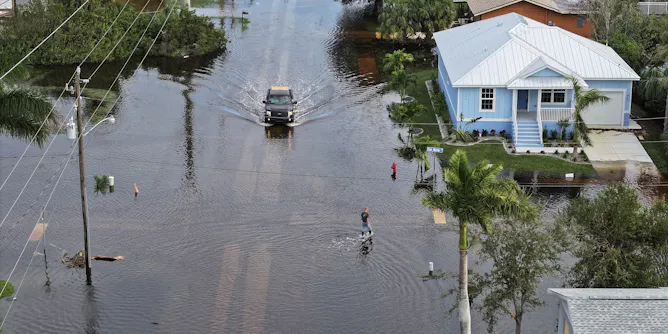
Real skeptics study the evidence and ask questions, rather than taking political dogma on faith. Experiencing disasters can open more eyes to the risks.
Articles on Denial
Displaying 1 - 20 of 26 articles

Terror management theory explores the lengths our minds will go to to deny existential threats. Psychologists explain what that can mean for climate denial.
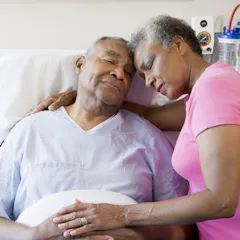
Patients with incurable cancer want to be informed about their disease and its treatment, but must also maintain hope. This inner conflict can affect how they process information about their prognosis.
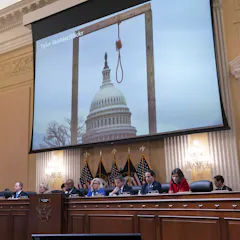
There are genuine political disagreements, and then there are time-worn strategies for selling denial to the public. A sociologist breaks down the patterns.

‘Stresslaxation’ may be a new term, but many people can relate to feeling stressed and anxious when trying to unwind.
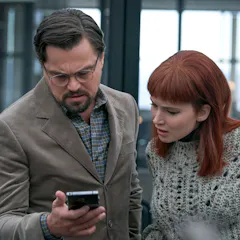
Just because something isn’t 100% certain doesn’t mean you ignore it, and other lessons from two researchers who study the problem of science denial.

Transcripts and internal documents show how the industry shifted from leading research into fossil fuels’ effect on the climate to sowing doubt about science.
People tend to interpret things through a lens of their pre-existing beliefs. But they are not immune to changing their view, if you treat them with respect and understanding.
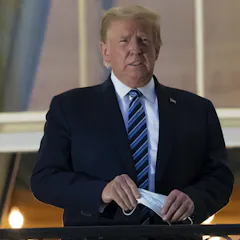
Research and a recent campaign rally show how political leaders’ rhetoric can shape risk perceptions among their loyal followers.
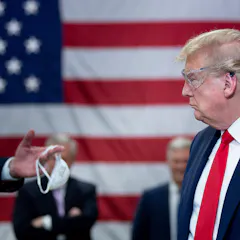
The purveyors of these myths, including politicians who have been soft peddling the impact of the coronavirus, aren’t doing the country any favors.
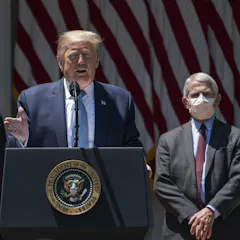
Whether in situations relating to scientific consensus, economic history or current political events, denialism has its roots in what psychologists call ‘motivated reasoning.’

Grief encompasses our emotional responses to change and loss, and children’s grief might be expressed in what psychiatrist Elisabeth Kübler-Ross described as the five common stages of grief.
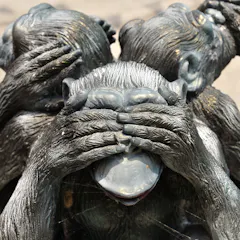
Whether in situations relating to scientific consensus, economic history or current political events, denialism has its roots in what psychologists call ‘motivated reasoning.’

‘The Lion King’ illustrates how a child moves through five stages of grief with the support of loving friends, family and community.

Calling all people who don’t agree with climate science “deniers” is neither accurate nor helpful.

Melting ice caps, burning forests – the climate disaster future is increasingly the present.

Dealing with a co-worker or manager who says demonstrably false things can be a challenge, particularly at holiday office parties. Here’s a guide to handle a colleague in denial.

Why assembling two teams to debate climate change is all about political spectacle and sowing doubt – and has nothing to do with actual climate science.
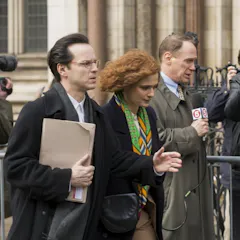
The new film Denial chronicles Holocaust denier David Irving’s 2000 legal action against US historian Deborah Lipstadt.
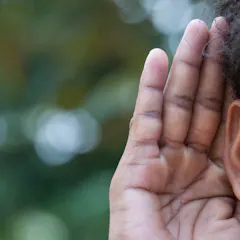
Modern science can be difficult or complex for one person to understand and verify, especially a non-scientist. So who should we believe when scientific evidence is met with denial?
Top contributors
-

Senior Lecturer in Philosophy and Education; Curriculum Director, UQ Critical Thinking Project, The University of Queensland
-
Associate Head of Early Childhood Studies, University of Guelph-Humber
-
Professor of Philosophy, Wake Forest University
-
Assistant Professor of History of Behavioral Science, The Ohio State University
-
Professor of Psychology, The University of Melbourne
-
Adjunct Research Fellow, Te Herenga Waka — Victoria University of Wellington
-
Professor of Personality Psychology, The University of Melbourne
-
Professor Emeritus of Climate and Space Sciences and Engineering, University of Michigan
-
Senior Research Fellow, Melbourne School of Psychological Sciences, The University of Melbourne
-
Associate Teaching Fellow, Deakin University
-
Associate Professor of Geography, University of Alabama
-
Director of Health Policy, USC Schaeffer Center, and Associate Professor, University of Southern California
-
Adjuct Faculty University of Guelph, Former Chair, Early Childhood Studies and Founder of The Love Model Inc.
-
Professor of Economics and Environmental Studies, Wesleyan University
-
Professor Emeritus of Oncology and Public Health Sciences, Queen's University, Ontario