

The historic conviction of Oath Keepers founder Stewart Rhodes and one other co-defendant for seditious conspiracy has implications for free speech and the future of the militia movement in the US.
Articles on Defamation
Displaying 41 - 60 of 104 articles

Parental alienation is a recurring problem that affects many families who are experiencing high conflict, separation and divorce.

I’m certain this case will continue to be discussed in the media and academia and will continue to shape society’s understanding of the complexities of intimate partner violence.

Reform is needed to better balance the protection of men’s individual reputations with the rights of women to speak about their experiences.
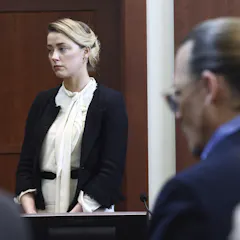
What appears to be normal social media activity exposes a much darker reality: fan culture often leads to deeply harmful conversations shaping how people address and redress violence.

The government’s plan to make social media companies hand over trolls’ details aims to make it easier for victims to sue their harassers for defamation. But this conflates two very different concepts.

Calls to reveal the true identities of social media users won’t make the internet safer without deeper reform of online platforms.

Alex Jones lost a defamation suit by Sandy Hook parents for falsely claiming they helped fake the murders of their children. But the judgment doesn’t deal with important First Amendment questions.
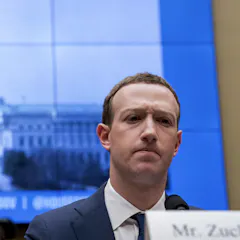
Holding social media companies to account for harmful content on their sites is legally difficult, due to two US laws that protects them from defamation penalties internationally.

Today’s ruling may inspire many social media account managers to more tightly restrict comments — or, where possible, switch them off completely.

Recent changes to defamation laws may give political commentators more room to manoeuvre, but up-and-coming satirists will still face challenges to safely practice their craft.

Critics say only links to real or threatened violence should justify the proposed criminalisation of hate speech. But New Zealand law already regulates all kinds of non-violent speech.

Anti-SLAPP laws are useful, and we need more of them across the country. They allow certain lawsuits to be dismissed at an early stage if they relate to public interest speech.
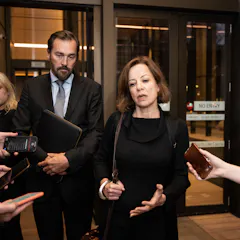
In walking away from his defamation action against the ABC, cabinet minister Christian Porter has opened a fresh round in the battle over the allegation of historical rape against him by a now-deceased woman.
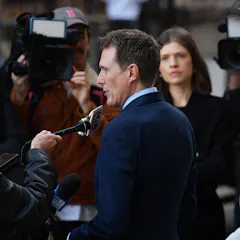
Christian Porter has settled in his defamation case against the ABC and reporter Louise Milligan
It’s gospel for First Amendment advocates that lawsuits against news organizations chill freedom of the press. But in an era of rampant misinformation, such legal actions may be more accepted.
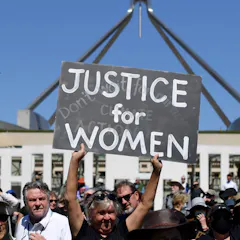
Christian Porter on Monday gave notice that he’s determined to stage a fightback, however damaged his ministerial career might appear at the moment.
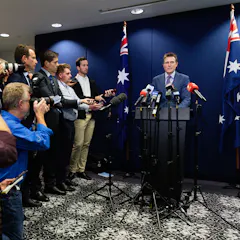
Porter claims even though he wasn’t named in the ABC article, he was easily identifiable to many Australians. For the ABC, the defences to defamation are notoriously difficult to establish.

Attorney-General Christian Porter has commenced defamation proceedings in the Federal Court against the ABC and journalist Louise Milligan.

The media treated the rape allegation against Porter as a political story and watched it play out in the political process — without identifying the attorney-general.
Top contributors
-

Senior Lecturer in Law, The University of Western Australia
-
Professor of Law, University of Sydney
-
Emeritus Professor in Law and Criminal Justice, Adelaide University
-
Professorial Fellow, University of Canberra
-
Lecturer in Law & Justice, UNSW
-
Senior Research Fellow, Centre for Advancing Journalism, The University of Melbourne
-
Professor of Journalism, The University of Melbourne
-
Lecturer in Law, Edinburgh Napier University
-
Associate Professor, Melbourne Law School, The University of Melbourne
-
Senior Lecturer, The University of Melbourne
-
Associate Professor, Faculty of Law, University of Technology Sydney
-
Associate Professor of Clinical Communication, The Ohio State University
-
Associate Professor in Criminal Law and Criminal Justice, Adelaide University
-
PhD candidate in French and History, University of Nottingham
-
Associate Dean (Academic) and Professor of Political Science, College of Social & Applied Human Sciences, Department of Political Science, University of Guelph