

In 1886, a Victorian judge deplored the disregard given to women’s rights in cases of sexual slander. Today, women are still fighting to protect their reputations and tell their stories.
Articles on Defamation
Displaying 61 - 80 of 104 articles
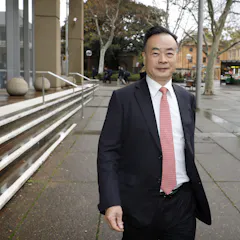
Journalists need to have the facts to support not just what they say explicitly, but what their work implies.

The ins and outs of a fiercely contested defamation case.
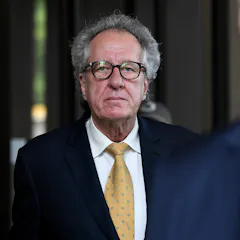
The Federal Court decision wasn’t a surprise but raises questions about the way we handle sexual harassment in the legal system.
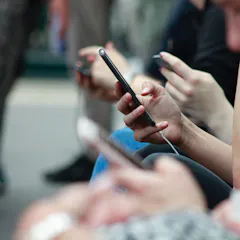
The NSW Court of Appeal’s Dylan Voller decision means the media may be liable for the hurtful things users write on social pages. This will have many media companies in a panic.

The Australian Press Council’s ruling suggests an exemption for ‘entertainment magazines’ from the standard of factual reporting. This ruling has no basis in Australian defamation law.

Media freedom is good, but absolute media freedom could lead to a nastier, more brutish public discourse.
Defamation law reform is on the horizon. Social media companies may be held more liable for what they publish. But this could come at the expense of everyday users.
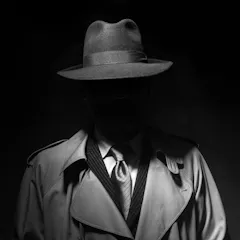
South Africans seem to be fascinated with the way in which spying is entwined in the country’s politics.

Australia’s latest defamation ruling has made Facebook publishing a minefield, but there are strategies to ensure better social media outcomes for everyone.
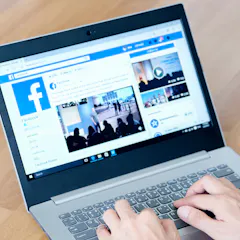
Journalists are not happy about a decision of the Supreme Court of New South Wales finding that media companies could be liable for defamatory comments made under news stories on their Facebook pages.
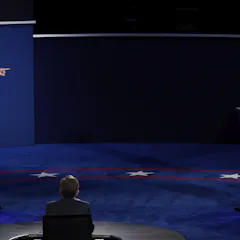
Amid all the Mueller report uncertainty, one thing is clear: Donald Trump did some wildly improper things to win the presidency. So did Thomas Jefferson, Andrew Jackson, JFK and George W. Bush.
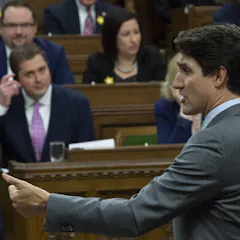
Politicians threatening to sue each other is not unusual in Canada, but the lawsuits seldom make it to court.
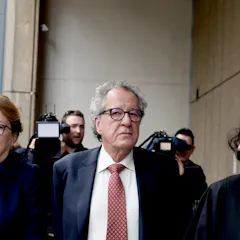
The judgement is a personal and legal vindication for the actor, but it may have unintended side effects for the #MeToo movement and the reporting of sexual harassment allegations.
Pell trial reporters, a judge and a media lawyer on why the suppression order debate is far from over
The Conversation, CC BY79.9 MB (download)
On the day George Pell was sentenced, several experts with wide-ranging experiences of suppression orders discussed how they affect the public’s right to know and whether the laws should be reformed.
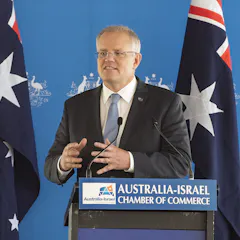
When the media genuinely behave badly, this should be called out by politicians. But doing so through the courts is not a good idea, nor conducive to democracy.
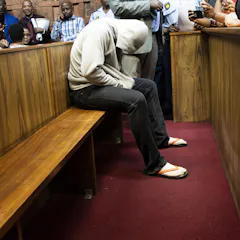
Social media presents new challenges in sensitive cases but media houses must stick to the law.
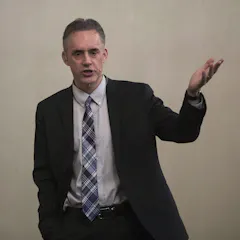
Jordan Peterson’s lawsuit against Laurier is hardly the action of a free speech advocate. Here’s how he resembles Cleon of ancient Greece.
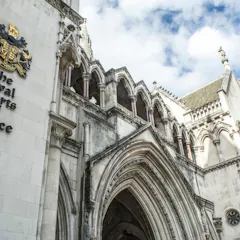
Twitter posts and messages on WhatsApp can come back to haunt you, even years later.
Google has lost a High Court appeal in defamation litigation brought by Michael Trkulja. It is time to consider that extending “safe harbour” to Google may be a good idea.
Top contributors
-

Senior Lecturer in Law, The University of Western Australia
-
Professor of Law, University of Sydney
-
Emeritus Professor in Law and Criminal Justice, Adelaide University
-
Professorial Fellow, University of Canberra
-
Lecturer in Law & Justice, UNSW
-
Senior Research Fellow, Centre for Advancing Journalism, The University of Melbourne
-
Professor of Journalism, The University of Melbourne
-
Lecturer in Law, Edinburgh Napier University
-
Associate Professor, Melbourne Law School, The University of Melbourne
-
Senior Lecturer, The University of Melbourne
-
Associate Professor, Faculty of Law, University of Technology Sydney
-
Associate Professor of Clinical Communication, The Ohio State University
-
Associate Professor in Criminal Law and Criminal Justice, Adelaide University
-
PhD candidate in French and History, University of Nottingham
-
Associate Dean (Academic) and Professor of Political Science, College of Social & Applied Human Sciences, Department of Political Science, University of Guelph