

Calls to “indigenize” universities must start with listening - to Indigenous scholars and nations. And real reparation will be painful for settlers, for it will be unsettling.
Articles on Decolonisation
Displaying 121 - 140 of 183 articles
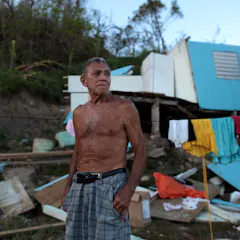
Puerto Rico has focused significant efforts on branding – but at what cost?

Khanya College’s curriculum was quite different from the one taught at other universities of the time. Its students studied oral African literature and history alongside Western literature.

French is no longer taught as a European language representative of “French” culture in South Africa. New modes of teaching, learning and research speak to an inclusive Africanist agenda.

Universities play a major role in procuring the human and intellectual resources needed for fulfilling the various goals of the UN’s Agenda 2030.

The process of decolonising research methodology is an ethical, ontological and political exercise rather than simply one of approach and ways of producing knowledge.

Island philosophies can be used to decolonise university courses and teaching. They can also advance sustainable development models and, ultimately, achieve responsible tourism.
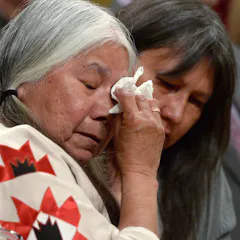
“What have we failed to know and at what cost?” An education professor draws upon Indigenous literature to support a personal journey into classroom decolonization.

The word Squ-w has an innocent origin, but its use in English has long been derogatory and racist. Place names which use this word should be changed.

One First Nations community stands out in northern Ontario, for its low rates of suicide and other mental health challenges. The residents say it’s all about their connection to the land.
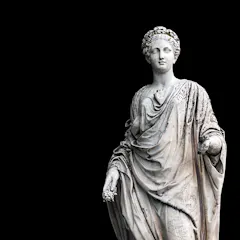
The Greco-Roman society believed that people weren’t born human, they became human. But how can humanity be defined?That’s what the project of decolonising the humanities could be dedicated to.

Critical decolonisation means accepting risk of error. It means considering whether indigenous knowledge systems might contain truths that western science hasn’t accessed.

Phrases like “knowledge production” conceal the fact that knowledge answers to something beyond itself and beyond us. To produce knowledge is to find out about something.
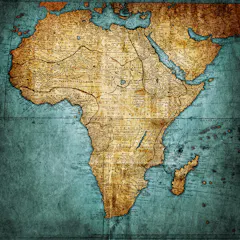
It’s important to shift educational discourse in and around Africa in a more equitable, representative direction.
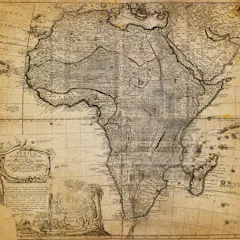
A global approach to African history complements the radical post-colonial histories, while also asserting the role of the continent in the world’s global pasts and present.

Most other African countries have a less fractious or problematic relationship to Shakespeare than South Africa does.

There are other ways to conduct meetings and present lectures. Could adopting, adapting or even just understanding more about these help universities to release colonialism’s grip on their practices?

There’s no doubt South African universities need to undergo a real shift. But are the country’s current intellectual and academic forces up to the task?

One of the ways by which Africa can overcome problems of underdevelopment is by using its abundant linguistic and cultural resources.

It’s important that South African teachers, lecturers and professors develop curricula that build on the best knowledge skills, values, beliefs and habits from around the world.
Top contributors
-

Professor, University of Cape Town
-
Extraordinary Professor, Department of Political Sciences, University of Pretoria
-
Academic Staff Development Lecturer, Centre for Higher Education Development, University of Cape Town
-
Associate Professor, School of Education, Aarhus University
-
Research Fellow at the University of the Free State, South Africa and Assistant Professor in the History of International Relations, Utrecht University
-
Associate Professor Sport History, Stellenbosch University
-
Founder of Msit No’kmaq
-
Associate Professor, Graduate School of Business, University of Cape Town
-
Distinguished Professor of Curriculum Studies, Stellenbosch University
-
Lecturer in South Asian History, University of Reading
-
Associate Professor, University of Cape Town
-
Professor and Chair of Epistemologies of the Global South, University of Bareuth, Germany, University of South Africa
-
Associate Professor, Department of Literary Studies in English, Rhodes University
-
Professor of Philosophy of Science, Durham University
-
Professor of English Language Teaching and Literacy Development, Rhodes University