
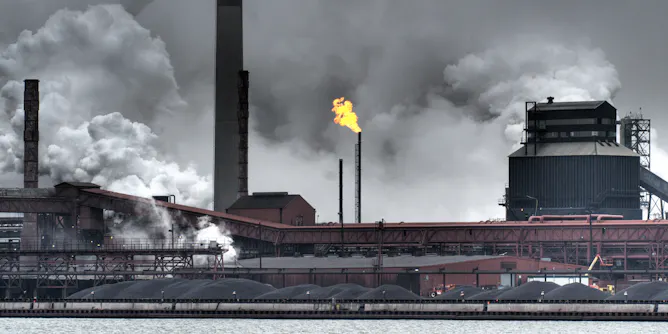
Carbon capture technologies have been labelled as a distraction. But as we enter the all-hands-on-deck phase of tackling climate change, they must not be ignored.
Articles on Decarbonization
Displaying 21 - 40 of 71 articles

Canada has neglected to keep up with China’s climate politics, putting the future of the country’s fossil fuel exports at risk.

The recent climate conference in Glasgow, Scotland, shows that climate change deniers have shifted their tactics to thwart the efforts of countries to phase out fossil fuel use.
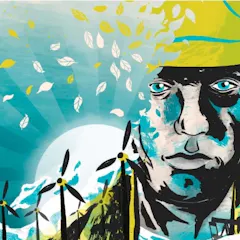
If Canada chooses to keep its oil in the ground, it doesn’t mean turning off the tap overnight. Skilled trades will be key to winding down the industry and building up new lines of work.
The goal of carbon neutrality changes everything. Canada can no longer limit itself to solutions that partially reduce emissions here and there. The chosen solution must be zero emissions.
While the outcome of the 2021 federal election offered little in the way of change, it may have left Canada better positioned to make progress on reducing greenhouse gas emissions.
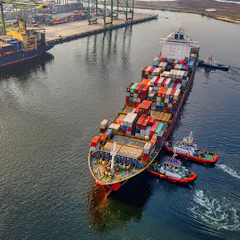
If shipping were a country, it would rank between Japan and Germany as the sixth-largest contributor to global carbon dioxide emissions.
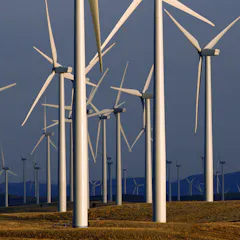
Fifteen years ago electric power generation was the largest source of US greenhouse gas emissions. Now the power sector is leading the shift to a clean energy economy.
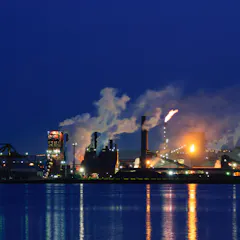
Bill C-12 is a step in the right direction, but its not enough to meet Canada’s goal for a decarbonized economy.
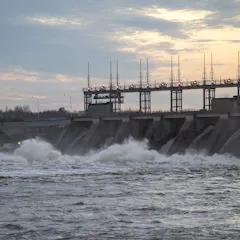
The electricity sector is expected to play a key role in Canada’s push to net-zero emissions. Enhancing long-distance transmission can be lower the cost of providing clean and reliable electricity.
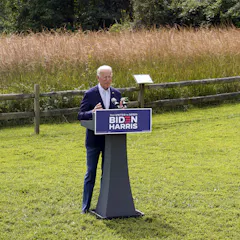
Biden’s strong climate change position doesn’t appear to have hurt him in the key swing state of Pennsylvania or in the general election more broadly. Here’s what it means for Canada.

Some speculated that voters in Pennsylvania, Ohio, Colorado and Texas would vote against Joe Biden because of his plans to phase out fossil fuels.
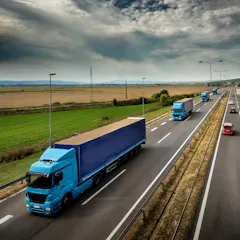
Electric vehicles can have a positive impact on the climate and air pollution levels, but governments should rethink how they electrify the transportation network.

To reverse the current climate and ecological crises, governments must put an end to the damaging forms of technology, innovation, investments and incentives that contribute to it.
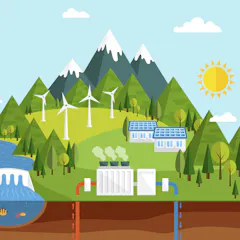
The oil and gas industry was in trouble before the pandemic hit, but now it faces potential collapse. A majority of Canadians want the federal government to invest in a ‘green recovery.’

New lightweight, efficient and ultra-thin solar technologies show promise, but it may be too soon to abandon conventional solar photovoltaics.
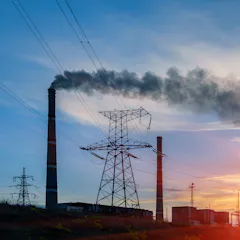
Due to inefficiencies in global energy systems, energy falls short of even making it to the consumer, often lost in the form of waste heat.

Who wins, who loses and whose natures are being talked about when nature-based solutions are proposed?

The costs, and the pain, of climate change only increase the longer we wait to act.

Decarbonizing the global economy would help the climate change problem – but also many others. Would putting all those additional co-benefits center stage help drum up support for climate action?
Top contributors
-

Associate Professor, School of Professional Communication, Toronto Metropolitan University
-
Professor, Environmental and Urban Change, York University, Canada
-
Adjunct professor, Environment and Sustainability, University of Saskatchewan
-
Directeur de l’Institut de l’énergie Trottier, Polytechnique Montréal et Professeur de physique, Université de Montréal
-
Assistant Professor, Department of Political Science, McGill University
-
Research Analyst in Sustainable Communities, University of California, Los Angeles
-
Guest Lecturer, Climate Change Economics, University of Oxford & Director, Climate and Sustainability Programme, ODI Global
-
Research Scientist, The University of Texas at Austin
-
Research Associate, Luxembourg Institute of Science and Technology (LIST)
-
Professor and Impact Chair in Transformative Governance for Planetary Health, School of Public Administration, University of Victoria
-
Professor of Energy and Environmental Economics and International Affairs, Penn State
-
Professeur en philosophie sociale et politique, épistémologie et histoire des sciences et techniques, Institut Mines-Télécom Business School
-
Honorary Research Fellow, The University of Western Australia
-
Research Project Assistant, University of Vermont
-
Professor in Industrial Ecology, University of California, Santa Barbara