

Phasing out fossils fuels would go a long way to stopping dangerous climate change – but it might be harder than we thought.
Articles on Decarbonization
Displaying 61 - 71 of 71 articles

From an economic point of view, low-carbon plans in rapidly urbanising areas can have massive benefits for East African cities.

American consumers just aren’t prioritizing fuel efficiency in a time of low gasoline prices. Is there a way to reverse the trend and make progress on climate change?
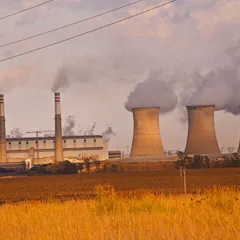
The process of decarbonisation is a complex one for South Africa, as most its power supply comes from coal.

The next president will have little power to slow the growth of renewable energy, sliding oil prices or coal’s decline.

Global warming is often seen as a problem for future generations, but focusing on the immediate – and substantial – health benefits of clean energy can change public perception of climate change.
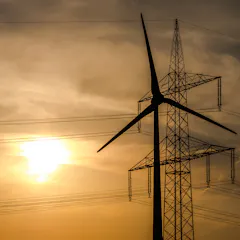
The U.S. could dramatically increase solar and wind power without expensive energy storage. The key is to overlay high-voltage direct current power lines on our system of regional grids.
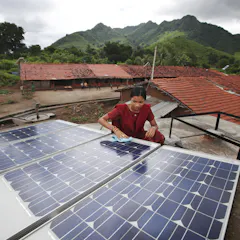
Developing countries need technical and financial aid to begin the transition to low-carbon energy now, not just pledges to invest in energy R&D with payoffs decades from now.
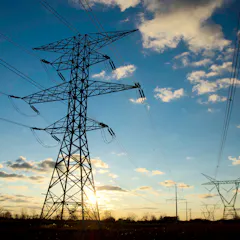
Dealing with climate change will require countries to ‘decarbonize’ their energy infrastructure. The history of infrastructure suggests this could happen quickly once the transition starts.
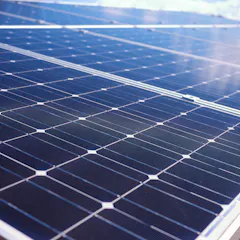
Many utilities see rooftop solar as a threat, but solar power can actually lower the cost of power they – and their consumers – need to pay during hours of high demand.
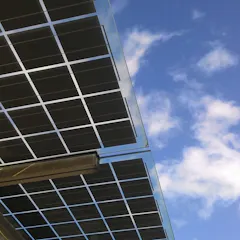
The University of California intends to be carbon-neutral by 2025 by implementing existing technologies and focusing on public education. Is this a model for decarbonizing at large scale?
Top contributors
-

Associate Professor, School of Professional Communication, Toronto Metropolitan University
-
Professor, Environmental and Urban Change, York University, Canada
-
Adjunct professor, Environment and Sustainability, University of Saskatchewan
-
Directeur de l’Institut de l’énergie Trottier, Polytechnique Montréal et Professeur de physique, Université de Montréal
-
Assistant Professor, Department of Political Science, McGill University
-
Research Analyst in Sustainable Communities, University of California, Los Angeles
-
Guest Lecturer, Climate Change Economics, University of Oxford & Director, Climate and Sustainability Programme, ODI Global
-
Research Scientist, The University of Texas at Austin
-
Research Associate, Luxembourg Institute of Science and Technology (LIST)
-
Professor and Impact Chair in Transformative Governance for Planetary Health, School of Public Administration, University of Victoria
-
Professor of Energy and Environmental Economics and International Affairs, Penn State
-
Professeur en philosophie sociale et politique, épistémologie et histoire des sciences et techniques, Institut Mines-Télécom Business School
-
Honorary Research Fellow, The University of Western Australia
-
Research Project Assistant, University of Vermont
-
Professor in Industrial Ecology, University of California, Santa Barbara