

Winter doesn’t have to be a season we simply endure. With intention and a evidence-based practices, it can become a time of meaning, connection and even joy.
Articles on Daylight Saving Time health risks
Displaying all articles

Folklore suggests that a full moon has a strong effect on sleep. But the reality is more complex, and lifestyle habits like screen use before bedtime are likely to have a larger effect.
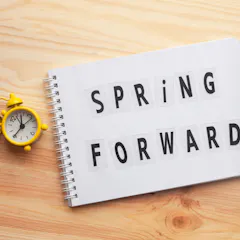
Americans have long been divided over adopting permanent standard versus permanent daylight saving time. But support for permanent standard time grew dramatically between 2021 and 2024.
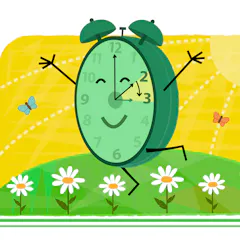
Americans are divided on their preference for daylight saving time versus standard time. But research shows that our bodies fare better when aligned with the natural light of standard time.

Adolescent biology, early morning classes and too much evening screen time are a few of the key drivers behind teen sleep deprivation.

Two sleep doctors offer some survival tips to help you adjust to losing that hour of sleep as clocks spring forward into daylight saving time.
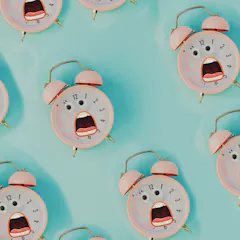
By altering the body’s internal clock, ‘springing forward’ may contribute to an increase in heart attacks and strokes.
Top contributors
-

Professor of Neurology and Pediatrics, Vanderbilt University
-
Co-Director Pediatric Sleep Evaluation Center and Associate Professor of Pediatrics, University of Pittsburgh
-
Director of the Pediatric Sleep Evaluation Center, UPMC Children’s Hospital of Pittsburgh, University of Pittsburgh
-
Professor of Biology, University of Washington
-
Associate Professor of Neurology, University of Pittsburgh
-
Assistant Professor, Social Work, Mount Royal University