
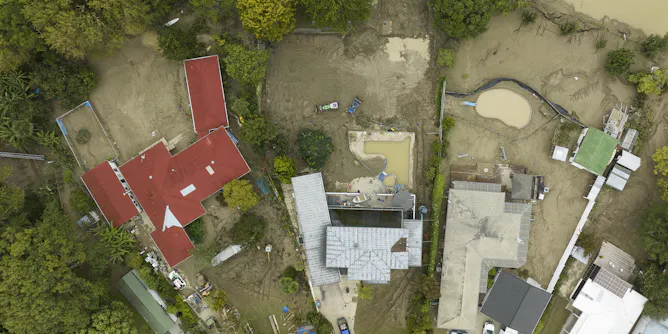
Disasters don’t follow a script. Research shows adaptable relationships between emergency agencies are vital to an effective response.
Articles on Cyclone Gabrielle
Displaying 1 - 20 of 29 articles
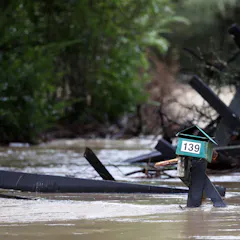
New research shows successive NZ governments keep opting for expensive short-term fixes after floods and other disasters. But there are two other choices available.
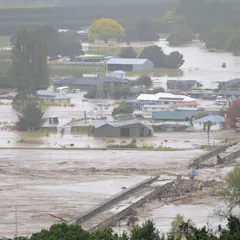
Despite thousands of kilometres of coastline, 93% of domestic freight is transported on New Zealand’s roads. But shipping – and rail – can help build resiliency.
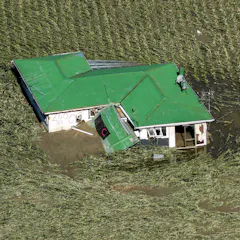
New Zealand relies on data from insurance and an international source to assess damages from extreme weather. But these datasets are fragmented, incomplete and unreliable.
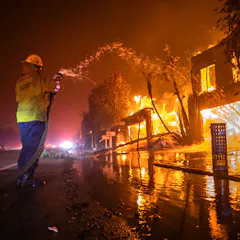
Accepting change in the aftermath of natural disasters is hard. But long-term survival may require embracing managed retreat rather than repeated rebuilds.

Health and wellbeing are greatly affected by extreme weather events. New research into how people and systems responded after Cyclone Gabrielle shows how we can react better to future emergencies.
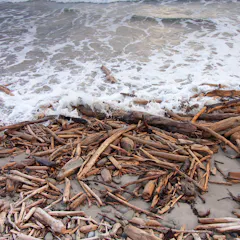
Pollution on land inevitably ends up in the sea. Policy makers must stop working in silos and instead consider the indirect consequences human impacts on land have for marine environments.
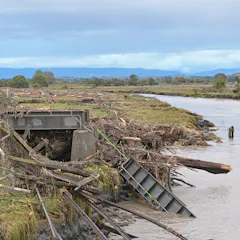
Labour’s ‘Adapt and Thrive’ plan for climate resilience is unlikely to survive the new government’s priorities. But the country cannot avoid addressing its urgent infrastructural deficit.
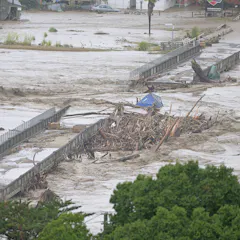
New Zealand’s food system – from production to delivery – has been built around efficiency rather than resilience to climate change and natural disasters. But there are solutions.
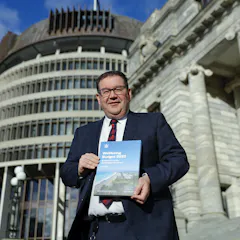
Incremental and pragmatic, New Zealand’s fifth Wellbeing Budget tries to balance cost-of-living support with huge long-term investment challenges – all without frightening the inflation horses.
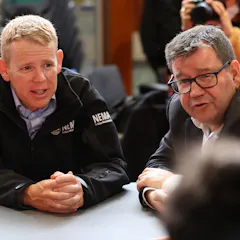
Thursday’s ‘orthodox no-frills budget’ sounds like Labour is switching from Ecostore to Kmart: never mind your wellbeing, this is about Labour’s political survival.
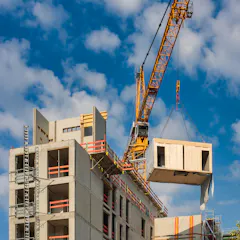
Innovative materials and modular buildings offer New Zealand a way to build back better after Cyclone Gabrielle. But to do this, we need to develop the framework to support the new approach.

Recovery efforts in regions hit by Cyclone Gabrielle need to ensure support and care is provided to pregnant mums to prevent life-long consequences for babies in-utero.
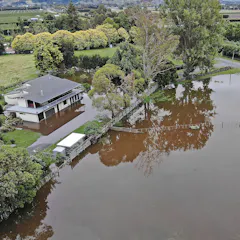
The insurance industry should be involved in planning for future disasters and resilience, before some parts of New Zealand become uninsurable – leaving mortgage holders and banks exposed.
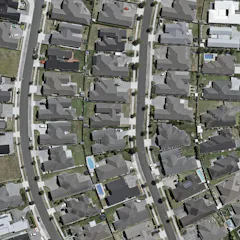
New Zealand’s urban green space has dwindled over the past six decades. The Commissioner for the Environment has issued a warning and a challenge – get greener before climate change gets meaner.
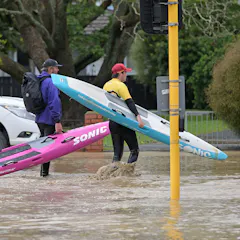
Climate change is adding energy to the atmosphere and the oceans. This in turn fuels more intense storms and heavy rainfall.
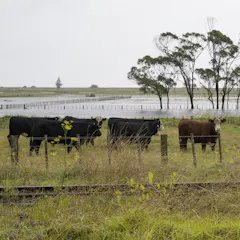
Floods are often followed by waves of diseases because pathogens shed by animals can survive in flood waters for days, raising the risk of infection for humans.
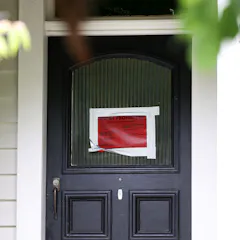
The ‘stickering’ of houses under section 124 of the Building Act, and decisions about when it’s safe to return, need to be informed by science. Affected communities should be involved at every stage.
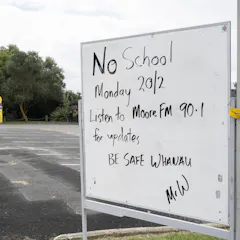
Too many New Zealanders were cut off without phone or internet access after Cyclone Gabrielle hit. Here are some of the back-up options we need before the next disaster strikes.
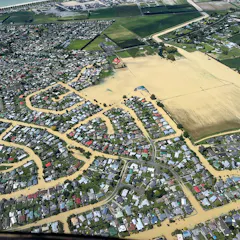
Should the country go into debt or raise taxes to pay for disaster recovery? The best solutions might not be the most politically attractive – and that’s a problem.
Top contributors
-

Senior Lecturer in Urban Planning, University of Auckland, Waipapa Taumata Rau
-
Professor of Applied Geology, University of Auckland, Waipapa Taumata Rau
-
Chair in the Economics of Disasters and Climate Change, Te Herenga Waka — Victoria University of Wellington
-
Professor of Construction Management, Auckland University of Technology
-
Associate Professor of Environmental Sciences, University of Nottingham
-
Professor of Agricultural Economics, Lincoln University, New Zealand
-
Deputy Dean of the Faculty of Design and Creative Technologies, Auckland University of Technology
-
Director of the Roy McKenzie Centre for the Study of Families and Children, Te Herenga Waka — Victoria University of Wellington
-
Professor and Chair in Sustainable Energy Systems, Te Herenga Waka — Victoria University of Wellington; Stellenbosch University
-
Executive Dean, Bond Business School, Bond University
-
Professor of Taxation and Commercial Law, Te Herenga Waka — Victoria University of Wellington
-
Emeritus professor, University of Canterbury
-
Professor of Marine Sciences, University of Auckland, Waipapa Taumata Rau
-
Associate professor, Te Kunenga ki Pūrehuroa – Massey University
-
Professor of Marine Science, University of Auckland, Waipapa Taumata Rau