

Students experience intense feelings of discomfort, confusion and even embarrassment at being classified as “different” and an “anomaly” alongside the norm of white academic success.
Articles on Curriculum
Displaying 81 - 100 of 168 articles

Khanya College’s curriculum was quite different from the one taught at other universities of the time. Its students studied oral African literature and history alongside Western literature.

A radical new model of “competency based” medical education emphasizes trainee skill over time invested. Queen’s University is the first in Canada to fully embrace this shift.

Universities play a major role in procuring the human and intellectual resources needed for fulfilling the various goals of the UN’s Agenda 2030.

The discourse and structure of online learning can exclude English language minority students. Techniques such as video chats, “safe houses” and content-focused grading can support their success.

Many Canadian teachers worry about how to incorporate Indigenous content into the classroom. For one sociology professor, finding Indigenous mentorship was richly rewarding.
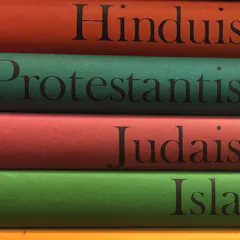
Religious education offered in Australian state schools has variations in the quality of delivery and limited provisions for the students who opt out.
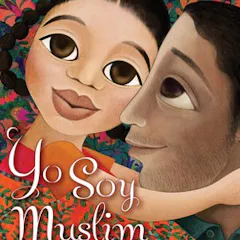
Book publishing is starting to take note of calls for inclusivity and diversity. A new imprint, Salaam Reads, may finally help educators round out their inadequate classroom reading lists.
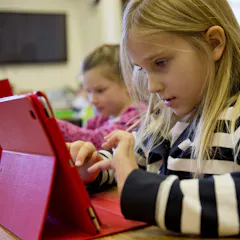
Textbooks were once a major piece of educational infrastructure. But as digital content expands, a new kind of ‘textbook’ is improving the quality of K-12 instruction.

History movies may have Oscar potential, but their educational potential is more complicated. Should teachers use Hollywood to teach?
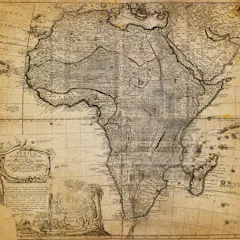
A global approach to African history complements the radical post-colonial histories, while also asserting the role of the continent in the world’s global pasts and present.

Should French children be taught about the ‘positive aspects’ of colonialism? What the presidential candidates say.

High school students in America learn two very different perspectives on World War I in their U.S. and world history classes. But which of these competing viewpoints should take center stage?
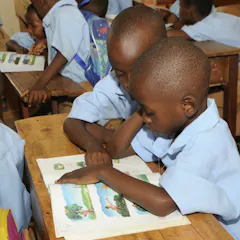
Textbooks in sufficient quantities are effective in improving the quality of education but in Africa language poses a problem to how pupils interact with the material they are taught.

There are other ways to conduct meetings and present lectures. Could adopting, adapting or even just understanding more about these help universities to release colonialism’s grip on their practices?

Mentoring programs can be enormously valuable for students, both in terms of their academic performance and their professional development.

For the first time since 1911, students in NSW can now complete Year 12 without having read a novel or poetry.
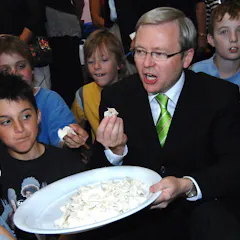
17% of the Australian population is now of various Asian backgrounds. School curriculum around Asia-Australia relations needs updating to reflect demograpic changes.

Because educating young people about mental health and well-being is no simple task
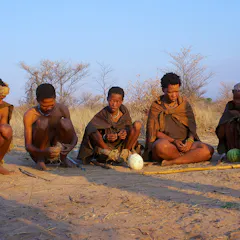
Primary school children who belong to ethnic minorities are especially vulnerable to dropping out of school early. If teachers were better equipped to deal with multiculturalism, this could change.
Top contributors
-

Adjunct Professor, University of Technology Sydney
-
Senior Lecturer in Entrepreneurship, Consumer Studies and Technology Education, North-West University
-
Programme Leader, MA in Educational Assessment, UCL
-
Professor of Secondary Education, Faculty of Education, University of Alberta
-
Researcher in TESOL & Literacy, University of Notre Dame Australia
-
Associate Professor, Early Childhood Education, Queen's University, Ontario
-
Associate Professor, School of Education, Aarhus University
-
Campus and Secondary Principal at the International School of Geneva's La Grande Boissière, Research Associate at the University of Geneva's department of Education and Psychology, Université de Genève, Université de Genève
-
Emeritus Professor of Education, University of Derby
-
Professor, University of Cape Town
-
Emeritus professor, The University of Western Australia
-
Associate Professor in Sociology, Deakin University
-
Senior Lecturer in language education, University of Botswana
-
Course coordinator: Language in Humanities, University of Cape Town
-
Academic Development