
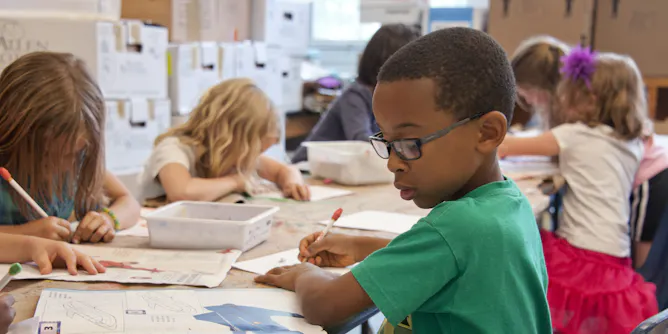
Listening to voices of racialized students in French immersion matters for creating more inclusive schooling.
Articles on Culturally relevant education
Displaying all articles

By adopting aspects of the expressive arts in the classroom, teachers may help children discover a healing narrative.
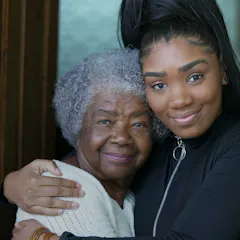
As a researcher focussed on African, Afro-Caribbean and Black families’ schooling experiences, I appeal to school staff to understand the importance of the school-family-community partnership.

The Aboriginal Coalition to End Homelessness opened British Columbia’s first culturally supportive housing on Vancouver island — a model that can be replicated across Canada.
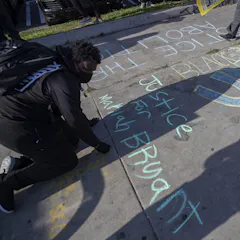
A sociologist asked public high school teachers to draw maps of the neighborhood where they teach. Those with more detailed maps also made stronger cultural connections with their students.

When teachers use memories to examine how schools unequally affect children’s life choices and chances on the basis of social identity, they’re able to imagine more equitable education.

Interviews with Arab Albertan students reveal encounters with uneducated views of who they are in schools – a troubling situation particularly when hate crimes have been on the rise.
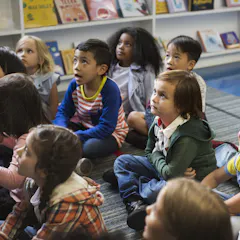
Culturally-responsive student assessment and evaluation is key to student success in diverse, globalized societies.
Top contributors
-

-
Professor of Teacher Education, University of Toronto
-
Adjunct Professor, Faculty of Education, University of Alberta
-
Researcher in Black education, policy, and community development, University of Toronto
-
Deputy Vice-Chancellor, Education, Murdoch University; Professor of Measurement, Assessment and Evaluation, Murdoch University
-
Senior Lecturer, Faculty of Education, Simon Fraser University
-
Associate Professor, Curriculum and Teaching, Hunter College
-
Associate Professor in Education, Concordia University
-
Ph.D. Candidate in Urban Schooling, University of California, Los Angeles
-
Distinguished Professor, Faculty of Education, Brock University
-
Executive Director, Aboriginal Coalition to End Homelessness Society
-
PhD Candidate, Faculty of Education, York University, Canada
-
Associate Dean, School of Graduate Studies & Professor, Faculty of Education, Queen's University, Ontario
-
Equity Programming and Research Manager, Aboriginal Coalition to End Homelessness Society
-
PhD Candidate in Community and Regional Planning, University of British Columbia