

Wastewater data can only measure the volume of drugs consumed, not the number of people using them or the level of harm they experience.
Articles on Crystal meth
Displaying 1 - 20 of 29 articles

If approved, mirtazapine would be the first prescription medicine for people with methamphetamine dependency.

Negative attitudes lead to stigma, which sees people who use drugs isolated and marginalised.

If governments want to tackle drug use, targeting those at most risk is a better strategy than mass campaigns.
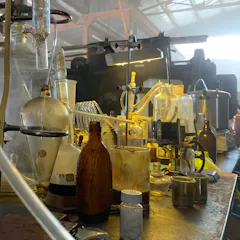
A history of the drug crystal meth.
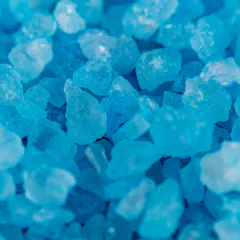
Methamphetamine use has increased dramatically in Asia in the past five years, overtaking even the US. Now cartels spy an opportunities in Europe.

People who use party drugs say it gives them energy to dance and socialise, reduces their inhibitions and enhances their feelings of connection to others.

The sexualized use of crystal meth by gay men is one of the key drivers of rising HIV rates and has many negative mental health consequences. Integrated sexual and substance use care is vital.
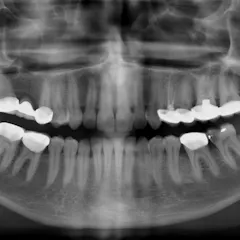
Extensive decay and gum disease are overlooked and under-researched effects of crystal methamphetamine.
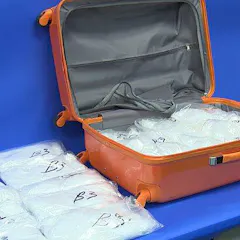
West Australian Labor leader Mark McGowan said his state has the “worst rate of methamphetamine usage in the country”. We asked the experts to check the evidence.

Without doubt, crystal methamphetamine, like many drugs (including alcohol) is capable of causing immense harm. But when facts are distorted to create fear and stigma it helps no one.

Ice increases the risks of psychosis, violence and impulsivity, and decreases emotional control. So what can families really do?

Australia is following the lead of the United States and sending ex-ice users into schools in the hope they can impact kids’ attitudes towards drug use and prevent use.

Around 2.3% of Aboriginal and Torres Strait Islander Australians 15 years and over report using speed or amphetamine in the past year. This is similar to the general population.

Ice is a slang name for crystal methamphetamine – a stimulant drug that is swallowed, smoked or injected. It works by activating the reward pathways in the brain, producing feelings of alertness.

Smoking causes 96,000 premature deaths a year in the UK. The fact that it protects against Parkinson’s disease is not a reason to take up the habit.
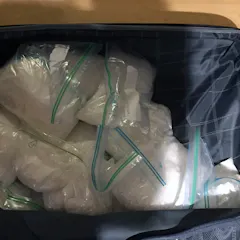
The ice taskforce’s report sends a clear message about the importance of focusing on drug use as a health issue. This signals an important shift in thinking.

Many untested drug therapies are expensive at best and potentially dangerous at worst. So what treatments do work for ice and other drug users?

The challenge is to intervene before users hit crisis point. A Hawaii-based program does just this and has achieved substantial reductions in drug use. A similar scheme could work in Australia.

Are addicts sick and helpless victims with little control over their own behaviour, or brazen criminals who deserve to be punished accordingly?
Top contributors
-

Adjunct Professor at the National Drug Research Institute (Melbourne based), Curtin University
-
Associate Professor, National Drug & Alcohol Research Centre, UNSW
-
Research Fellow/Epidemiologist, Australian Institute of Family Studies
-
Associate Professor in Criminal Justice and Criminology, Bond University
-
Professor, National Drug Research Institute, Curtin University and Burnet Institute, Burnet Institute
-
Professor & Director of Prevention at the Matilda Centre for Research in Mental Health and Substance Use, University of Sydney
-
Professor of Violence Prevention and Addiction Studies, Deakin University
-
Professor, Mental Health and Addiction, Rural Health Research Institute, Charles Sturt University
-
Sessional psychology lecturer, Australian Catholic University
-
Professor and Director of the National Drug and Alcohol Research Centre, UNSW
-
Principal Research Fellow, Australian Research Centre in Sex, Health and Society, La Trobe University
-
Associate Professor, The University of Melbourne
-
Professor, Deakin University
-
Research Fellow, National Drug and Alcohol Research Centre, UNSW
-
Professor, La Trobe University