
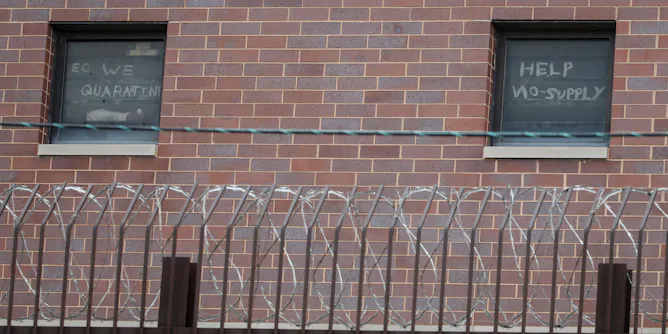
In the 1790s, penal reformers rebuilt America’s squalid jails as airy, hygienic places meant to keep residents – and by extension society – healthy. Now they’re hotbeds of COVID-19. What went wrong?
Articles on Criminal justice reform
Displaying 21 - 40 of 49 articles

Decriminalizing medical and recreational marijuana may exacerbate racial inequality within the criminal justice system, among other things.

More and more district attorney candidates are running on reversing the government’s traditional approach to crime and punishment. And they’re winning.
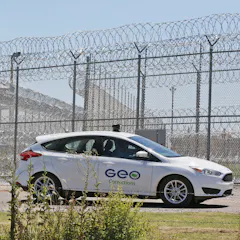
Private prisons have long been a topic of controversy in the U.S. A professor of sociology explains what they are and why they matter.
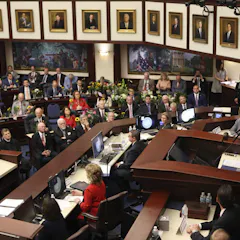
This state law is leaving up to a million people unable to participate in elections who might have gotten relief through an amendment voters approved. Critics call it a modern-day poll tax.
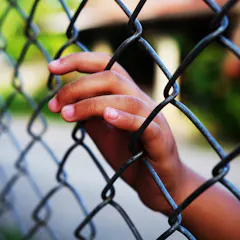
Children are still being held in police cells and juvenile detention for low-range offences, under alarming conditions. Here’s how their mental health and future prospects suffer.

Mother’s Day was originally a call for peace and justice. Some are advocating it be returned to a day of action and reflection.
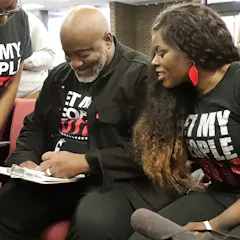
Legislation requiring that all criminal debt associated with a citizen’s conviction be repaid would leave thousands of people unable to cast ballots.
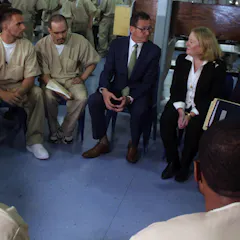
In a pilot program, older prisoners sentenced to life mentor younger prisoners who have a chance to lead productive, lawful lives when they get out. The focus is on healing trauma.
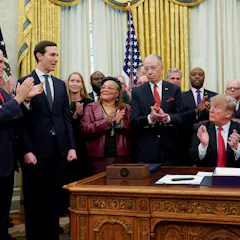
It’s not so unusual that Democrats and Republicans converge on criminal justice, at least on the surface. Deep disagreements still remain.

A neuroscientist explains how detention can affect a developing mind, as a new law in California sets the highest age limit in the US for minors to be held criminally responsible, at age 12.
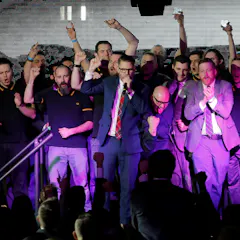
Law enforcement’s historical tendency to treat crimes committed by white power groups as isolated incidents has allowed them to flourish.
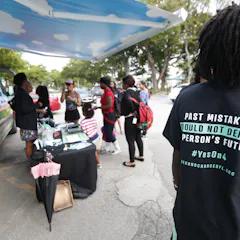
New research shows that when ex-offenders are told they’re able to vote, their attitudes about democracy and justice improve.
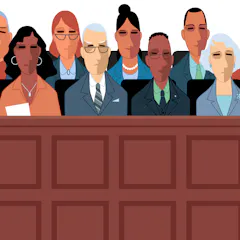
In many places across the US, law prohibits people with felony convictions to serve on juries. Research puts the thinking behind these laws to the test.
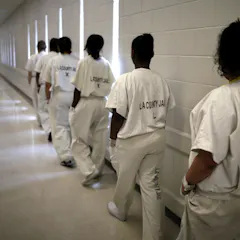
A new public opinion survey reveals Americans largely agree on sentencing reform, and how money spent on prisons could be reinvested in communities.

It’s been three years since the TRC released its report on the lasting impact of residential schools in Canada but responses to the 94 Calls to Action have been slow. A new framework hopes to change that.
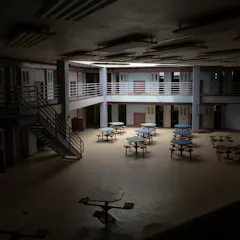
A wealth of research suggests prisons have serious detrimental effects on prisoners and prison workers.

Programs that allow individuals to be supervised in the community instead of in prison are growing in a way that is not sustainable and is contributing to mass incarceration rather than relieving it.
Stanley Andrisse was once branded a career criminal and served time in prison. Today, he is a professor at two medical schools and an advocate for higher education for those who’ve served time.

Years after their trials, he got in touch with the victims he thought he had helped. They described feeling ‘dumped’ by the system.
Top contributors
-

Assistant Professor of Political Science, University of Pittsburgh
-
Professor of Criminology, University of Technology Sydney
-
Woodruff Deem Professor of Law and Distinguished Fellow of Religion, Brigham Young University
-
Associate Professor of Sociology, University of Hawaii
-
Associate Professor of Law, Rutgers University - Newark
-
Senior Lecturer in Human Resource Management, University of New England
-
Senior Lecturer in Economics, University of Sydney
-
Lecturer in Social Welfare, Southern Cross University
-
Professor of Management and Organizations, Cornell University
-
Professor of Criminal Law, University of Montana
-
Lecturer and Director of the Centre for Criminology, Maynooth University
-
Professorial Research Fellow, Institute for Culture and Society, Western Sydney University
-
Professor in Law/Criminology, University of Canberra
-
Associate Professor of Criminal Justice and Criminology, University of North Carolina – Charlotte
-
Co-Director, Columbia University Justice Lab, Senior Research Scientist, Columbia School of Social Work, Columbia University