

New Zealand’s shift to community-based sentences has cut costs, helped offenders to retain work and higher earnings, with no major change to substantive reoffending.
Articles on Criminal justice reform
Displaying 1 - 20 of 49 articles
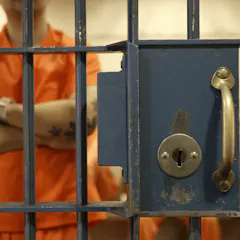
President Trump wants to punish states and cities that eliminate bail money, but releasing defendants pretrial without having to post bail doesn’t lead to higher crime rates, data shows.
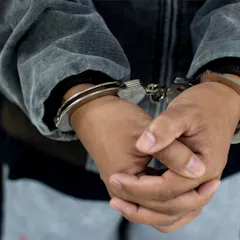
The new guidelines are not intended to reduce punishment but aim to reduce disparities in punishment that are linked to race and ethnicity.
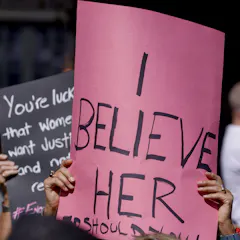
The inquiry into justice responses to sexual violence is taking a holistic approach, which is a welcome step in the right direction. But there’s still elements missing from the terms of reference.

What does ‘justice reinvestment’ mean in practice? Who makes funding decisions? To find out more, we consulted Aboriginal communities in Bourke, Moree and Mount Druitt.

Journalist Shannon Molloy was sexually abused as a child, by another young person. He talks to experts, and to other men who’ve experienced sexual abuse, to make sense of his experience.

Mexico’s crime epidemic continues to worsen, as poverty and inequality also grow in the country.

After participation in the Literacy for Life Foundation adult literacy campaign, serious offences by students dropped by almost 65%.

Victims of violence are often retraumatized by a legal process that puts prosecuting the accused ahead of supporting the victim.
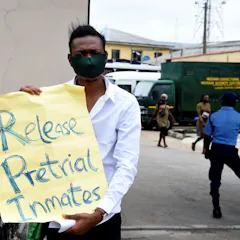
A central repository system offers practical solutions to reducing the large number of awaiting-trial inmates in Nigeria.

A cornerstone of the First Step Act, passed with bipartisan support, is the PATTERN risk-assessment tool.
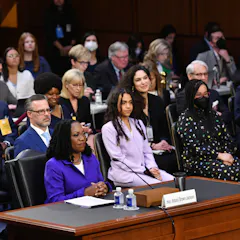
A constitutional law professor provides insight on what Judge Ketanji Brown Jackson, the first Black woman nominated to the Supreme Court, could mean for how that court works.
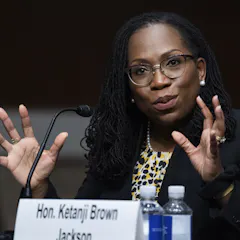
A constitutional law professor provides insight on what Judge Ketanji Brown Jackson, the first Black woman nominated to the Supreme Court, could mean for how that court works.
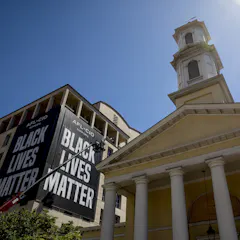
Race, politics and religion have a long and tangled history in the US. And it all comes together each week in sermons across the country.

A recent Labor Department memo urges agencies to avoid releasing press releases accusing companies of violating laws, to protect the companies’ reputations. People are denied the same protections.

Possessing heroin, cocaine, meth and other drugs for personal use is no longer a criminal offense in Oregon. The idea is to get people with problem drug use help, not punishment.
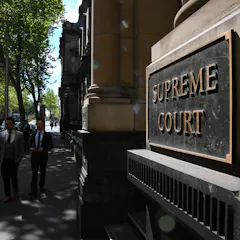
Coronavirus has dealt a blow to the already overburdened Victorian criminal court system, meaning hundreds — if not more — face extensive delays for their day in court.
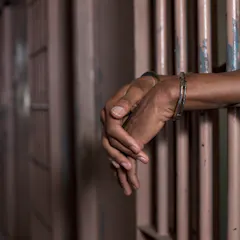
Whether or not someone is eventually convicted, an arrest alone is enough to significantly impair a Black man’s job and earning prospects.
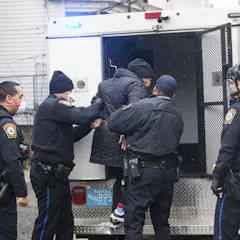
When police arrest a suspect who is then convicted of the crime, it is a rare exception rather than the rule in the US.
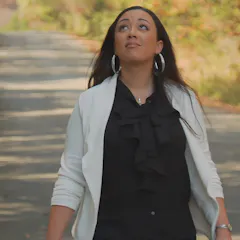
Dan Birman, director of the new Netflix feature documentary ‘Murder to Mercy: The Cyntoia Brown Story,’ discusses his filmmaking process and the importance of the case.
Top contributors
-

Assistant Professor of Political Science, University of Pittsburgh
-
Professor of Criminology, University of Technology Sydney
-
Woodruff Deem Professor of Law and Distinguished Fellow of Religion, Brigham Young University
-
Associate Professor of Sociology, University of Hawaii
-
Associate Professor of Law, Rutgers University - Newark
-
Senior Lecturer in Human Resource Management, University of New England
-
Senior Lecturer in Economics, University of Sydney
-
Lecturer in Social Welfare, Southern Cross University
-
Professor of Management and Organizations, Cornell University
-
Professor of Criminal Law, University of Montana
-
Lecturer and Director of the Centre for Criminology, Maynooth University
-
Professorial Research Fellow, Institute for Culture and Society, Western Sydney University
-
Professor in Law/Criminology, University of Canberra
-
Associate Professor of Criminal Justice and Criminology, University of North Carolina – Charlotte
-
Co-Director, Columbia University Justice Lab, Senior Research Scientist, Columbia School of Social Work, Columbia University