

The XBB.1.5 subvariant — nicknamed ‘Kraken’ — is arguably the most genetically rich and most transmissible SARS-CoV-2 Omicron subvariant yet.
Articles on COVID-19 vaccines
Displaying 41 - 60 of 596 articles

An effective nasal vaccine could stop the virus that causes COVID-19 right at its point of entry. But devising one that works has been a challenge for researchers.

Systemic social issues affect vaccine access and acceptability. Yet, the term ‘vaccine hesitancy’ overlooks this, reducing the multiple factors that affect vaccine uptake to individual-level choices.
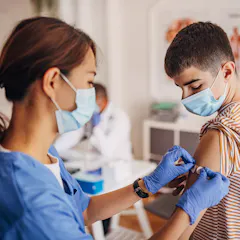
Nurses who identify as Democrats have a significantly higher likelihood of having their children vaccinated against COVID-19 than those who identify as Republicans.
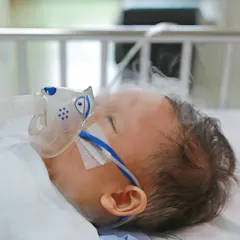
Respiratory viruses are hitting young children and infants particularly hard this fall and winter season, and experts don’t yet know exactly why.
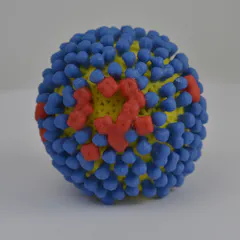
Flu and COVID-19 are expected to make headway during the current respiratory virus season. The best way to stay healthy is vaccination in conjunction with personal protective measures.

Researchers identified a connection between low levels of media literacy and COVID-19 vaccine hesitancy in people who consume their news via social media.

Adding COVID-19 to a list of ‘designated diseases’ will not make vaccination mandatory for school entry. But it may help increase COVID-19 vaccine uptake among children.

When COVID-19 and the flu co-infect, it’s ‘flurona.’ But such cases are rare, and there are effective ways to protect yourself from both viruses.

Canadian scientists have made significant contributions during the pandemic response, including vital roles in developing COVID-19 vaccines. But underfunding puts the future of science in Canada at risk.

Early on, public health messaging focused on the need for vaccines to combat COVID-19. But far less attention has been given to the role of boosters in preventing deaths and reducing inequities.
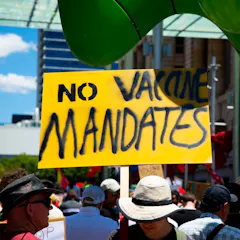
Fair Work Commission rulings on employer vaccination mandates highlight the need for fair processes.

A major lesson from the COVID-19 pandemic is the need to decolonize transnational governance so that the world is better able to handle both future and current global crises.

Only 15.8% of the population in low-income countries is double-dosed. Vaccine hoarding by high income countries is to blame.

Fourth COVID shots have been approved for over-30s, a necessary step to help protect Australians this winter. But we should be doing more.

On the horizon: A new omicron-focused version of the Moderna vaccine that may offer longer protection and a stronger immune response.

With COVID-19 shots finally available for infants and preschoolers, knowing how to combat misinformation on social media and elsewhere could be more important than ever.

The FDA’s authorization of COVID-19 shots for children ages 6 months to 4 years will bring relief for millions of parents. Pending CDC endorsement, shots for this group will be available within days.

To help people make informed decisions about ongoing COVID-19 risks, public health messaging needs to adapt as the pandemic evolves, just as immune systems adapt to new viruses and variants.

Waiving patent rights on COVID-19 vaccines and drugs is still crucial to ensure access globally, but the waiver on the table at the June World Trade Organization meeting doesn’t do the job.
Top contributors
-

Professor, School of Population Health, UNSW
-
Professor, The Children's Hospital at Westmead Clinical School and Sydney Infectious Diseases Institute, University of Sydney
-
Early Career Research Leader, Emerging Viruses, Inflammation and Therapeutics Group, Menzies Health Institute Queensland, Griffith University
-
Professor of Paediatrics and vaccinologist, Royal Childrens Hospital, University of Melbourne and Murdoch Childrens Research Institute (MCRI); Associate Dean International, University of Melbourne, Murdoch Children's Research Institute
-
Professor, School of Social Sciences, The University of Western Australia
-
Associate Professor and ARC Future Fellow, The University of Western Australia
-
Associate professor, Department of Family and Community Medicine, University of Toronto; York University, Canada; University of Sydney
-
Professor, School of Biomedical Sciences and Pharmacy, University of Newcastle
-
Associate Professor, Epidemiology, Deakin University
-
Associate Professor of Health Law, Policy and Management, Boston University
-
Research associate, Warren Alpert Medical School, Brown University, Brown University
-
Chair in Epidemiology, Deakin University
-
Distinguished Professor, Professor of Immunology, RMIT University
-
Vice-Chancellor's Research Fellow, School of Health and Biomedical Sciences, RMIT University
-
Instructor of Human Immunology, Emory University