

Achieving herd immunity via vaccination was always going to be a hard ask. Now it’s mathematically impossible.
Articles on COVID-19 vaccines
Displaying 61 - 80 of 596 articles
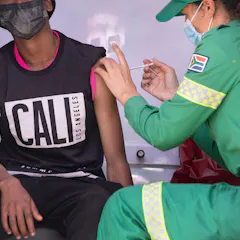
Understanding the depth of vaccine hesitancy, and the drivers behind the lack of take-up is critical to preventing further deaths, infections, and continuing harm to the economy.

An inhaled COVID-19 vaccine would go directly to where the body would use it: the mucosal surface of the airways. This could mean less waste and more benefit, lower costs and reduced side-effects.

The COVID-19 vaccines continue to be effective against severe illness leading to hospitalization and death in all age groups, including children ages 5 to 11.

Boosters and vaccinating children mean we’re relying on two pharmaceutical companies to supply Australia’s COVID vaccines. That needs to change.
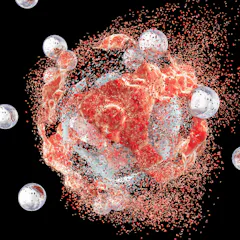
The COVID-19 mRNA vaccines put nanomedicine in the spotlight as a potential way to treat diseases like cancer and HIV. While the field isn’t there yet, better design could help fulfill its promise.

Studies show if medical staff talk about potential side effects in negative terms, the patient’s experience can worsen. We need to consider this ‘nocebo’ effect when talking about COVID vaccinations.
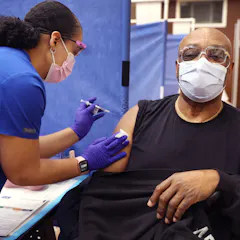
New data on the second booster suggests the older you are, the more you need it.

At this point it’s pragmatic to integrate COVID-19 management into routine health practices.

Many COVID-19 vaccination campaigns encourage doctors to serve as a trusted source of vaccine information. But certain vaccine-hesitant providers may stymie these efforts.
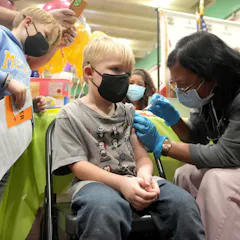
Moderna will ask the FDA to allow emergency use for its vaccine in children as young as 6 months, a step many parents have been anticipating.

Evusheld is an antibody drug from AstraZeneca intended to help prevent COVID-19 infection for immunocompromised and other vulnerable patients.

Vaccine passports became one of the most divisive issues of the COVID-19 pandemic. These policies were affected not only by public opinion but by new variants and changing goals for herd immunity.
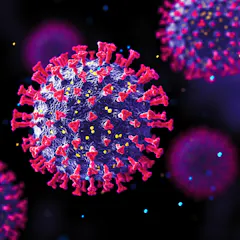
The latest addition to the omicron lineage has been making waves in Europe. Whether it will do the same in the U.S. depends on rates of vaccination and prior infection.

Some of the most persistent myths about COVID-19 vaccination have been false rumours that it can affect fertility in men or women. There has never been any evidence to support this misinformation.
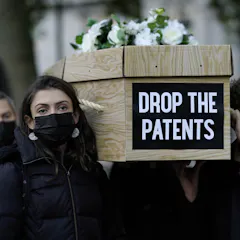
Only 14% of people in poorer countries have received one vaccine dose, but a leaked WTO ‘solution’ to waive patents fails to ensure developing countries can access life-saving vaccines and medicines.

Cuba is acting on the scientific fact that humanity will be safest when all who can be vaccinated are vaccinated. It is following the science and earning its trusted reputation.
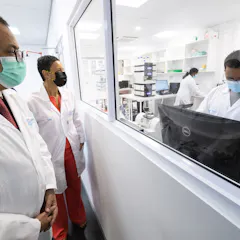
Moves by Moderna and BioNTech to make vaccines themselves in African countries signal that the companies aren’t considering licensing its technology to a third party for local manufacture.

Imagine if the PM had caught COVID two years ago? We knew so little about COVID with certainty back then, and what we did know was truly frightening. Here’s what’s changed since then.

If what you’re reading seems too good to be true, it probably is.
Top contributors
-

Professor, School of Population Health, UNSW
-
Professor, The Children's Hospital at Westmead Clinical School and Sydney Infectious Diseases Institute, University of Sydney
-
Early Career Research Leader, Emerging Viruses, Inflammation and Therapeutics Group, Menzies Health Institute Queensland, Griffith University
-
Professor of Paediatrics and vaccinologist, Royal Childrens Hospital, University of Melbourne and Murdoch Childrens Research Institute (MCRI); Associate Dean International, University of Melbourne, Murdoch Children's Research Institute
-
Professor, School of Social Sciences, The University of Western Australia
-
Associate Professor and ARC Future Fellow, The University of Western Australia
-
Associate professor, Department of Family and Community Medicine, University of Toronto; York University, Canada; University of Sydney
-
Professor, School of Biomedical Sciences and Pharmacy, University of Newcastle
-
Associate Professor, Epidemiology, Deakin University
-
Associate Professor of Health Law, Policy and Management, Boston University
-
Research associate, Warren Alpert Medical School, Brown University, Brown University
-
Chair in Epidemiology, Deakin University
-
Distinguished Professor, Professor of Immunology, RMIT University
-
Vice-Chancellor's Research Fellow, School of Health and Biomedical Sciences, RMIT University
-
Instructor of Human Immunology, Emory University