

Social Stress Indicator is invaluable for digital governance, crisis response, mental health monitoring, and platform design to track and respond to social stress.
Articles on COVID-19 vaccine hesitancy
Displaying all articles

Previous research has shown that people tend to approach hypothetical problems in a more rational and less intuitive fashion when these are presented in a language that is not their native one.

While the inquiry gets most things right, as vaccine experts, we argue the government response should be broadened in three areas.

Religious leaders are vital links for health services looking to counter vaccine hesitancy.

New research confirms that COVID-19 vaccines are safe and effective at reducing the cardiovascular complications that are a hallmark of COVID-19 infection.

Specific beliefs may have more to do with people’s vaccine views than their religious affiliation – but it depends on which vaccine you’re talking about.
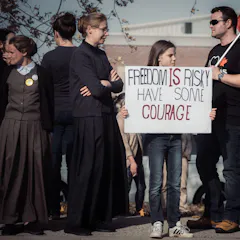
To adequately prepare for the next pandemic, we need to understand where people’s spirituality and science scepticism overlap – and why.

Concerns about taking any medication when pregnant are common and understandable. But the risks of getting COVID while pregnant and unvaccinated are high.
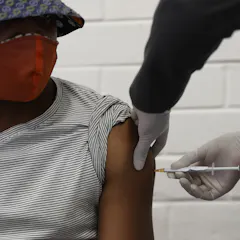
Curbing vaccine hesitancy is as much a matter of acknowledging its social, historical, and cultural roots as it is of addressing its clinical dimensions.

Nurses who identify as Democrats have a significantly higher likelihood of having their children vaccinated against COVID-19 than those who identify as Republicans.

Researchers identified a connection between low levels of media literacy and COVID-19 vaccine hesitancy in people who consume their news via social media.

Adding COVID-19 to a list of ‘designated diseases’ will not make vaccination mandatory for school entry. But it may help increase COVID-19 vaccine uptake among children.
Top contributors
-

PhD Candidate in Sociology, West Virginia University
-
Professor of Sociology, West Virginia University
-
Associate Professor of Communication and Information, Nanyang Technological University
-
Professor of Communication, University of California, Davis
-
Professor of Midwifery, Associate Dean Research and HDR, Midwifery Discipline Leader, Western Sydney University
-
Doctoral Student and Provost's Research Fellow, University of California, Davis
-
Senior Lecturer in Management, Culture, and Sustainability, Middlesex University
-
Honorary Professor, International Relations, Brunel University of London
-
Associate Professor of Political Science, South Dakota State University
-
Assistant Professor of Political Science, Iowa State University
-
Reader in Political Science, Brunel University of London
-
Member, IMPART (Inflammation & Metabolism, Physical Ability, & Research Translation) Network, Dalhousie University
-
Professor of Sociology, West Virginia University
-
Professor of Biostatistics and Global Health, Western Sydney University
-
Associate Professor, Labour studies, Brock University