

Chaos at the CDC and the sharp move away from mRNA vaccines has public health experts alarmed.
Articles on COVID vaccinations
Displaying all articles
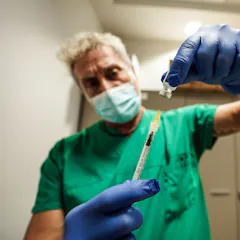
One of the cornerstones of being prepared for the next pandemic is being in the best position possible to design and deploy a suitable vaccine.
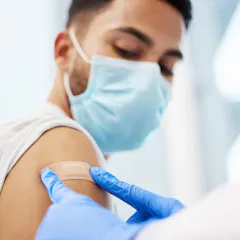
From next month, Australians won’t be able to access compensation for any vaccine injury – from COVID or any others.
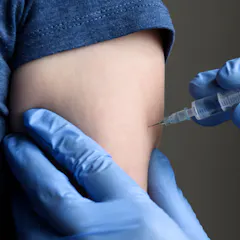
COVID vaccines will go on sale privately in England and Scotland from April 1 for all those aged 12 and over. In the US, they have been available to buy commercially since 2023, with the private sector…

We tend to just think of viruses in terms of their damaging impacts on human health and lives. But viruses can also be used to benefit human health, agriculture and the environment.

As the virus continues to mutate, COVID vaccines are updated. This brings us to the latest announcement about the new ‘monovalent’ vaccines.
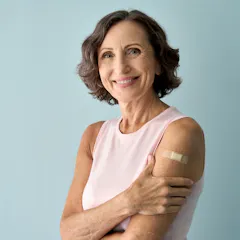
Australia seems to be focusing on boosters for people aged 75 and over, with its latest recommendations. But that may change.

New research shows that breastfeeding rates peaked in 2020, a time of strict COVID restrictions.

Specific beliefs may have more to do with people’s vaccine views than their religious affiliation – but it depends on which vaccine you’re talking about.
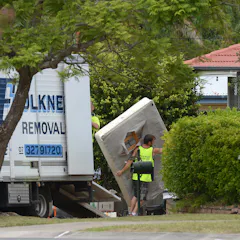
The latest revised data challenge the popular narrative about a population renaissance for regional Australia and for states and territories that were losing residents to other parts of the country.

Concerns about taking any medication when pregnant are common and understandable. But the risks of getting COVID while pregnant and unvaccinated are high.

People can get infections sooner and we now have a mix of variants in the population. Reinfections will likely become more common and the infection rate will rise.

Former MP Dr Kerryn Phelps’ COVID vaccination experience has prompted discussion about severe side effects after COVID vaccines. Here’s how they’re tracked, confirmed and prevented.
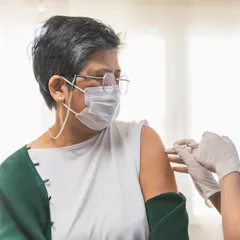
Lagging booster vaccine uptake in England means millions of people may not be optimally protected ahead of winter.
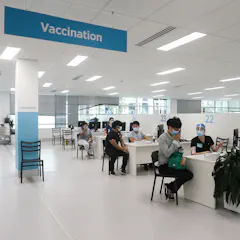
A review of COVID booster acceptance statistics suggests we may be unlikely to see coverage go much beyond 80% – but we can still learn from others’ mistakes when it comes to health messaging.
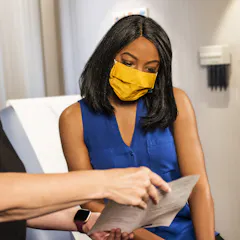
New boosters protect against the original COVID strain as well as Omicron. In future, we might see variant-proof vaccines or those delivered in the nose or mouth.

This is not cause for concern, but it’s important information to have.

If you’re aged 30 or over and it’s been three months since you either had COVID or received your last COVID vaccine, you’re eligible for a booster.
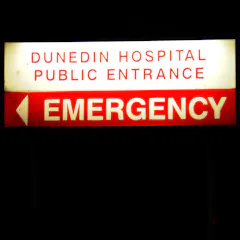
The last time New Zealanders even had a flu season was in 2019. The flu, along with COVID-19 and other respiratory viruses, is expected to hit hard this winter.

Knowing whether it’s safe to travel is harder in the age of COVID. This travel guide may help.
Top contributors
-

Professor, Infectious Diseases and Microbiology, The University of Queensland
-
Professor of Sociology, West Virginia University
-
Professor and Co-Program Director, Disease Elimination, Burnet Institute
-
Professor, School of Population Health, UNSW
-
Paediatrician, Infectious Diseases Physician and Clinical Microbiologist, The Kids Research Institute Australia, The University of Western Australia
-
Researcher and lecturer in Spatial Data Science, University of Canterbury
-
Distinguished Professor, Professor of Immunology, RMIT University
-
Professor of Midwifery, Associate Dean Research and HDR, Midwifery Discipline Leader, Western Sydney University
-
Professor in Demography, Northern Institute, Charles Darwin University
-
Research Fellow, Vaccine Uptake Group, Murdoch Children's Research Institute
-
Associate Professor, University of Canterbury
-
Research Assistant at the National Centre for Population Health and Wellbeing Research, Swansea University
-
Professor Emerita, Nursing, School of Nursing and Midwifery, Griffith University
-
Adjunct Associate Professor, University of Tasmania
-
Associate Principal Research Fellow, Burnet Institute