

Researchers identified a connection between low levels of media literacy and COVID-19 vaccine hesitancy in people who consume their news via social media.
Articles on COVID-19 myths
Displaying 1 - 20 of 29 articles

With COVID-19 shots finally available for infants and preschoolers, knowing how to combat misinformation on social media and elsewhere could be more important than ever.

Pediatricians and other health care providers can take some concrete steps toward building trust and counteracting anti-vaccination misinformation.
Researchers found that both Kenyans and South Africans have a broadly negative view of China, possibly amplified by the pandemic.

Two pharmacists involved in COVID-19 vaccine preparation explain the role pharmacists are poised to play in expanding vaccine access.

Implausible theories give believers control over a puzzling and threatening world.
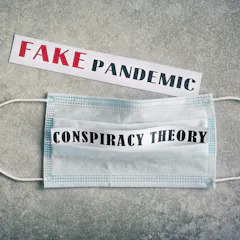
It’s not just bots which spread misinformation on social media.

Independent community publishers are helping to restore trust in journalism - but they need support.
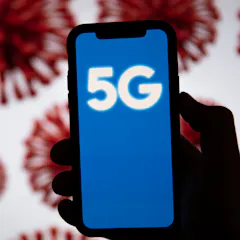
Conspiracy theories about mobile phone technology have been circulating since the 1990s and the imagined potential of radio waves to remote control a population.

Instead of debunking false claims, psychology shows promoting the facts is a more effective way to fight the spread of misinformation.

Conspiracy theories about COVID-19, such as those advanced in the video ‘Plandemic,’ tend to pull from the same playbook. Recognizing that can help keep you from falling for this kind of thinking.

Framing the fight against coronavirus as a spiritual war may stem from a shared sense of discomfort about an adversary without discernible conscience; an impersonal demon.

The conspiracy theory that Covid-19 was created in a laboratory has been widely reported, yet there is no evidence to support it. Why such theories thrive can easily be explained, however.

PODCAST: We explore the strange interpretations of where the coronavirus came from and why people are drawn to them in the final episode of The Anthill’s Expert guide to conspiracy theories.

Rural America has special problems as it copes with the COVID-19 pandemic.

Comparing death tolls between COVID-19 and the flu is the wrong way to gauge which disease is a bigger threat, according to researchers who study how people understand math.
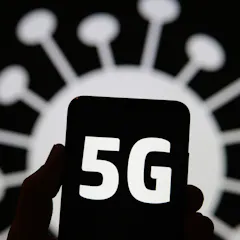
As if attacks on health workers weren’t upsetting enough, reports indicate broadband engineers are now also being abused - as conspiracy theorists link 5G technology with to COVID-19’s spread.
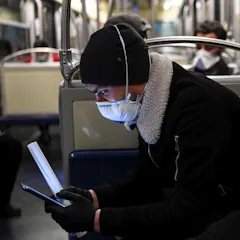
Social media analysts are seeing some alarming trends on Twitter, Facebook and other platforms as the new coronavirus spreads.

Gullibility, cynicism, pride, closed mindedness, negligence and wishful thinking. If you can use any of these to describe your reasoning, it’s likely you’re committing a sin of thought.

The economic fallout from COVID-19 will likely harm new workers in distinct ways with long-term effects, three economists say.
Top contributors
-

Assistant Professor of Behavioral and Community Health Sciences, University of Pittsburgh
-
Assistant Professor of Public Health, University of Pittsburgh
-
Department of Media & Culture, Faculty of Humanities, University of Amsterdam
-
Senior Lecturer in Marketing, University of Hull
-
Assistant Professor of Pediatrics, University of Pittsburgh
-
Associate Professor of Communication and Information, Nanyang Technological University
-
Provost Professor of Psychology and Marketing and co-director of the Dornsife Mind & Society Center, USC Dornsife College of Letters, Arts and Sciences
-
Researcher, UQ Critical Thinking Project, The University of Queensland
-
University of Oxford
-
Research Associate Professor - Economics, University of Tennessee
-
Assistant Professor, Religious Studies, McMaster University
-
Professor of American Studies, University of Manchester
-
Clinical Associate Professor of Pharmacy Practice, Binghamton University, State University of New York
-
Professor of Infectious Diseases, Monash University
-
Clinical Psychologist and Associate Professor, School of Medicine and Psychology, Australian National University