
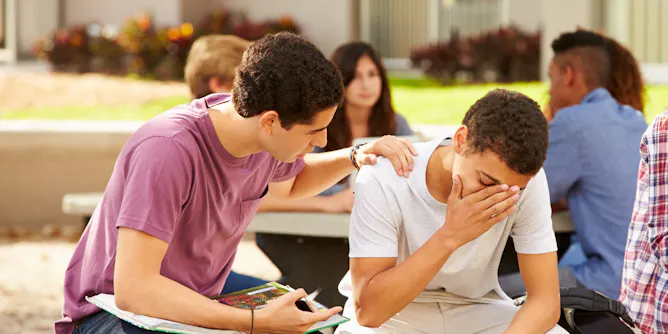
A rise in psychological distress among young Australians, compounded by COVID and difficulties in getting professional help, has added to the urgency of mental health education in schools.
Articles on COVID-19 and mental health
Displaying all articles
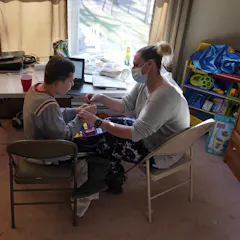
Many students with disabilities got few or no services during the pandemic, and aren’t now receiving the support they need to regain their lost ground and continue to learn

Bullied teens reported heightened anxiety when they were attending in-person school, but not when they were attending online school.
The ways in which school closings affect children are just beginning to be known, but early indications are they’re taking a negative toll on kids’ learning and overall well-being.
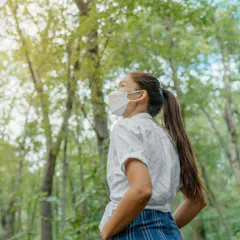
Senior school students have had a stressful year. But their personal experiences during this turbulent period can also be a source of inspiration for writing tasks in the English exam.
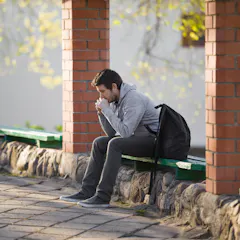
Our study shows almost one in four university and vocational education students report extremely high levels of distress during the pandemic.

Year 12 students, particularly in NSW and Victoria, have been disconnected from friends and faced anxiety over the uncertainty of exams. This added to the already high stress levels of this age group.
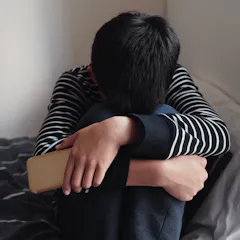
Self-harm is often a response to mounting stress and uncertainty. So it’s not surprising rates have gone up during the pandemic. Self-harm can be a means to cope and establish control over emotions.

COVID-19 survivors often experience physical symptoms for months after their initial symptoms abate. Now, a large study shows that even more suffer from psychiatric and brain issues.
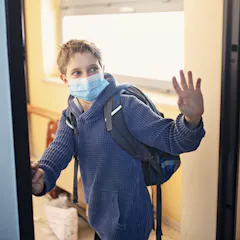
After more than a year of isolation and empty schedules, some kids might be apprehensive or anxious about interacting with the outside world. Psychology experts provide tips to ease the transition.

The pandemic has seen more children experience mental health troubles. Modelling compassion and fostering self-esteem will help

Stigma has long been an issue in mental illness. Even as people open up and share their experiences about depression, though, stigma is remaining a stubborn part of messaging.

Too much COVID-19 news could be harmful to your health, experts suggest. So how do you stay informed but not get depressed?

The texts in this shortlist demonstrate how young characters have coped with trauma and uncertainty.
House plants enrich our domestic lives in ways we often fail to notice. But lockdown may have changed all that.

People with eating disorders often struggle with staying in control. For many, the pandemic took away control. A health scholar shares her story of how that loss of control affected her bulimia.
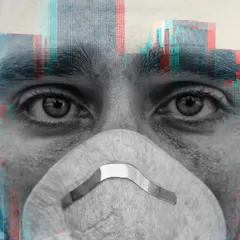
A mental health crisis has begun, as social isolation from the coronavirus and loss of jobs, income and loved ones have left people reeling. A transformation of care is badly needed.
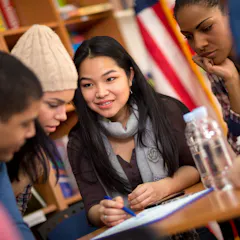
Even before this pandemic, international students were exposed to several unique hardships. These are compounded by COVID-19.
Top contributors
-

Senior lecturer, Monash University
-
Professor of Psychology and Director of the Child and Adolescent Mood and Anxiety Treatment Program, University of Miami
-
Associate Professor, Childhood Studies, University of Portsmouth
-
Associate Professor of Communication and Public Health, University of Missouri-Columbia
-
Lecturer in Social Theory, Queen Mary University of London
-
Senior Lecturer and Socio-cultural researcher, UniSA Education Futures, Adelaide University
-
Assistant Professor, Psychology and Neuroscience, University of Colorado Boulder
-
Assistant Professor of Neurology and Neurosurgery, University of Florida
-
Associate Professor of Special Education, UMass Lowell
-
PhD Candidate, School of Educational Psychology and Counselling, Monash University
-
Associate Professor of Agriculture and Human Sciences, North Carolina State University
-
University of Missouri, College of Health Sciences, University of Missouri-Columbia
-
Professor of Clinical Psychology, University of Sydney
-
Professor of English, Flinders University
-
Lecturer, Monash University