

Business culture has long embraced grit as a winning value. But modern examples show that companies will do better if they acknowledge mistakes quickly and pivot.
Articles on Corporate Culture
Displaying 1 - 20 of 25 articles

Because they can help you get to know more of your co-workers, offsites may build the kind of trust and visibility that lead to new opportunities.

Management jobs are proliferating much faster than other roles. But behavioural research shows the extra box-ticking can leave employees feeling stressed, patronised and demotivated.

Meta is among companies in recent years that have embraced becoming a ‘flatter’ organization – with fewer managers – to become more nimble and innovative.

There have been calls for a culture change at Hockey Canada in the wake of sexual abuse allegations. But what does that mean? And how do organizations change their culture?

Contrary to popular belief, boards of directors are not the ones who establish whistleblowing procedures. Instead, boards depend on their management teams to implement them.
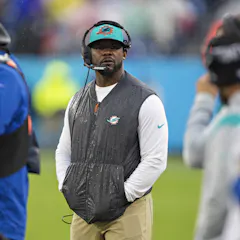
Despite efforts to diversify its prominent coaching ranks, the NFL has an abysmal record of hiring people of color. A recently fired Black coach’s suit alleging discrimination may hold the NFL accountable.

Despite efforts to diversify its coaching ranks, the NFL still has an abysmal record of hiring members of minorities not only as head coaches but also for coveted assistant coaching jobs.

When the corporate culture can so often seem rotten from the head down, faiths are there to remind us that businesses can be so much more.

A divide is growing between workers and management over the return to the office and other issues.

Psychopaths are fearless and confident. They may seem potentially resourceful employees. It never works out.

The coronavirus crisis has hit many businesses hard, but some have turned their difficulties into a springboard to move the company forward.
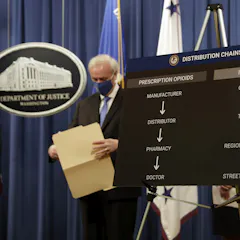
The government has tried to harness profit-driven drugmaking to serve public health before. The results were underwhelming.

The government has tried to harness a profit-driven drug industry to serve public health before.

Companies often go out of their way to avoid clearly explaining actions like firing people or informing investors and others of bad news.

The government doesn’t need to extend jurisdictions, or boost enforcement powers to prosecute corporations that have behaved dishonestly. The law for prosecution is there already.

Research shows that job interviews are a seriously flawed way of finding out how a potential employee might perform in the future.

There are more than a thousand chief happiness officers on LinkedIn but their roles differ wildly.
Changes to the official mandates guiding nonprofits and government agencies might be less significant than they appear.

Why do organisations find it difficult to change when facing a disruption? In part, because over time, what they know how to do migrates from resources to processes and finally values.
Top contributors
-

Yale University
-
Associate Professor of History, University at Buffalo
-
Vice Dean, Director of the School of Communication and Professor of Communication, USC Annenberg School for Communication and Journalism
-
Assistant Professor of Psychology, Villanova University
-
Associate Professor, MBA Director, University of Tasmania
-
Emeritus Professor of Work & Organizational Psychology, University of Manchester
-
Associate Professor of Public Administration, Askew School of Public Administration and Policy, Florida State University
-
Professor of Organisational Psychology and Health, University of Manchester
-
Associate Professor of International Business and Strategy at the D'Amore-McKim School of Business, Northeastern University
-
Professor of Practice, Associate Dean, Warwick Business School, University of Warwick
-
Professor of Law, University of Canberra
-
Doctoral Candidate in Leadership/Organization Studies, UMass Lowell
-
Assistant Professor of Management, Bucknell University
-
Professor of Management and Director of Healthcare Management Programs, Clarkson University
-
Professeur, EM Lyon Business School