
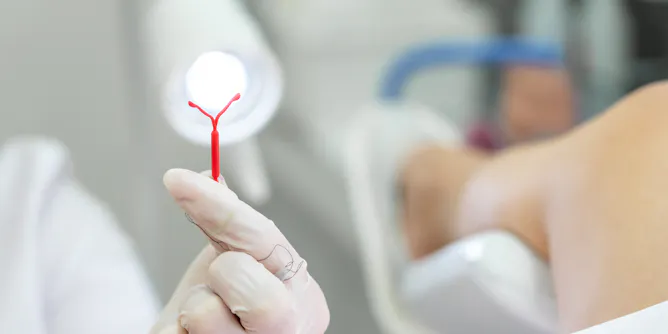
More women are using long acting reversible contraceptives. However some worry about pain on insertion.
Articles on Contraceptives
Displaying 21 - 40 of 42 articles

An increase in the adolescent pregnancy rate strongly suggests challenges with accessing sexual and reproductive healthcare services for this vulnerable age group.

Despite side effects, women continue to take contraceptives because there are no better options available.

Squirrel feeders laced with contraceptives could be used to suppress grey squirrels in the UK.

Over 60% of girls in Ethiopia are married by the age of 18. Many don’t have support in negotiating with their husbands and families to take control of their own fertility.

It’s unsurprising that such apps are popular. Contraceptives come with a slew of hazards.

July marks 50 years of Pope Paul VI’s encyclical prohibiting contraceptive use. For many years prior to it, the church had not been so explicit on its stance. How did it become such a thorny issue?

There are more than 30 different types of contraceptive pills. But brand names such as Microgynon, Levlen, Yaz and Brenda give little indication of the ingredients, dose or who should use them.

We usually focus on the physical health effects of the pill, yet the most common reason women stop or change the pill is mental health side effects.

There is no biological evidence for “giving your body a break” and in fact, it could do your health more harm than good.

Medicinal chemists are tweaking a natural molecule that can be a deadly poison – a modified version might work as a nonhormonal male contraceptive.

Long-acting reversible contraceptives are more reliable than other methods of contraception and most women are happy with them.
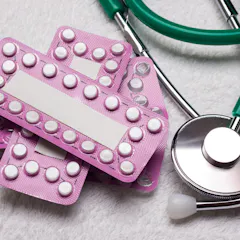
Nigeria must reduce its population growth to increase the quality of life for people in the country. A better knowledge of contraceptives can help achieve this.

New technology claims to offer an effective alternative to hormonal contraception.
Why research into male contraception keeps hitting the buffers.

A detailed new review should encourage us to ask some awkward questions.
Side effects have led to the plug being pulled on the male contraceptive injection. But what about those experienced by women on the pill?
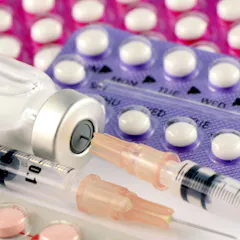
Studies have suggested that women using a particular kind of injectable contraceptive are more susceptible to HIV infection. Research in mice offers new insights.

Providing women with a range of reproductive health options – from abortions to IUDs – is not only essential for their financial security but good for the economy as well.

Vasectomies could be an effective male birth control method in Africa but the procedure is misunderstood and therefore poorly used.
Top contributors
-

Associate Professor in Contraception, Reproductive and Sexual Health, Anglia Ruskin University
-
Senior lecturer, York St John University
-
Associate Professor of Health Policy and Management, University of Pittsburgh
-
Associate Professor of Pharmacy and Therapeutics, University of Pittsburgh
-
Senior Research Fellow, Global and Women's Health, School of Public Health and Preventive Medicine, Monash University
-
Research Professor of Medicinal Chemistry and Associate Program Director of the Institute for Therapeutics Discovery and Development, University of Minnesota
-
Professor of Psychiatry, Monash University
-
Associate Professor of Otolaryngology, The Ohio State University
-
Finkel Professor of Global Health, Monash University
-
Professor of Medicinal Chemistry and Director of the Institute for Therapeutics Discovery and Development, University of Minnesota
-
Professor Speciality of Obstetrics, Gynaecology and Neonatology, University of Sydney
-
Senior Research Fellow, Jean Hailes Research Unit, School of Public Health & Preventive Medicine, Monash University
-
Professor of History and Gender Studies, Boise State University
-
Principal Scientist at the Institute for Therapeutics Discovery and Development, University of Minnesota
-
Data analyst, African Population and Health Research Center