
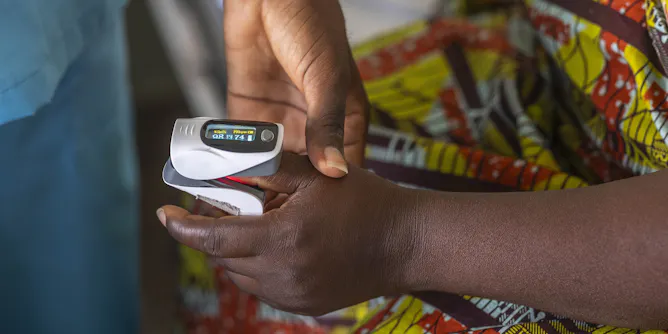
Research showed that older women used safer methods of abortion. Fully safe methods did not dominate in any region of Ghana.
Articles on Contraceptives
Displaying 1 - 20 of 42 articles
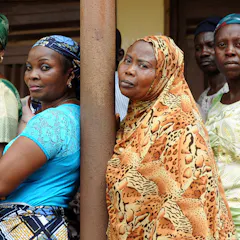
Unequal access to contraception poses risks to reproductive-age women, families and Nigeria’s development.

Appropriate interventions are needed to increase the use of long-acting reversible contraceptives in sub-Saharan Africa.

Women with disabilities can’t always make informed reproductive choices, and this can make them even more vulnerable.

Targeting sperm production without lowering testosterone will mean fewer side-effects for men.
Women who use an oral contraceptive might want to consider using a back-up method after starting a weight loss drug.

Contraceptive-users were three times more likely to experience a cryptogenic stroke.

Slinda is safe for women who are breastfeeding and also has a longer ‘missed pill’ window.
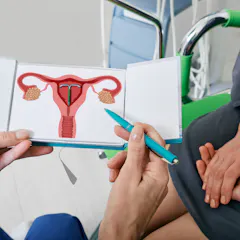
The contraceptive pill is responsible for preventing more cancers than it contributes to. Long-acting contraceptives seem to be as safe when it comes to cancer risk.
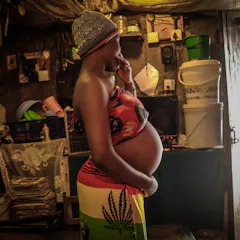
There’s a clear need for policies that improve healthcare access, reproductive health education, and support systems for young women.

For most, the benefits of being on the pill far outweigh the side effects.
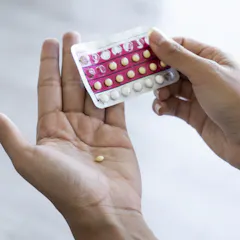
A neuroscientist explains how hormonal contraceptives work − and how stress may increase or decrease depression risk while on them.

Social media has transformed how we connect and communicate online — affecting even how we get health information.

With the approval of the first over-the-counter oral contraceptive, pharmacists stand to play an ever-increasing role in helping expand access to reproductive health care in the post-Roe era.

Eight countries are projected to be behind 50% of the growth in population over the next three decades. Five are in Africa.

Some states already allow pharmacists to provide birth control to patients with a prescription. But FDA approval of an over-the-counter birth control pill could greatly expand access.

Although the study found greater risk of blood clots for obese women taking the pill, the risk of developing one was still very low.

If you’re preparing to come off the pill, it’s hard to know what to expect, particularly if you’ve been on it for a long time.

Conservative Christians have cheered restrictions on some birth control. But many decades ago, Christian leaders’ support helped contraceptives become acceptable in the first place.

Any effects you might notice after stopping birth control are typically due to the return of your natural menstrual cycle.
Top contributors
-

Associate Professor in Contraception, Reproductive and Sexual Health, Anglia Ruskin University
-
Senior lecturer, York St John University
-
Associate Professor of Health Policy and Management, University of Pittsburgh
-
Associate Professor of Pharmacy and Therapeutics, University of Pittsburgh
-
Senior Research Fellow, Global and Women's Health, School of Public Health and Preventive Medicine, Monash University
-
Research Professor of Medicinal Chemistry and Associate Program Director of the Institute for Therapeutics Discovery and Development, University of Minnesota
-
Professor of Psychiatry, Monash University
-
Associate Professor of Otolaryngology, The Ohio State University
-
Finkel Professor of Global Health, Monash University
-
Professor of Medicinal Chemistry and Director of the Institute for Therapeutics Discovery and Development, University of Minnesota
-
Professor Speciality of Obstetrics, Gynaecology and Neonatology, University of Sydney
-
Senior Research Fellow, Jean Hailes Research Unit, School of Public Health & Preventive Medicine, Monash University
-
Professor of History and Gender Studies, Boise State University
-
Principal Scientist at the Institute for Therapeutics Discovery and Development, University of Minnesota
-
Data analyst, African Population and Health Research Center