
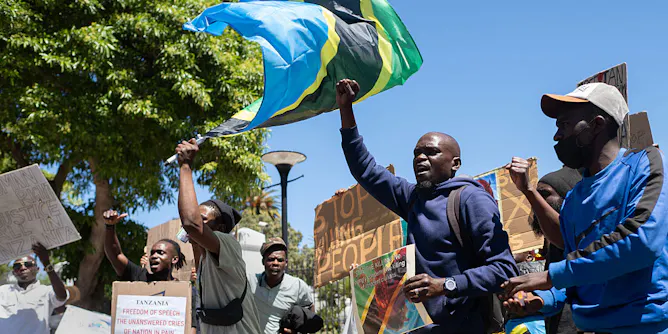
Tanzania’s October 29 protests were framed as an electoral dispute. Research links them to a deeper crisis of blocked adulthood among young people.
Articles on Commodity prices
Displaying all articles
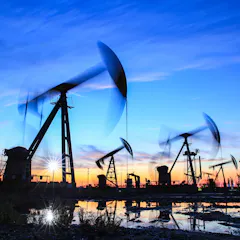
Oil exporters have made hay with high prices, but their environments have borne the costs.

History shows how conflicts can create uncertainty that can rattle financial markets. This could feed into consumer price inflation, keeping it higher for longer.
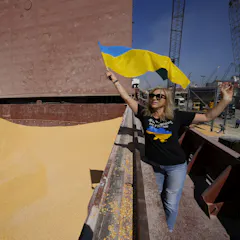
Russia’s move, which it followed by bombing the key port city of Odesa and threatening to attack any ship sailing for Ukraine, sent global food prices skyrocketing.

Falling gas prices led to declining interest and investment by oil and gas companies, squeezing out the supply sectors in the process.
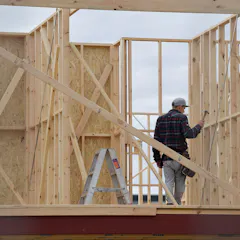
If you’re holding off on renovating until next year expecting prices to calm down, odds are you will be disappointed.
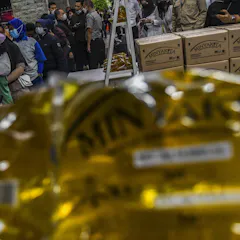
Indonesian government’s interventions in regulating prices and supplies for palm oil and its derivative products were short-lived and have instead created confusion.

The island nation is the latest economy to implode through mismanagement – for which the citizens will pay more than foreign creditors.
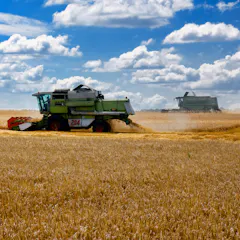
The Russian invasion of Ukraine will have global impacts far beyond the region directly involved in the fighting. Food prices will increase, and the effects will be felt by the most vulnerable.
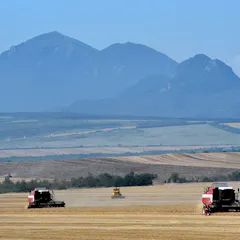
Every agricultural role-player is keeping an eye on the developments in the Black Sea region.
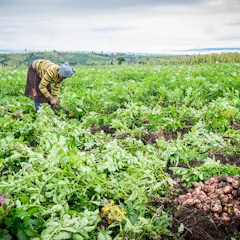
Poor and inconsistent pricing data makes it hard to assess agricultural markets.
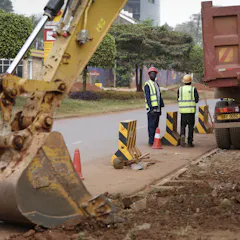
In coming years, Uganda’s GDP growth is set to accelerate as recent and ongoing public investments begin to yield returns.
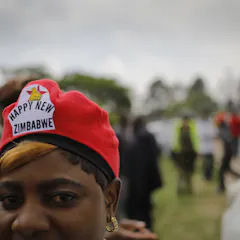
Zimbabwe has two lost decades to move on from. Fortunately, there are many ways out.
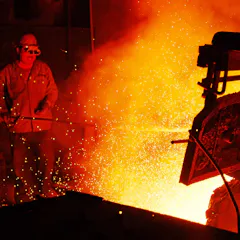
Politicians in Europe, the US and the UK have blamed steel industry woes on artificially cheap imports.

Rather than lifting investment, Australian businesses have chosen to return cash to shareholders in the form of record dividends and share buybacks.

South Africa’s economic challenges of 2016 are largely a reflection of its inability to change in the light of global shocks.
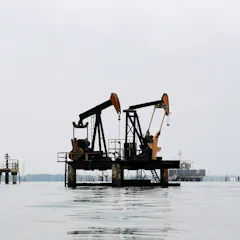
OPEC has been declared dead in recent months as the group of oil-exporters has been unable to agree on a plan to stabilize the market. But was it really ever alive in the first place?
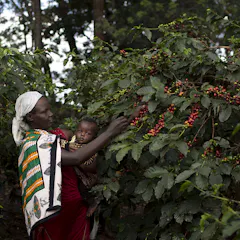
The downturn in the commodity boom will not automatically lead to diversification of Africa’s economies. This can only be achieved through a focus on creating learning economies driven by innovation.
Top contributors
-

Professor of Geography, Durham University
-
Associate Professor in Industrial Relations and Human Resource Management, University of Leeds
-
Senior Lecturer, Graduate School of Business Administration, University of the Witwatersrand
-
Senior Lecturer, and Deputy Associate Dean PGR, Faculty of Humanities, University of Manchester
-
Researcher, International Growth Centre
-
Professor of the Practice of International Development, Harvard Kennedy School
-
Postdoctoral Fellow, Center for Presidential History, Southern Methodist University
-
Professor, Finance, The University of Western Australia
-
Eugene M. Isenberg Chair in Integrative Studies, UMass Amherst
-
Professor of Economics, University of Glasgow
-
Lecturer, Department of Social & Policy Sciences Centre for Development Studies, University of Bath
-
Senior Fellow, Department of Agricultural Economics, Stellenbosch University
-
Researcher, Center for Indonesian Policy Studies
-
Professor of Economics, Centre for Competition, Regulation & Economic Development, UJ, and at SOAS University of London; advisor Shamba Centre for Food & Climate, University of Johannesburg
-
Lecturer in Business Law, University of Glasgow