
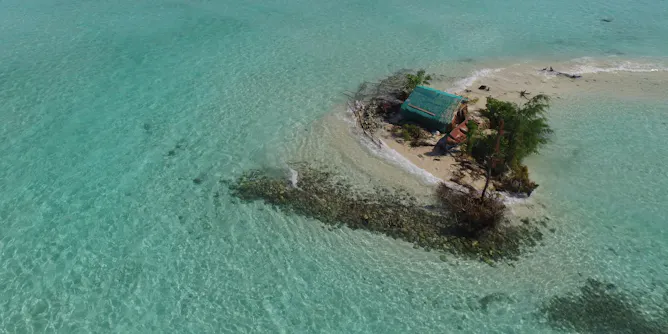
Rising seas are pushing coastal ecosystems to the limit of endurance. Now international research reveals a “tipping point” will be reached if we allow more than 2 degrees of global warming.
Articles on Coastlines
Displaying 21 - 40 of 53 articles
Coastlines need to be recognised as dynamic, shifting environments rather than as environments that need to be controlled and managed.
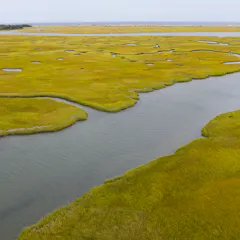
Mangroves and salt marshes pump out methane – but soak up carbon dioxide. Overall, the world’s coasts are a net greenhouse sink – and we must preserve them
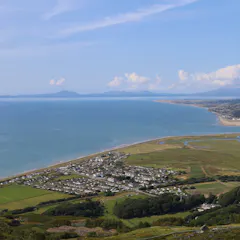
Fairbourne on the west coast of Wales is at risk from both rising sea levels and river flooding.
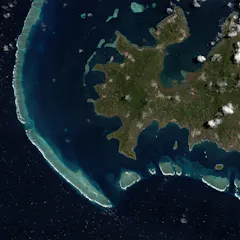
Mayotte is no exception to the adage “small islands, big problems”. A newly born volcano combined with poor land management and accelerating climate change has put its fabled lagoon at risk.

Moving entire communities threatened by rising seas isn’t as far-fetched as it sounds.
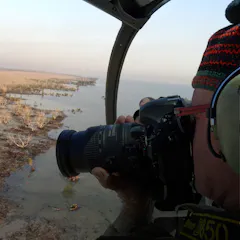
This event was the world’s worst incidence of mangrove tree deaths in recorded history. These photos show the devastating scale of this disaster.
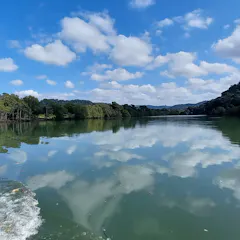
Estuaries shelter and offer respite to countless species of birds, fish and mammals.
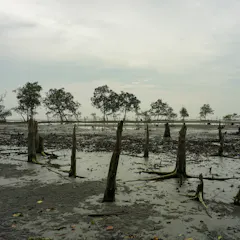
These crucial ecosystems are being battered by lots of different threats that are combining to make the matter worse.
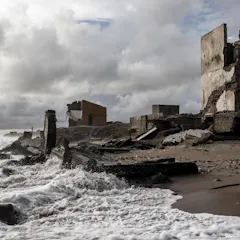
Coastal erosion in West Africa is a cause for global concern. The global community must rally to address climate change which is causing the retreat.

All nations must ramp up efforts to preserve and restore their coastal regions – and the time to start is right now.
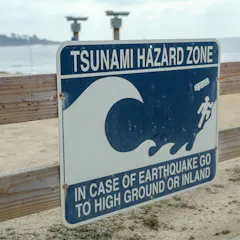
Tsunamis aren’t just bigger-than-average waves. Triggered by undersea earthquakes or volcanic eruptions like the one in Tonga, they are fast, massive and potentially destructive. Here’s why.
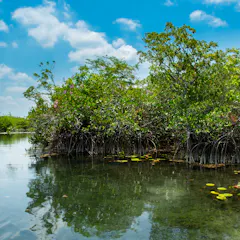
Mangroves grow in saltwater along tropical coastlines, but scientists have found them along a river in Mexico’s Yucatan, more than 100 miles from the sea. Climate change explains their shift.
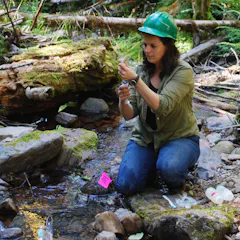
This kind of research, with consistent data collection at the same locations over time, helps support global understanding of climate change.

The Army Corps of Engineers is planning a sea wall 6 miles long and flood gates. The infrastructure might protect downtown from a hurricane storm surge, but most of the area will still be vulnerable.
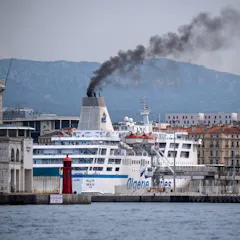
The Mediterranean region, with its biodiversity, climate, demographics, and economic activities such as tourism, agriculture and fisheries, is particularly vulnerable to environmental risks.
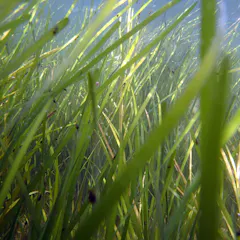
Healthy seagrasses form underwater meadows teeming with fish and shellfish. A successful large-scale restoration project in Virginia could become a model for reseeding damaged seagrass beds worldwide.
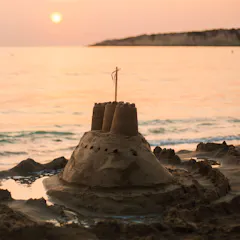
Sea levels could be two metres higher by 2100. How will our relationship to the drowned coast change?

A new study estimates that mangroves prevent over $65 billion in damage from coastal storms every year, and says mangrove protection should be funded in the same way as infrastructure like seawalls.
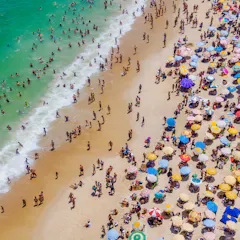
Sandy beaches are densely populated and occupy more than one third of the global coastline.
Top contributors
-

Professor, The University of Queensland
-
AXA Chair in Coastal Resilience & Research Professor, University of California, Santa Cruz
-
Professor of Physical Geography, University of the Witwatersrand
-
Architecte, Labex AE&CC, Ecole Nationale Supérieure d’Architecture de Grenoble, Conservatoire national des arts et métiers (CNAM)
-
Professor of Oceanography and Coastal Science and Executive Director, Louisiana Sea Grant, Louisiana State University
-
CSIRO Research Group Leader Ecosystem Modelling and Risk Assessment, CSIRO
-
Enterprise Fellow, The University of Melbourne
-
Senior Lecturer in Tourism Management, University of Lancashire
-
Senior Principal Research Scientist, CSIRO
-
Centre for Coastal and Marine Resources Studies IPB
-
Lecturer in Sustainable Futures, University of St Andrews
-
Professor of Physical Oceanography, Institute for Marine and Antarctic Studies, University of Tasmania
-
Communication Manager - CSIRO Oceans and Atmosphere, CSIRO
-
Chief of Natural Sciences, Bangkok office, Unesco
-
Professor of Environmental Ethics and Philosophy, Oregon State University