
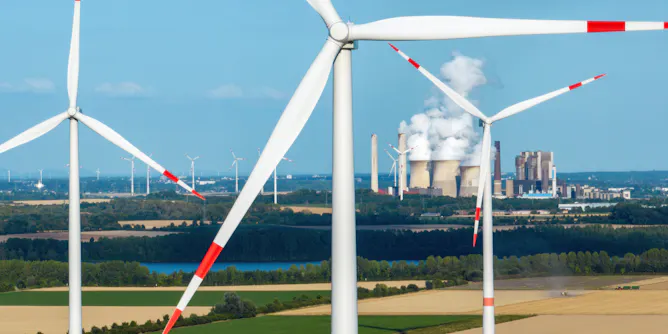
The good news is the world’s coal use has peaked – and will soon rapidly decline. Australia is leading the way, and the rest of the world must soon follow.
Articles on Coal-fired power stations
Displaying 21 - 40 of 71 articles
If all countries in the world followed Indonesia’s target, the global temperature would rise by 4°C by 2050.

Australia’s governments have agreed to impose caps on the wholesale domestic price of coal and gas. How much it will help is debatable.
Privatising electricity assets was thought to be good for taxpayers. But it has made the transition to renewables much harder.
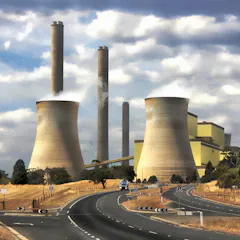
Loy Yang A power station burns brown coal – an inefficient source of electricity that doesn’t stand a chance competing against renewables.
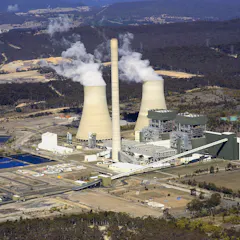
Paying coal-fired power stations to stay open means consumers will be picking up the cost when they ultimately fail.
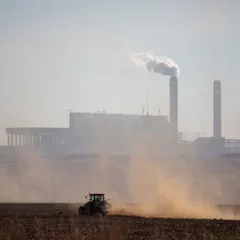
Johannesburg occasionally smells like rotten eggs. The wind brings the smell from the east or the southeast, where most industries are located.

Mike Cannon-Brookes has blocked AGL’s demerger – for now. But can he force it to accelerate the closure of its coal and gas-fired power stations?
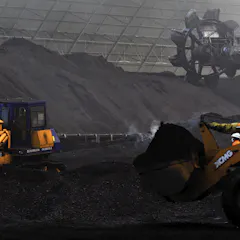
The late implementation of the coal retirement program also increases the risk of stranded assets in Indonesian coal facilities.
Any climate gains from Japan’s shift will be wiped out entirely unless Australia moves to zero-emissions ammonia production.
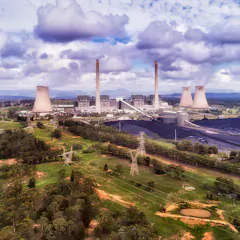
Grattan Institute analysis shows it’s possible to achieve a vastly lower-emissions electricity system in less than two decades – if governments can muster the courage.

Stabilising Earth’s climate depends on a lot more than deals struck at conferences like Glasgow. But those agreements set a frame for real-world decisions.
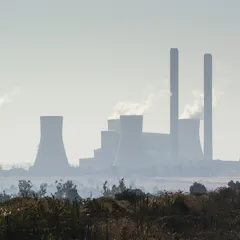
To improve air quality, a combination of efforts is needed including reducing Eskom’s emissions, investing in cleaner sources of energy, and reducing emissions.
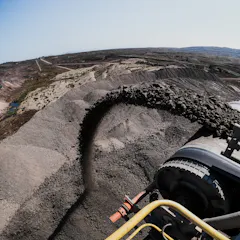
Major research found Australia must keep 95% of coal in the ground to limit global warming. With a little political will, this would be easy to do.
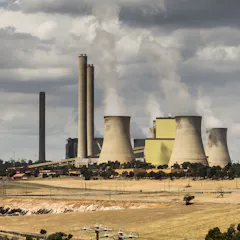
Major coal generators say the proposal will help shore up energy supplies. But opponents say it will pay coal plants for simply existing and delay the clean energy transition.
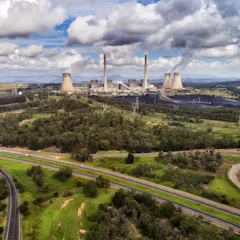
New research found power stations in the Latrobe Valley emit around 10 times more mercury than power stations in the Hunter Valley. The stark difference has a lot to do with regulations.
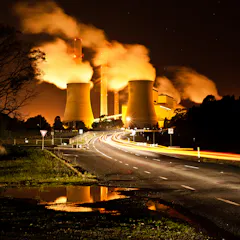
A proposal to change the way electricity generators and retailers strike contracts for electricity would be bad for both consumers and climate action.
Electricity emissions can be cut to net-zero while keeping the lights on and prices down. But achieving that quickly means keeping gas around, for now.

What was a feature of power stations such as Yallourn has become a bug.
Yallourn power station, Australia’s oldest and dirtiest coal plant, will close four years ahead of schedule. Without a national policy, coal workers are left dangerously exposed.
Top contributors
-

Associate Professor of Economics, Griffith University
-
Professor, Crawford School of Public Policy and Director, Centre for Climate and Energy Policy, Australian National University
-
Professor and Director, Victoria Energy Policy Centre, Victoria University
-
Associate Professor, Griffith University
-
Senior Fellow in Energy and Climate Change, Grattan Institute
-
Research Affiliate, Sydney Environment Institute, University of Sydney
-
Associate Professor, University of Pretoria
-
Associate, Grattan Institute
-
Professor and Associate Dean (Education), University of Nottingham
-
Professor of Public Policy, Crawford School of Public Policy, Australian National University
-
Emeritus professor, Australian National University
-
Professorial Fellow, University of Canberra
-
Professor, School of Economics, The University of Queensland
-
Adjunct Professor, University of Technology Sydney
-
Program Director, Energy and Climate Change, Grattan Institute