

Plus new research on why China is closing down coal-fired power stations. Listen to episode 3 of The Conversation Weekly.
Articles on Coal-fired power stations
Displaying 41 - 60 of 71 articles
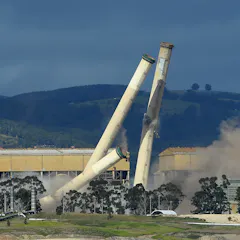
The end of coal-fired generation in Australia is inevitable. But the federal government can do more to ensure an orderly transition to renewables – avoiding price spikes and supporting workers.

If Canada began to reduce its greenhouse gas emissions by about four per cent per year, we could still meet our 2030 climate targets.
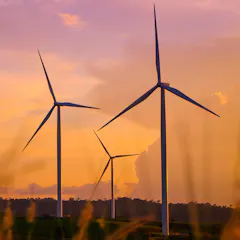
While much of the world moves towards zero-carbon economies, a NSW mega-plan for new renewables may set up the state as an energy superpower.

The Japanese government will retire its fleet of old, inefficient coal-fired generation by 2030. If Japan’s commitment to coal weakens, our exports can expect a big hit.
Better energy efficiency lowers electricity bills, manages energy demand and helps the climate. Unfortunately, Australia is going nowhere on this cheap, simple measure.
The rules governing Australia’s electricity market are more than 20 years old and no longer serve consumers, or climate action. But big energy companies are using COVID-19 to delay reform.
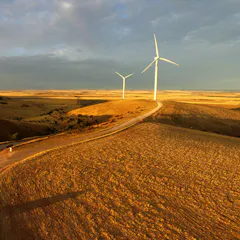
Emissions from Australia’s electricity sector have dropped markedly during the pandemic.
But a recession could cloud the renewables outlook.
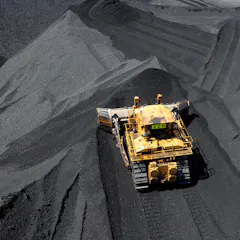
It’s more freshwater than what the population of the Greater Sydney region uses, but finding this out wasn’t easy.
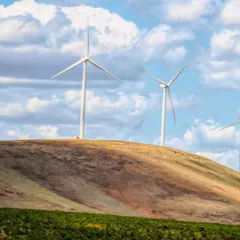
The federal government is spending $94 million to buy cheap oil. Instead, Australia should use the money to manufacture our own energy.
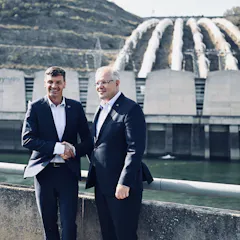
For the next couple of decades, Snowy 2.0 will in fact store coal-fired electricity, not renewable electricity.
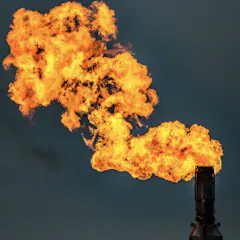
The benefits of gas-fired power are badly overstated, and will take Australia further in the wrong direction on climate change.
After a decade of rising electricity bills, prices are projected to fall thanks to new renewable generation.
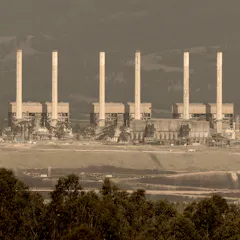
We have quantified the effects of twelve power station closures in five states. Local unemployment shoots up and comes down only slowly.
Summer is here and the chance of blackouts is higher than normal. But the cause is unlikely to be the power station. The problem is usually much closer to home – in the local poles and wires.
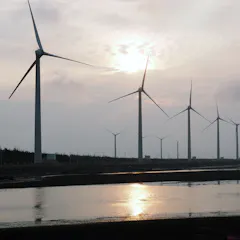
South Australia’s energy prices have gone up as more renewables entered the market – but prices would have gone up even more without them.
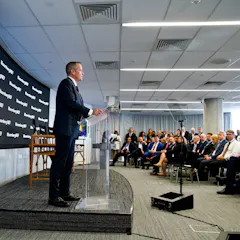
The Labor Party’s newly announced energy policy could finally set Australia’s electricity sector on the path to a renewables-driven future. But policies are still needed to cut emissions elsewhere.
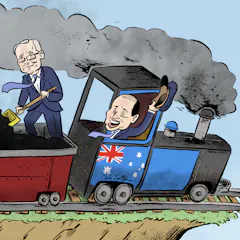
The federal government’s the stubborn commitment to coal is pulling the government’s economic policy towards the sort of state socialism it is supposed to abhor.
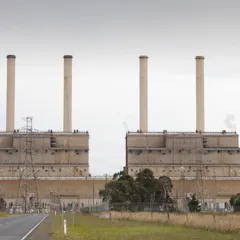
An international report has found there’s no future for Australia’s coal exports.
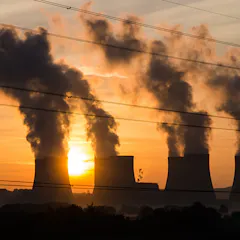
Australia needs to accelerate its transition to clean energy, and not prolong the use of high-polluting, coal-fired infrastructure. Otherwise it risks missing out on an economic windfall.
Top contributors
-

Associate Professor of Economics, Griffith University
-
Professor, Crawford School of Public Policy and Director, Centre for Climate and Energy Policy, Australian National University
-
Professor and Director, Victoria Energy Policy Centre, Victoria University
-
Associate Professor, Griffith University
-
Senior Fellow in Energy and Climate Change, Grattan Institute
-
Research Affiliate, Sydney Environment Institute, University of Sydney
-
Associate Professor, University of Pretoria
-
Associate, Grattan Institute
-
Professor and Associate Dean (Education), University of Nottingham
-
Professor of Public Policy, Crawford School of Public Policy, Australian National University
-
Emeritus professor, Australian National University
-
Professorial Fellow, University of Canberra
-
Professor, School of Economics, The University of Queensland
-
Adjunct Professor, University of Technology Sydney
-
Program Director, Energy and Climate Change, Grattan Institute