
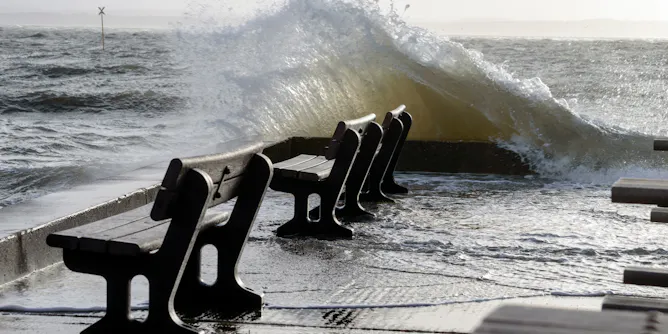
For every ten centimetres of sea level rise, the chances of a 100-year coastal flood increase three-fold. This means we’ll have to build flood defenses or retreat from the coast.
Articles on Climate Explained
Displaying 41 - 59 of 59 articles

Discussions about climate change often skirt around the issue of population growth, but it is the main driver of rising carbon dioxide levels and many other environmental changes on a planetary scale.

The atmosphere of Mars is more than 96% carbon dioxide, but the planet is cold because its atmosphere is extremely thin, very dry and further away from the Sun.
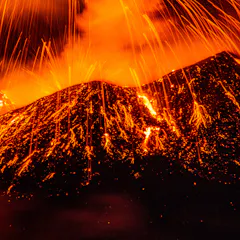
There is evidence for catastrophic climate change from protracted volcanic eruptions in the past, but since the 1950s the emissions we produce far exceed those from volcanic activity.
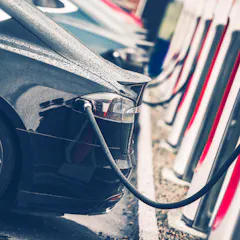
In New Zealand, where more than 80% of electricity is renewable, the carbon footprint of electric cars is 62% lower than that of fossil cars. But their lithium battery has other environmental impacts.

People are more likely to deny climate change if they’re inclined toward hierarchy, have lower levels of education or are more religious. But the strongest predictor of denial is a person’s politics.

Individual actions to reduce emissions are important in two ways. First, they have an immediate impact, and secondly, adopting low-carbon life choices sends a clear message to political leaders.
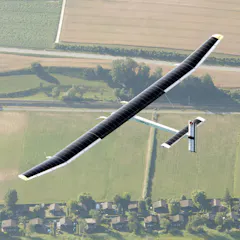
Unlike a car, you can’t just stick a battery-powered engine in a plane and expect it to fly. Despite that, small planes might be the future of electric flight.

Vehicle emissions and industrial facilities are contributing to climate change, but many conservatives don’t believe it.
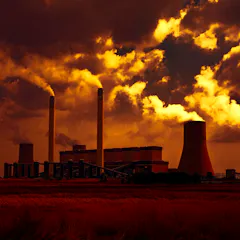
More and more evidence has accumulated which shows that changes in global and regional climate over the last 50 years are almost entirely due to human influence.
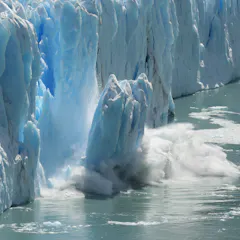
For the past two and a half million years, Earth has experienced regular ice ages, but with carbon dioxide levels now over 400 parts per million, the next ice age is postponed for a very long time.

Planting any tree is more important than planting a particular tree when it comes to removing carbon dioxide from the atmosphere.
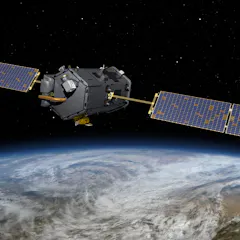
Carbon dioxide makes up less than one-twentieth of 1% of Earth’s atmosphere. How does this relatively scarce gas control Earth’s thermostat?
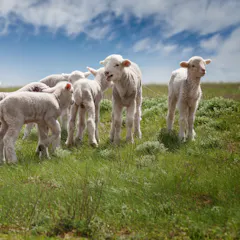
Regenerative agriculture has the potential to build production and reducing pollution, but it needs a clearer definition.
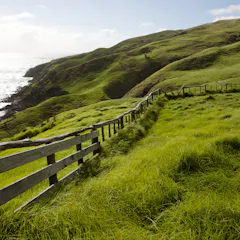
All plants take up carbon dioxide when they grow, but when they are harvested or cut down, they release the greenhouse gas back into the atmosphere.

Traditional market transactions ignore the costs of greenhouse gas emissions. An emissions trading scheme is a tool to put a price on emissions and to influence us to choose lower-emission options.
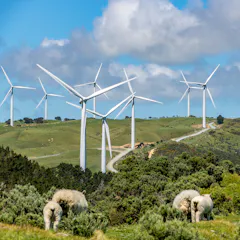
New Zealand is small and generates a tiny fraction of global greenhouse gas emissions, but investment in cutting emissions is important and could influence other, larger countries.
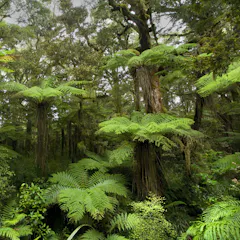
Plants live off carbon dioxide, but a higher level of the greenhouse gas in the air doesn’t necessarily lead to more biomass production.

Do you have a question about climate change? This collaboration between The Conversation, Stuff and the New Zealand Science Media Centre gives you the chance to ask – and we’ll provide expert answers.
Top contributors
-

Professor of Environmental Science, Auckland University of Technology
-
Professor in Applied Mathematics, Te Kunenga ki Pūrehuroa – Massey University
-
Professor of Geology, Auckland University of Technology
-
Professor of Physical Geography (Climate Science), Te Herenga Waka — Victoria University of Wellington
-
Emeritus Professor, Energy and Climate Mitigation, Te Kunenga ki Pūrehuroa – Massey University
-
Professor Environment and Health, University of Otago
-
Adjunct Professor, University of Queensland, and Professor and Head of School of Earth and Environment, University of Canterbury
-
Professor of Human Geography, University of Canterbury
-
Professor of Atmospheric Chemistry, University of Canterbury
-
Adjunct professor, University of Auckland, Waipapa Taumata Rau
-
Associate Professor in Environmental Studies, Te Herenga Waka — Victoria University of Wellington
-
Professor of Geography, School of People, Environment and Planning, Te Kunenga ki Pūrehuroa – Massey University
-
Matthew Flinders Professor of Global Ecology and Node Leader in the ARC Centre of Excellence for Indigenous and Environmental Histories and Futures, Flinders University
-
Executive Dean (Engineering), Edith Cowan University
-
Professor of Marketing and Consumer Behaviour, Queensland University of Technology