
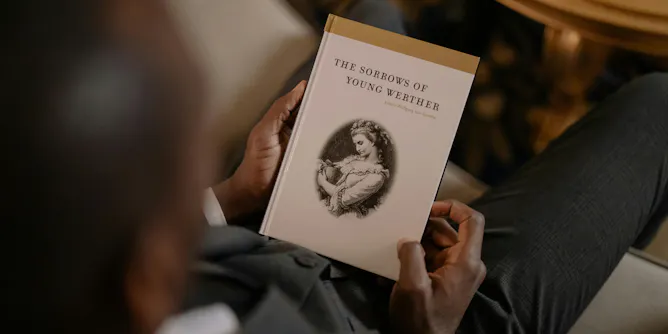
School can turn classic books into a chore. Rereading Eliot or Austen or Shakespeare as we grow older, we can see how we have grown as imaginative, moral beings.
Articles on Classical literature
Displaying all articles
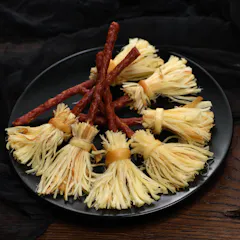
For hundreds of years, magicians believed cheese could help them foretell the future or identify a criminal.

In The Water Margin, first put to paper in the 14th century, local injustice is the rule, and defence against cruel local authority is a matter of vengeance, stratagem, and violence
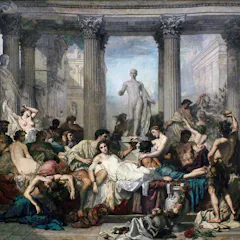
Juvenal wrote 16 satires, divided into five books, each with their own target from decadent aristocrats to Egyptian cannibals.
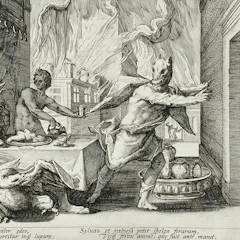
The earliest surviving example of man-to-wolf transformation is found in The Epic of Gilgamesh, from around 2,100 BC. But the werewolf as we now know it first appeared in ancient Greece and Rome.
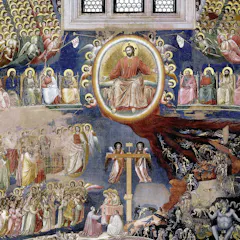
The gates to hell in Dante Alighieri’s Divine Comedy tell us to “abandon all hope, yet who enter here”. Despite its unfunny premise, ‘La Commedia’ ends well, with its protagonist Dante reaching heaven.
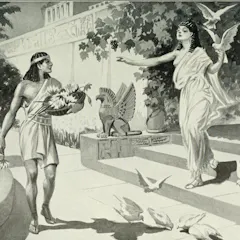
Love, it is said, is a battlefield, and it was no more so than for the first goddess of love and war, Ishtar. Her legend has influenced cultural archetypes from Aphrodite to Wonder Woman.
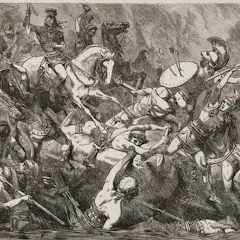
As populism reemerges, Thucydides’s insights into the power of words to influence public sentiments remain acutely up-to-date.
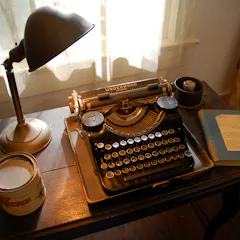
Writers have tried pretty much anything to make ends meet: advertising, journalism, butterfly collecting, working as a janitor or a postal clerk.
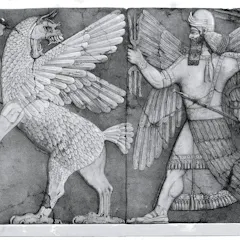
From environmentalism to the meaning of life, the themes of the world’s most ancient epic are still remarkably relevant to modern readers.
Top contributors
-

Honorary Research Associate, Department of Classics and Ancient History, University of Sydney
-
Associate lecturer, Macquarie University
-
Associate Professor in Writing Studies, Discipline of English and Writing, University of Sydney
-
Professor in Politics and Journalism, University of Notre Dame Australia
-
Professor, Department of Classics and Ancient History, University of Sydney
-
Associate Professor in Chinese Studies, University of Sydney
-
Postdo, University of Exeter
-
Senior Lecturer in Classics, University of Sydney
-
Associate Professor, Literature, Western Civilisation Program, Australian Catholic University