
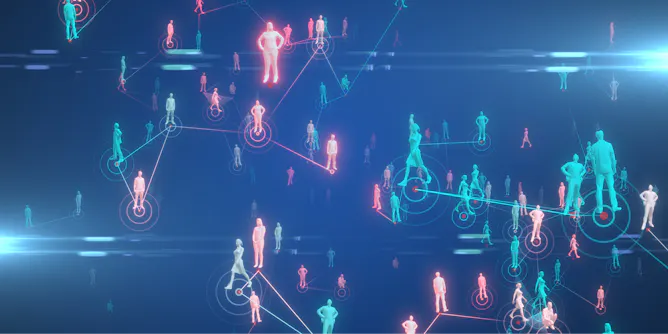
The government of Ontario’s announcement of funding of a wearable contact tracking device for workplaces raises concerns about privacy and surveillance.
Articles on Civil liberties
Displaying 21 - 40 of 50 articles
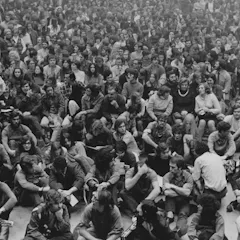
A new book argues that the War Measures Act was a response to the threat young people posed to authorities.
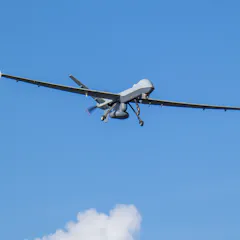
Avoiding drones’ prying eyes can be as complicated as donning a high-tech hoodie and as simple as ducking under a tree.

As compulsory testing and more restrictive quarantine rules are being considered, it is critical these measures are properly communicated and used with restraint.
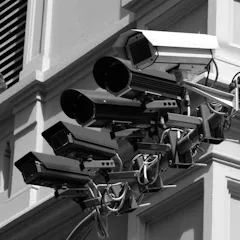
Police forces across the country now have access to surveillance technologies that were recently available only to national intelligence services. The digitization of bias and abuse of power followed.

Civil liberties violations look very different in pandemics. That’s why the Canadian Civil Liberties Association is looking into who has been detained and fined, and why, during the pandemic.
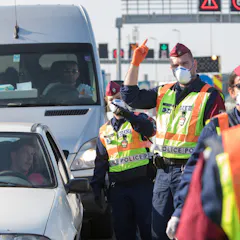
National emergencies allow for the purest expressions of sovereign power, testing the government’s commitment to human rights. Some leaders are failing the coronavirus test, experts say.

A new report estimates that by 2050, 40 per cent of all infections will be resistant to antimicrobial treatment. This will directly cause 13,700 previously preventable deaths.

If you thought police surveillance was mere CCTV, it’s time to catch up on what’s happening on the other side of the lens.

When it comes to ongoing security co-operation, mutual trust is crucial – but that is currently lacking.

The invasion of privacy through online surveillance can make people ignore the civil rights of others.
Michelle Grattan speaks to Deep Saini about the week in politics.
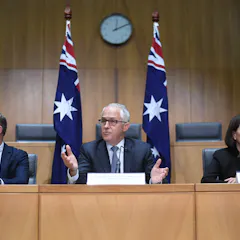
In the main the public have accepted the world has changed, justifying altering the balance between security and rights. But there is still argument over precisely where lines should be drawn.

France has been living under a a state of emergency for nearly two years. The president now wants to make some of its most controversial elements permanent law.

For Trump, putting America first means that being a global leader on human rights may take a back seat.

As searches of smartphones and other digital devices at US borders become more common, can research and computer science help protect travelers’ privacy?
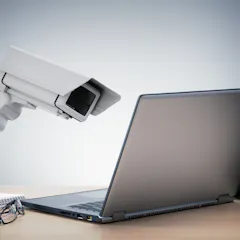
Are we seeing Orwell’s dystopian vision of 1984 coming to fruition?

An abundance of natural resources has helped Kazakhstan attract billions in investments. Despite its booming economy, the government is unlikely to move towards democracy any time soon.
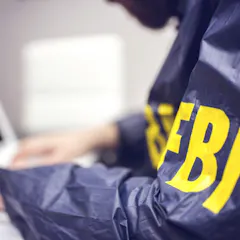
We don’t expect our own government to hack our email – but it’s happening, in secret, and if current court cases go badly, we may never know how often.

If a computer search would qualify for a warrant if its whereabouts were known, why should simply hiding its location make it legally unsearchable?
Top contributors
-

Professor of Law, University of Waikato
-
Professorial Fellow, University of Canberra
-
Lecturer in Mathematics, Monash University
-
Senior Research Associate, Andrew & Renata Kaldor Centre for International Refugee Law, UNSW Law School, UNSW
-
Senior Lecturer in Criminology, Manchester Metropolitan University
-
Adjunct professor, Edith Cowan University
-
Sessional Academic, School of Social Sciences, Macquarie University
-
Reader in Journalism, City St George's, University of London
-
Associate Professor, School of Arts and Humanities, Edith Cowan University
-
Senior Lecturer in Communication and Media, University of Sydney
-
Assistant researcher, University of Sydney
-
Professor of International Affairs, Penn State
-
Assistant professor, KIMEP University
-
Vice-Chancellor and President, University of Canberra
-
Lecturer and Teacher, Department of Politics and International Relations, Cardiff University