
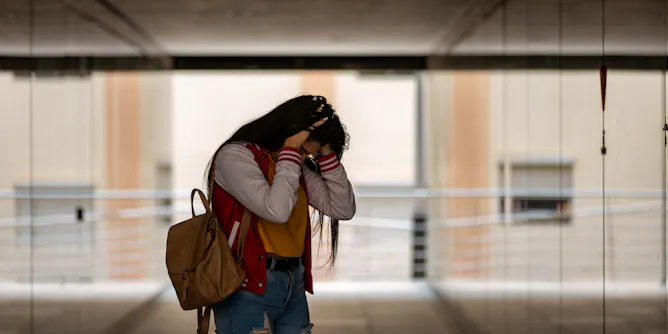
Whether students feel pressure to get good grades or keep up with classmates, the anxiety this effort produces can have long-term effects on their brains.
Articles on Chronic stress
Displaying 1 - 20 of 33 articles

Limits on healthcare for undocumented women are reshaping pregnancy and family health.
A high-pressure work environment can exacerbate headaches, but taking steps to manage stress throughout the day can help.

A new study finds that dogs’ mitigation of human stress is more biologically complex than scientists previously understood.

After a natural disaster, survivors often suffer from prolonged trauma for years to come, particularly in places where mental health services are few and far between.
Even small lifestyle changes – such as more social interaction and a better diet – can help reduce stress.

Stress isn’t inherently bad – it’s a survival tool. But when it becomes chronic, it can have lasting effects on our physical and mental health.

Perseverance helps people achieve goals and is linked with well-being. But combined with chronic societal stressors, it can lead to cognitive overload that puts a strain on brain health.
People who suffer from everyday discrimination are more likely to have anxiety and depression.

No one can escape stress, but sometimes it takes a physical and emotional toll that translates to disease and other health effects. The good news is that there are new approaches to treating it.

Oral contraceptives modify the menstrual cycle. What’s less well known is that they also reach the brain, particularly the regions important for regulating emotions.

Chronic stress from living with systemic racism and gun violence can lead to increased symptoms of PTSD and depression as well as elevated cortisol levels.
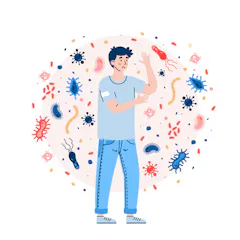
While the immune system naturally gets weaker with age, social stressors like trauma and discrimination can hasten immunosenescence.

The science of stress explains why parenting during the pandemic feels so hard. Here are strategies from psychologists for taking back control when you dread yet another challenging day ahead.

Having strong social support and a sense of belonging buffered and even reversed some of the harmful effects of stress on genes.

Lifestyle medicine targets the root of chronic diseases like obesity, heart disease and diabetes. Experts explain why everyone should embrace these free prescriptions for good health.

University students had high rates of mental health issues before the pandemic. The additional stressors of COVID-19 and social isolation will make them even more vulnerable over the winter.
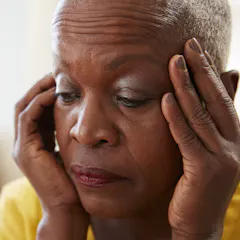
A landmark study shows chronic stress from racism can lead to loss of brain function in African American women.

Itchy skin? More aches and pains? Unusual rash? Headaches? Pimples? If you’ve been experiencing unusual physical symptoms recently, the stress of the COVID-19 pandemic may be the reason.

Physical activity can help people manage the stress of COVID-19, but closures and distancing have made it even harder to exercise. These researchers are developing a free toolkit to help us all cope.
Top contributors
-

Associate Professor at McMaster University and Author of Move the Body, Heal the Mind, McMaster University
-
Professor of Breast Cancer Research, Institute of Health and Biomedical Innovation and School of Biomedical Sciences,, Queensland University of Technology
-
Associate Professor (Adj) He/Him, Southern Cross University
-
Associate Professor of Family & Community Medicine and Pediatrics, retired, University of California, San Francisco
-
Adjunct Associate Professor, Cancer Nursing Research Unit, University of Sydney
-
Researcher in Social Epidemiology, University of York
-
Professor, School of Public Health and Social Work, Queensland University of Technology
-
Associate Professor of Psychology and Psychiatry, USC Dornsife College of Letters, Arts and Sciences
-
NHMRC Career Development Fellow, Diamantina Institute, The University of Queensland
-
Lecturer in Health, The Open University
-
Lecturer in Sociology, University of Oxford
-
Professor of Clinical Psychology, University of Liverpool
-
Postdoctoral Scholar at the Center for U.S.-Mexican Studies, University of California, San Diego
-
PhD Candidate in Immunology, The University of Queensland
-
University of Oxford