
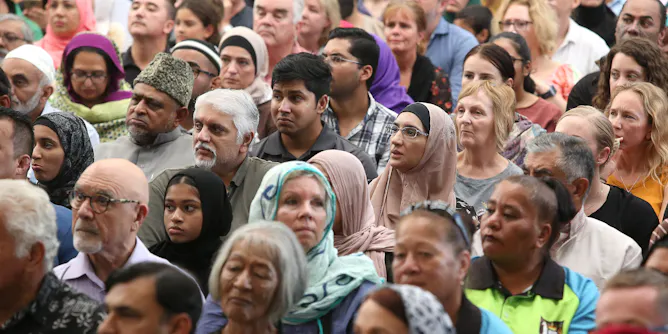
New Zealand’s response to the Christchurch terror attacks reinforced an image of an inclusive society, but we still have work to do.
Articles on Christchurch Mosque shootings
Displaying 21 - 40 of 64 articles
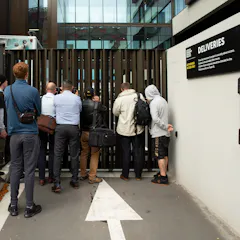
The alleged perpetrator of the Christchurch terror attacks faces 50 charges of murder and 39 of attempted murder. His court appearance raises several issues, including whether media should name him.
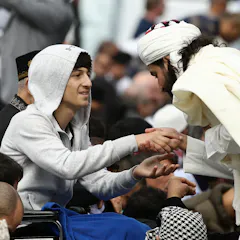
Many New Zealanders responded to the Christchurch terror attack with displays of unity and openness, and research into attitudes shows that tolerance is a widely held value.
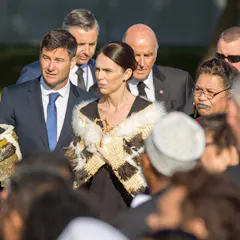
New Zealand’s gun lobby presents licensed gun owners as sensible and responsible, but the response to gun law changes reveals an aggressive online culture.
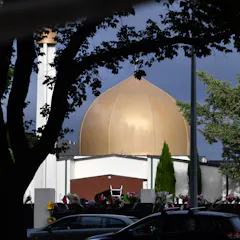
Under New Zealand law, murder is the most serious charge available to prosecutors. The Christchurch terror attack raises the issue of how murder should be defined to reflect hate crimes.
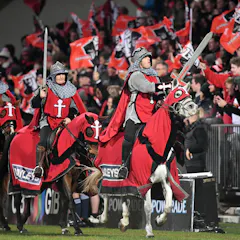
The Crusaders rugby club has been embroiled in debate about its branding as the imagery, once widely used in New Zealand, has become embarrassing, even repugnant, following the Christchurch attack.

In the weeks and months following mass trauma, such as the shootings in Christchurch, participating in physical activity can help individuals and communities deal with stress, anxiety and grief.
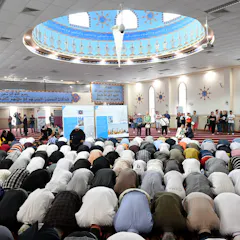
Muslims need places where they feel safe from Islamophobia. And being made to feel unwelcome has lasting impacts – Muslims still avoid Cronulla beach, the scene of anti-Muslim riots in 2005.
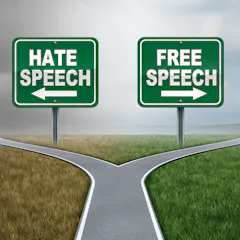
As countries are calling for laws to control extremism online, it is becoming clear that defining the line between hate speech and free speech is a complex challenge.
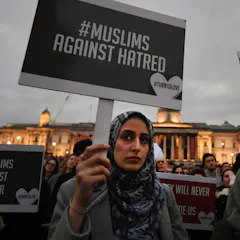
Research shows that one way of challenging racism is to bring people together and to allow those who experience it to share their stories.

National regulation of free speech should be by governments, and not corporations, in order to be democratic.

With new laws proposed, Australian leaders now seem prepared to move beyond just blaming technology for its role in online violence and extremism.
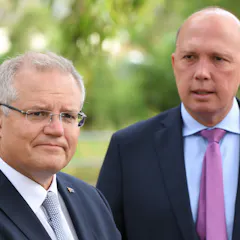
Under the plan, it would not be just the companies that faced heavy penalties but individual executives based in Australia could be found personally liable.
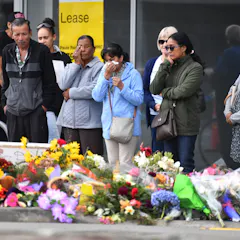
Christchurch is now inextricably associated with the mass shootings at two mosques in which 50 people died. So what can a city do when its name become synonymous with such an event?
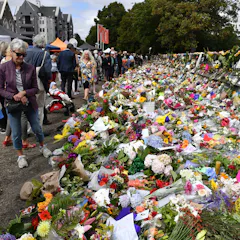
The arguments of far right commentators who conflate Islam with extremism are flawed. In the rich and complex tradition of Islam, extremists are a small minority who often target other Muslims.
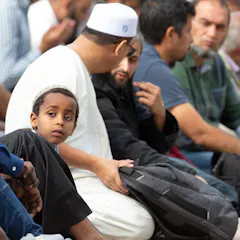
Some of the earliest Muslims to settle in Christchurch during the 19th century have helped in the construction of Christchurch Cathedral and are part of the city’s history of Christianity.
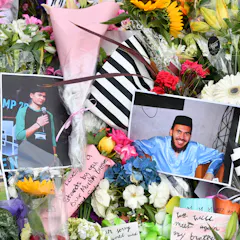
At a time when we could expect anger, vengeance and resentment to take hold in a community so demolished by violence, Professor Mohamad Abdalla visited victims and found compassion and forgiveness.
Deep Saini talks about the week in politics with Michelle Grattan.
New Zealand’s ban on semi-automatic weapons and assault firearms is one small step in a country that will need to address gaps in its security approach.

As Muslims across New Zealand return to mosques and to work, employers and organisations can support their grieving process.
Top contributors
-

Professor of Law, Auckland University of Technology
-
Professorial Fellow, University of Canberra
-
Professor of Law, University of Waikato
-
Distinguished Professor, College of Humanities and Social Sciences, Te Kunenga ki Pūrehuroa – Massey University
-
Senior Lecturer, New Zealand Institute for Security and Crime Science, University of Waikato
-
Teaching Fellow, Te Kunenga ki Pūrehuroa – Massey University
-
Director, Institute for Governance and Policy Studies, Te Herenga Waka — Victoria University of Wellington
-
Associate Professor, Cultural Anthropology, Australian National University
-
Associate Professor of Political Science, Brock University
-
Research Fellow, University of Waikato
-
Associate Professor, Terrorism and Security Studies, Charles Sturt University
-
Director of the Roy McKenzie Centre for the Study of Families and Children, Te Herenga Waka — Victoria University of Wellington
-
Professor of Diversity and University Director of Diversity, Auckland University of Technology
-
Associate Professor in Urban Geography, University of Sydney
-
Senior Lecturer in Religious Studies, Te Herenga Waka — Victoria University of Wellington