
Kiwis are using artificial intelligence in growing numbers, but trust is low. Could the push toward safer, more responsible AI offer NZ an economic opportunity?
Articles on Christchurch Call
Displaying all articles
Many digital services currently hosted on social media platforms are critical to democracy. Governments must build alternative infrastructures that allow citizens to control their own data.
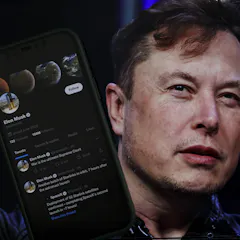
Radical change at Twitter shows how quickly strategies and values can shift in Big Tech. New Zealand needs to be less reliant on overseas solutions for its own digital infrastructure plans.

As Friday’s attack by an ISIS sympathiser in a New Zealand supermarket shows, ISIS’s extreme ideology still holds strong appeal for some disaffected Muslims living in the west.

Social media algorithms are akin to a licence to promote junk food or tobacco to children.
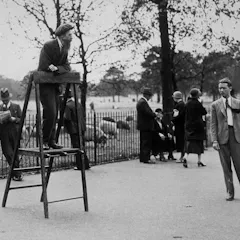
A scholar who has reviewed the efforts of nations around the world to protect their citizens from foreign interference says there is no magic solution, but there’s plenty to learn and do.

The US, Russia and China haven’t backed the NZ-led Christchurch Call to crackdown on online extremism. Without them, and key non-western media, the initiative is unlikely to make enough difference.

My assessment is that there are about 150 to 300 core right-wing activists in New Zealand. This might sound modest – but proportionate to population, it’s similar to extremist numbers in Germany.

Dozens of countries and hundreds of firms and nonprofits are fed up with digital violence and are working toward greater cybersecurity for all.
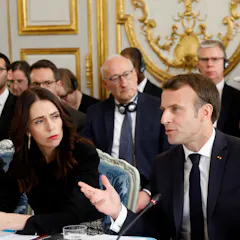
While the “Christchurch Call” summit has made concrete progress, we need to keep up the pressure on social media companies to become more transparent and accountable.
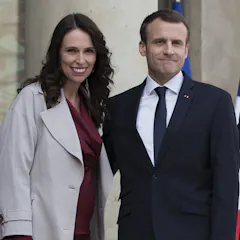
Being seen to lead is clearly an important political aspect of managing online content. But internet regulation must focus on creating policy that is clear, accountable, balanced and open to appeals.
Top contributors
-

Professor of Business Law and Ethics, Indiana University
-
Senior Lecturer, New Zealand Institute for Security and Crime Science, University of Waikato
-
Professor of Informatics and Chair in Complexity Science, Te Herenga Waka — Victoria University of Wellington
-
Senior Lecturer in Media Studies, School of Humanities, Media and Creative Communication, Te Kunenga ki Pūrehuroa – Massey University
-
Senior Lecturer in Artificial Intelligence, Te Herenga Waka — Victoria University of Wellington
-
Associate Professor of Psychology, Te Kunenga ki Pūrehuroa – Massey University
-
Senior Lecturer (Communication) and Asst. Dean (AI for Teaching & Learning) Te Pūtahi Mātauranga | The Faculty of Arts and Education, University of Auckland, Waipapa Taumata Rau
-
Distinguished Professor, College of Humanities and Social Sciences, Te Kunenga ki Pūrehuroa – Massey University
-
Senior Lecturer in Media, Film, and Communication, University of Otago
-
Adjunct Senior Lecturer, Edith Cowan University
-
Professor specialising in Internet law, Bond University