
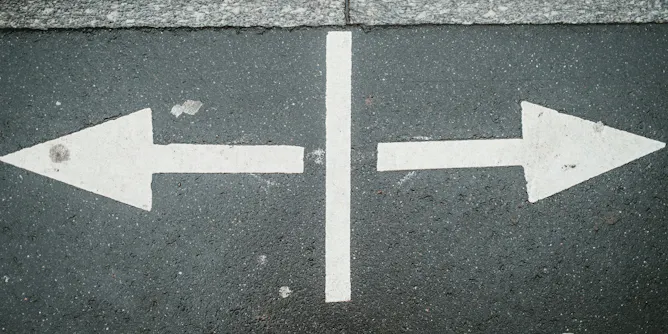
Big decisions are messier than they look, but there are things you can try before taking the leap – or not.
Articles on Choices
Displaying all articles
Many philosophers have noticed the similarities between environmental damage and the puzzle of the self-torturer.

The technology is always on call and is quite competent. But it lacks the contemplation and attention to detail that yield great works of art.

Context, perceptions and expectations affect the choices both bees and people make.

Smartphone cameras tend to be more advanced than their clunky, point-and-shoot predecessors. But the allure of cameras from the early 2000s reflects a broader search for meaning.

People tend to dislike uncertainty and risk – two things that are hard to avoid completely during a pandemic. That’s part of why it can feel especially draining to make even small decisions these days.

Cognitive scientists are investigating the ways relative factors like new options and the order they’re presented influence your choices and beliefs.
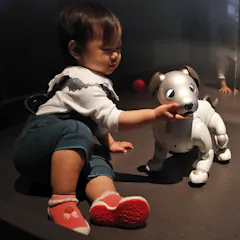
By letting machines recommend movies and decide whom to hire, humans are losing their unpredictable nature – and possibly the ability to make everyday judgments, as well.

Often the main differences among plans involve a long list of varying deductibles, co-pays and other out-of-pocket expenses, which can be tough to analyze.

There’s a lot of research in consumer behaviour that disputes the notion “more is better”. But it really depends on what type of personality you have.

Freedom of choice is a pillar of Western culture. But can too much of it be a bad thing?

New research on consumer behavior shows that we tend to match some types of choices the people around us make, but not others.

Treasury modelling suggests that limiting negative gearing will lead to small change in prices. But behavioural economics shows it all depends on how the policy is framed.
Top contributors
-

Associate Dean Research/Professor in Economics, UTS Business School, University of Technology Sydney
-
Assistant Professor of Economics, University of Dayton
-
Associate Professor of Psychology, Vanderbilt University
-
Professor of Marketing, Vanderbilt University
-
Professor of Philosophy and Director of Applied Ethics Center, UMass Boston
-
Senior Lab Director, Social Psychophysiology Laboratory, University at Buffalo
-
Associate Professor of Economics, University of Dayton
-
Professor of Marketing and Consumer Behaviour, Queensland University of Technology
-
Associate Professor of Psychology, University at Buffalo
-
Ben L. Fryrear Chair in Marketing and Associate Professor of Business Administration, University of Pittsburgh
-
Lecturer (Assistant Professor), Queensland University of Technology
-
Senior Research Fellow, Applied Ethics Center, UMass Boston
-
Associate Professor of Psychology, Rutgers University - Newark
-
Ph.D. Student in Psychology, Rutgers University - Newark
-
W. J. Van Duse Associate Professor, Marketing, Simon Fraser University