
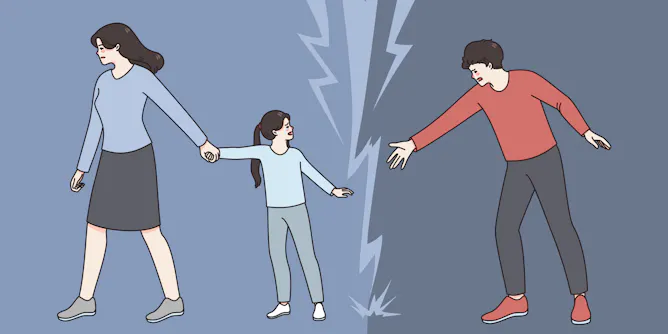
Some parents engage in domestic abuse by influencing their children to fear, dislike or distrust their other parent. What happens next is a cascade of losses.
Articles on Childhood trauma
Displaying 21 - 40 of 63 articles

Teachers can inspire children and young people to feel hopeful and promote a sense of agency through thoughtful, honest discussion and developmentally appropriate activities.

One in three children experiences abuse or neglect. These adverse events increase lifelong risks for chronic diseases and mental health issues, creating a public health hazard hiding in plain sight.
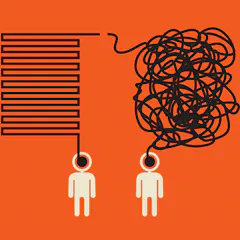
Adults who experienced trauma in childhood may get poor medical care because they have trouble telling a clear story about their health.

Racial trauma in society has been challenging for all of us, especially children and teens. There are practical steps we can all take to help ourselves and our kids heal.

A traumatic childhood can affect you physically, mentally and socially.

The execution of Lisa Montgomery in the U.S. earlier this year demonstrates how society misunderstands the effects of mental illness and trauma on criminal behaviour.
Children struggle amidst adversity, but these tumultuous and highly emotional times make it a critical time to teach ‘resilience’ – giving kids coping skills.

A concerning number of children in Australia have experienced trauma. Being more sensitive to what this means can help both the child and the teacher.

Visits between foster children and their biological families are being disrupted and reunification hearings delayed.
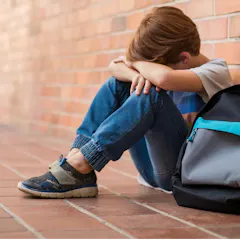
School closures under coronavirus have raised significant risks for vulnerable students who face maltreatment and exposure to violence. Here are five priorities to address when reopening schools.
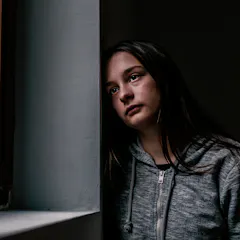
Don’t medicalize all anguish and existential despair, says a registered psychotherapist. Consider earlier traumas and 7 books about suffering and survival.
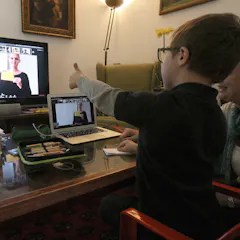
These are difficult and dire times, but holding on to the myth of childhood innocence won’t make this crisis any easier.
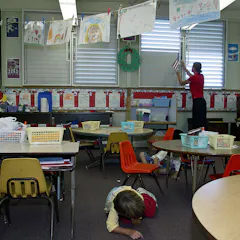
Teachers unions and gun-control advocates who decry the use of fake blood and simulated shootings have cause for concern. But getting students ready does take training and practice.
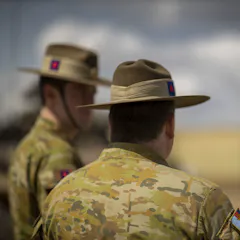
It’s time veterans were given the support they need to transition back to civilian life.
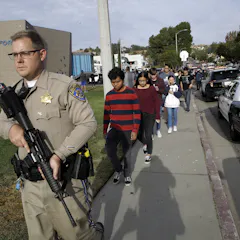
Being ready takes training and practice. But it might not require fake blood and simulated shootings.
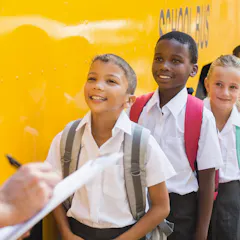
Universal screenings for childhood trauma, like the ones being implemented for California students, may cause more harm than good, a scholar argues.
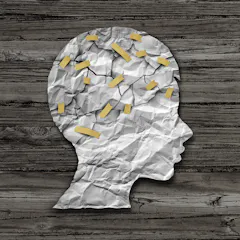
California’s surgeon general has implemented schoolwide screenings for trauma. A social work professor explains why the rest of the nation should do the same.

While it’s important to protect vulnerable children from exposure to further harm, it’s also important to give them a voice to speak about their own trauma from domestic violence.
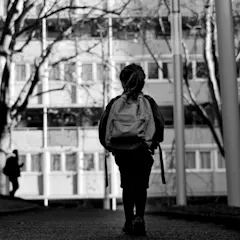
The education system is failing some of the country’s most vulnerable children.
Top contributors
-

Assistant Professor in Psychology, Bond University
-
Professor of Psychiatry, University of Toronto
-
Associate Professor of Criminal Justice, State University of New York Oswego
-
Associate Professor, School of Public Health, Georgia State University
-
Professor of Psychiatry, University of Toronto
-
Senior Lecturer in Criminology, Edge Hill University
-
Imaging/Digitization Specialist, Michigan State University
-
Director, Center of Excellence for Children's Behavioral Health, Georgia Health Policy Center, Georgia State University
-
Postdoctoral Research Fellow, The Matilda Centre for Research in Mental Health and Substance Use, University of Sydney
-
Professor of Child Psychiatry, University of Leicester
-
Founder & CEO, Black Box Research and Consultancy
-
Senior Research Associate, Georgia Health Policy Center, Georgia State University
-
Lecurer, Department of Psychology, University of Cape Town
-
Professor of Law, University College Cork; Independent Social Research Foundation
-
Associate Professor at The Matilda Centre for Research in Mental Health and Substance Use, University of Sydney