
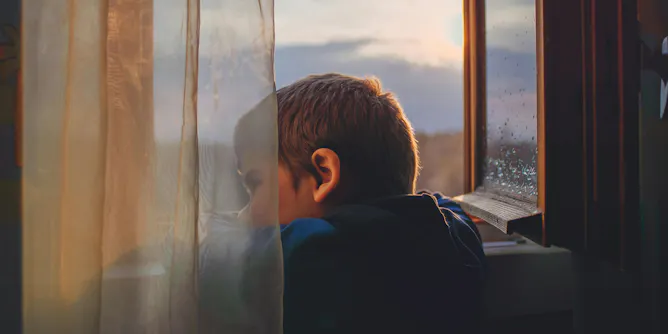
Being exposed to trauma in childhood is linked to serious mental and physical health issues later in life. These findings show trauma is not rare.
Articles on child maltreatment
Displaying all articles

In the wake of an infant death in Kingston, Ont., it is critical for this tragedy to inform changes to policy and to systems that uphold the right to safety and well-being for all Canadian children.

With therapy and social support, children and adults who experienced child sexual abuse can regain a sense of control over their lives.

New research shows one in four Australians think physical punishment is necessary to properly raise children. And one in two parents (across all age groups) reported smacking their children.
Shouting at children or calling them names is a kind of emotional abuse.

In emotional abuse cases, it is the most important adults in a child’s life who send harmful messages. And the hurt occurs when self-worth and identity are developing.

Heavy use of alcohol by caregivers places children at increased risk of serious harm. This burden of alcohol-related maltreatment is similar to traffic deaths caused by others drinking.

Public investments in benefit programs could save tens of thousands of children from being victims of child abuse and have important later-life effects on child welfare and overall health.

People who had experienced childhood maltreatment had higher risk of mental health problems, including depression, ADHD and schizophrenia.
A new approach to supporting victims of domestic violence and child maltreatment.

School closures under coronavirus have raised significant risks for vulnerable students who face maltreatment and exposure to violence. Here are five priorities to address when reopening schools.
Top contributors
-

Assoc Professor & Clinical Psychologist, The University of Queensland
-
Senior Research Officer and Statistician, Te Kunenga ki Pūrehuroa – Massey University
-
visiting professor at UCL, University of Cambridge
-
Director Centre for Health and Justice, University of Nottingham
-
Doctoral Scientist, University of Cambridge
-
Adjunct Professor of Pediatrics and Health Policy and Management, University of California, Los Angeles
-
Lecturer in Psychology, University of Southampton
-
Professor, Département de psychoéducation, Université du Québec à Trois-Rivières (UQTR)
-
Assistant Professor of Behavioral Medicine & Psychiatry, West Virginia University
-
PhD Student, Clinical Psychology, L’Université d’Ottawa/University of Ottawa
-
Associate Professor in alcohol policy, Te Kunenga ki Pūrehuroa – Massey University
-
Director, Parenting and Family Support Centre, The University of Queensland
-
Full Professor, Director of the Centre for Research on Children and Families, McGill University
-
Assistant Professor & Core Member, Offord Centre for Child Studies, Department of Psychiatry & Behavioural Neurosciences, McMaster University
-
Associate Professor, School of Psychology, Scientist, Children's Hospital of Eastern Ontario Research Institute, L’Université d’Ottawa/University of Ottawa