

A lack of food is not the only cause of malnutrition. Poverty, disease, poor sanitation, climate pressures and limited access to healthcare also shape it.
Articles on child malnutrition
Displaying all articles
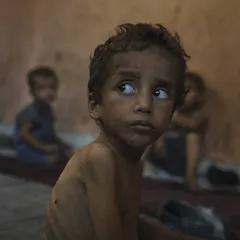
By August,15.8% of children aged under five were suffering from acute malnutrition.

Where governance is weak and food supplies are unreliable, climate change causes child wasting and can be a warning sign of conflict to come.

Starvation causes both physiological and psychological stress.
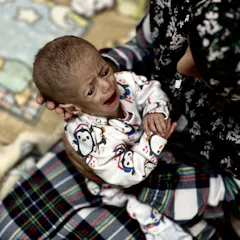
Starvation and malnutrition are harmful for anyone. But for infants the impact can be profound and lasting.
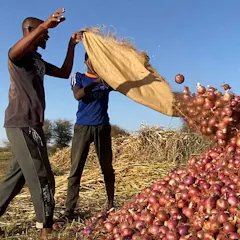
Despite its stark reality, there is a potential path forward for Sudan if peace can be found.

Nigeria has been faced with economic despair and social unrest. Scholars explain the issues and possible solutions.
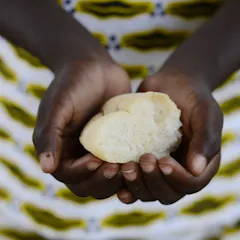
Nigeria needs to adopt a multi-faceted approach that addresses the root causes of child malnutrition.
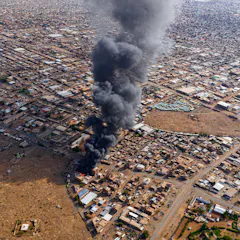
Rural households are especially hard hit by food shortages due to disrupted farming, limited access to markets and soaring food prices.

Food prices remain high in both urban and rural areas of Pakistan and achieving food security will remain a challenge for many families.

Child malnutrition is no stranger to high-income countries. In Canada and the U.S., food insecurity affects one in six children under 18, but policies to address the issue are still lacking.
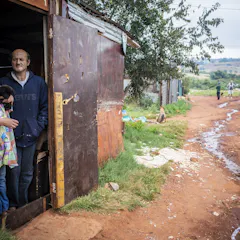
There is no substance to the view that poor people are lazy and prefer to live on handouts from the state rather than seek work.
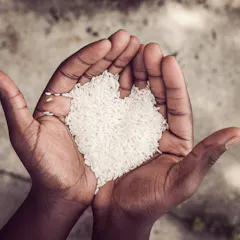
African countries need multi-sectoral approaches to tackle food insecurity.

If children are not given the nutrition they need, there are long-term effects on their health.
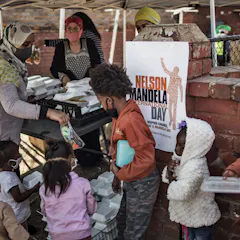
Children have made many sacrifices because of the country’s COVID-19 response, including social isolation, lack of education opportunities and reduced access to nutrition programmes.

Intergenerational poverty affected children’s health in the 18th and 19th centuries – we must be aware of the risks today.
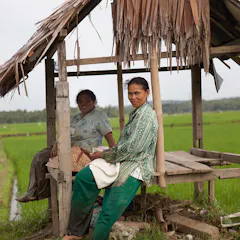
Despite the poverty rate falling, 30.8% of children are still undernourished.
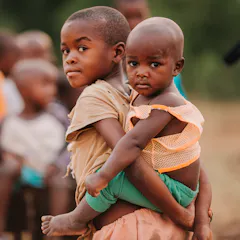
We found that current indicators underestimate nearly 6 million children suffering from malnutrition.
Top contributors
-

Senior Lecturer | Global Health, UNSW
-
Associate Principal Research Fellow, Burnet Institute
-
Research Fellow, International Food Policy Research Institute (IFPRI)
-
Associate Professor in Environment and Development, Australian National University
-
Professor of Bioarchaeology, Durham University
-
Reader in the School of Social Sciences, Cardiff University
-
Postdoctoral Research Fellow, Department of Political Sciences, University of Pretoria
-
Assistant Professor, University of Pennsylvania
-
Lecturer, Demography and Social Statistics, Obafemi Awolowo University
-
Reader in Food, Nutrition and Public Health, University of Westminster
-
Lecturer, Cardiff University
-
Research Fellow, Institute of Development Studies
-
Associate Professor in Paediatrics, University of Pretoria
-
Lecturer, Imperial College London
-
Professor of Economics & Business, Allegheny College