

Children don’t learn much about how illnesses spread if they are just taught a list of dos and don’ts. They need to know why an action is useful.
Articles on Child development
Displaying 301 - 320 of 390 articles

Milestone charts can be an effective tool in spotting developmental problems. But do they say anything about the future potential of children who are developing normally?
Children exposed to lead are at elevated risk for learning delays and academic issues.
Understand what’s going on in your child’s brain and it could help your parenting.
Children don’t learn all aspects of language from their parents, but invent a language structure themselves.
Childhood achievements such as walking and talking are often celebrated signs that things are going well in a child’s life. But once these achievements start being compared between children, they can become the cause of anxiety.
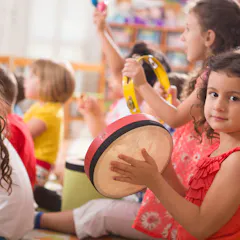
Under new legislation, children from low-income families will receive just 12 hours of early learning support a week, adding to the risk of these children falling behind their peers at school.
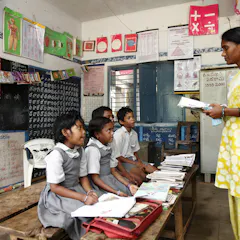
Hitting young children affects their grades as they grow up.
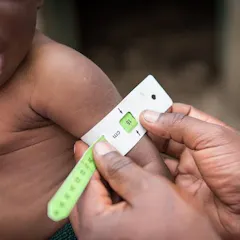
Research around the importance of the first 1000 days has been gaining traction. The latest links stunting to malnutrition in children.
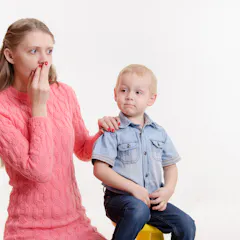
Is children swearing a bad thing? Should I scold him for using words he doesn’t know the meaning of? Should I discourage him from using swear words and refrain from swearing in front of him?

Infant monkeys who play more develop better motor skills even though they grow more slowly, a study has found.
Baseless claims about the damage done to kids’ development create needless panic. And they distract from legitimate, evidence-based concerns with which parents need to engage.

Increasing autistic children’s levels of vasopressin, a hormone that regulates social behaviour, could help treat the social deficits common to autism, research suggests.

In some ways, it’s spot-on. In others, not so much.
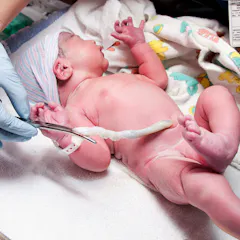
One of the most common surgical procedures undertaken in the world today – one that every human alive has undergone – is the clamping and cutting of the umbilical cord at birth.
Parents want to simultaneously support and push their kids. But when it comes to sports, this mentality can backfire in subtle ways.

Out research showed that motor skills in 7-month-old babies predicted the rate of language development in children that went on to develop autism spectrum disorder.
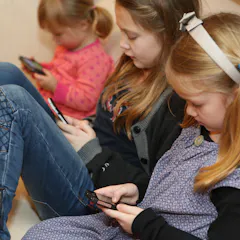
Despite occasional panic about the negative impact they may be having on children’s social and intellectual development, interactive devices give parents a much-needed break and can benefit kids.

Investment gaps may be key to understanding why poorer children perform so much worse throughout life.

There’s nothing like raising an infant to help galvanise one of the greatest debates in modern linguistics.
Top contributors
-

Professor, Canada Research Chair in Determinants of Child Development, Owerko Centre at the Alberta Children’s Hospital Research Institute, University of Calgary
-
Deputy Director, The Kids Research Institute Australia, Professor of Autism Research, The University of Western Australia
-
Associate Professor in Psychology, Deakin University
-
Professor of Clinical Neuropsychology, University of Cambridge
-
Postdoctoral Research Associate, Cognitive Neuroscience, University of Cambridge
-
Associate Professor of Developmental Psychology & Psychopathology, University of Leeds
-
Professor of Educational Psychology, University of Wollongong
-
Associate Professor, School of Psychology, Scientist, Children's Hospital of Eastern Ontario Research Institute, L’Université d’Ottawa/University of Ottawa
-
Professor of Science and Technology for Brain-Inspired Intelligence/ Computer Science, Fudan University
-
Director, Center for Community Child Health Royal Children's Hospital; Professor, Department of Paediatrics, University of Melbourne; Theme Director Population Health, Murdoch Children's Research Institute
-
Associate Professor, Department of Psychology, University of Essex
-
Assistant Professor in Psychology, Bond University
-
Senior Industry Fellow, School of Education, RMIT University
-
Associate professor, Monash University
-
Inaugural Roberta Holmes Professor, La Trobe University