
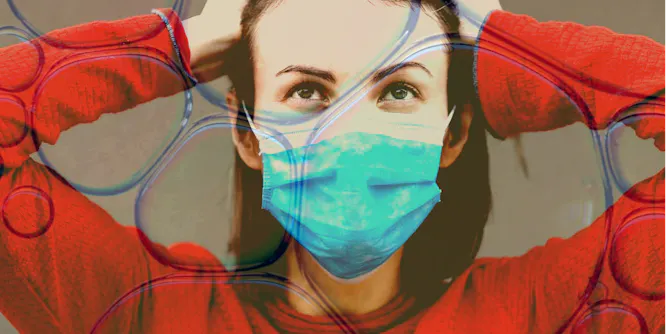
Endocrine-disrupting compounds are pervasive in modern life, from food packaging to shampoo. Research is connecting their effects on humans to risk of severe illness or death from the coronavirus.
Articles on Chemicals
Displaying 81 - 100 of 126 articles
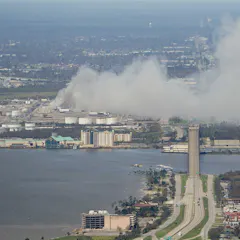
A storm-driven chlorine gas release in a vulnerable community is the type of worst-case scenario that scientists and engineers have warned about for decades.

For combustion to occur, oxygen must be present. Ammonium nitrate prills provide a much more concentrated supply of oxygen than the air around us.
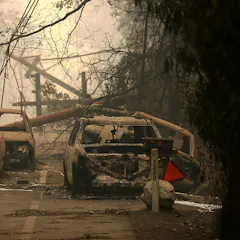
Buildings aren’t the only things at risk in wildfires. Recent disasters in California have left local water system contaminated with toxic chemicals afterward, slowing return and recovery.

Pepper spray uses a chemical called capsaicin. It’s the same compound that makes chillies hot, but in a more intense, weaponised form.

We need phosphorus for life, as well as for fertiliser to help plants grow, but raw supplies are limited.

The technician who gave you that shiny manicure may be inhaling dangerous levels of toxic chemicals on the job.

Pizza might seem like a simple food, but it’s uniquely equipped to excite our brains and thrill our taste buds.
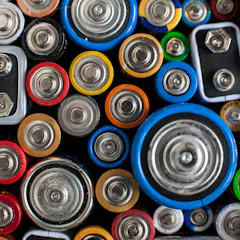
A battery’s power comes from a chemical reaction that happens inside the cell.
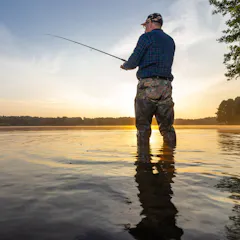
Episodes of reported PFAS contamination are never far from the news. Here’s a run-down of what PFAS is, and why we have little reason to worry about its potential effects on our health.
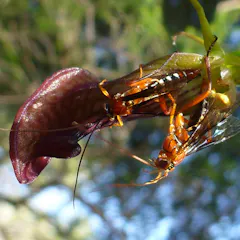
You can barely communicate with your kids, but these creatures are sending complex interspecies instructions.
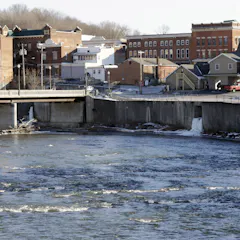
EPA is moving to regulate two chemicals from a group called PFAS that are contaminating drinking water. A public health expert explains why the agency should take much broader action.
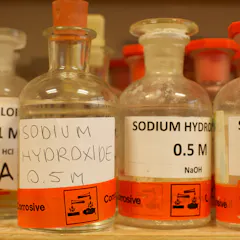
The spill at Sydney’s Australian Nuclear Science and Technology Organisation facility was of a household cleaning chemical that can be dangerous if it makes contact with the skin.
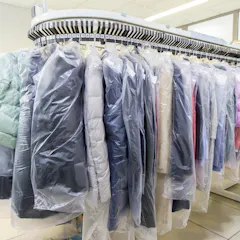
Dry cleaning isn’t really dry – it uses chemical solvents. Perc, the most common option, has contaminated soil and groundwater and poses serious health risks, but safer choices are emerging.
A PhD student in chemistry addresses some of the most common misconceptions about chemistry.
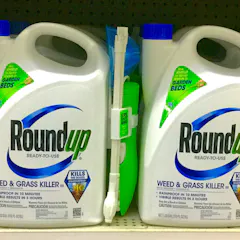
Hundreds of lawsuits against Monsanto contend that its popular Roundup weed killer gave users cancer. But proving this kind of connection is challenging in both science and law.

Interdisciplinary research led to the discovery that three historic books were covered in a layer of arsenic.
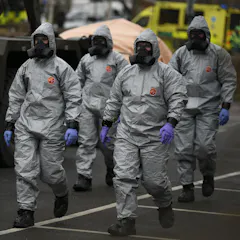
Hundreds of people have been warned after former Russian spy Sergei Skripal was poisoned with Novichok nerve agent.
Evidence suggests that some chemicals can affect our bodies – even in very low doses. How can we better identify and act on these toxic materials?
Regulation can’t keep up with the thousands of harmful chemicals that wash down our drains. Rather, companies should take responsibility for their products – before they hit the market.
Top contributors
-

Professor of Civil, Environmental and Ecological Engineering, Purdue University
-
Assistant Professor of Environmental Health, Middlebury College
-
Associate Professor of Geography, University of Colorado Boulder
-
Postdoctoral Researcher studying Plant-Atmosphere Interactions, Colorado State University
-
PhD Candidate in Emerging Technologies Governance, Institue for Sustainable Futures, University of Technology Sydney
-
Professor Emeritus of Chemical and Biological Engineering, Biomedical Engineering, and Public Health, Colorado State University
-
Professor of Biochemistry, Michigan State University
-
Senior Lecturer in Chemistry, University of Birmingham
-
Senior Research Consultant, Institute for Sustainable Futures, University of Technology Sydney
-
Associate Professor of Chemical Engineering, The University of Melbourne
-
Professor of Science Communication and Chemistry, University of Hull
-
Professor of Sociology, Rice University
-
Associate Professor in Chemistry and Associate Head Learning and Teaching, University of Tasmania
-
Lillian Gilbreth Postdoctoral Fellow, Purdue University
-
Professor of Environmental and Soil Chemistry, Michigan State University