
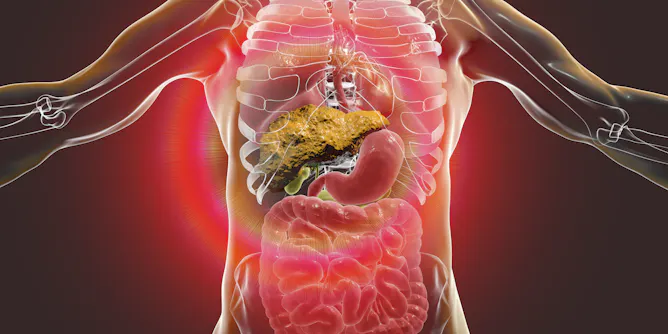
Vinyl chloride dilutes fairly quickly in outside air and water. One concern for lingering exposure from the derailment involves private wells.
Articles on Chemicals
Displaying 61 - 80 of 126 articles
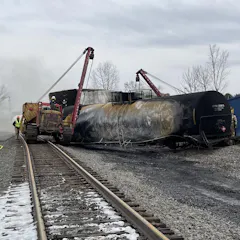
The slow release of information about the chemical spill and results of air and water tests have left many questions about the risks and long-term impact.
The WHO’s International Agency for Research on Cancer convenes a panel of scientific experts to review available evidence on whether specific chemicals or occupational exposures may cause cancer.
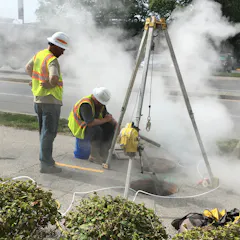
A wave of infrastructure projects is coming as federal funds pour in. Cities and everyone in them needs to know the risks from the cheapest, most popular repair method and how to avoid harm.
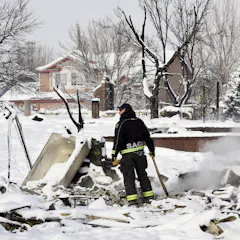
Noxious smells and blowing ash initially made the homes unlivable. But even after their homes were cleaned, some residents still reported health effects months later.

Chemicals are omnipresent in our lives and production is booming, yet we know little about their impacts on human health. To fill the gap, the EU has launched a series of biomonitoring initiatives.
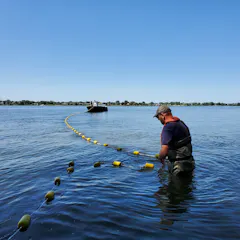
UV absorbents and industrial antioxidants are used in many household goods to protect them from UV radiation. They can have an adverse impact on ecosystems.
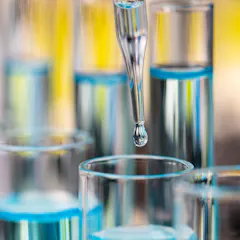
PFAS can be filtered, but getting rid of the chemicals is a monumental challenge. A new breakthrough offers some hope.
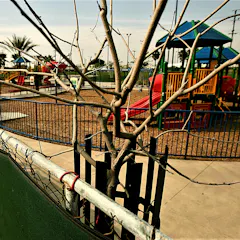
Climate change is colliding with old factory sites where soil or water contamination still exist, and the most vulnerable populations are particularly at risk.
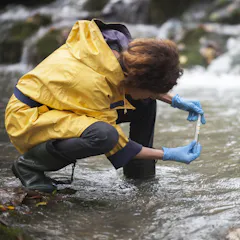
These chemicals are now present in water, soil and living organisms and can be found across almost every part of the planet – including 98% of the American public.
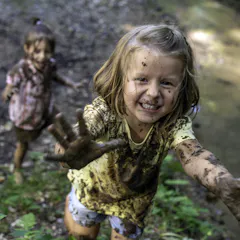
Tests found PFAS in school uniforms, pillows, upholstered furniture and several other items that are often next to children’s skin and near their noses and mouths.
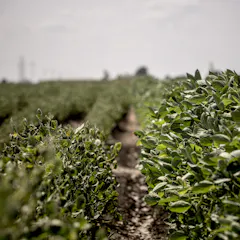
Farmers are stuck in a chemical war against weeds, which have developed resistance to many widely used herbicides. Seed companies’ answer – using more varied herbicides – is causing new problems.
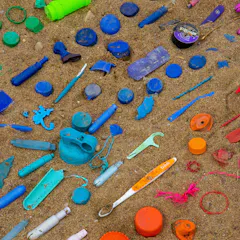
In this episode, two Indigenous scientists running collaborative labs to address our climate crisis offer some ideas for environmental justice, including a redefinition of pollution.
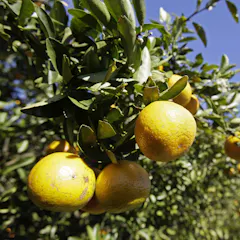
What kind of evidence does it require to get a widely used chemical banned? A professor of medicine and former state regulator explains how the case for chlorpyrifos as a threat to public health developed.

We can fine-tune bacteria using algorithms to help them produce the things we need, from antibiotics to methane.
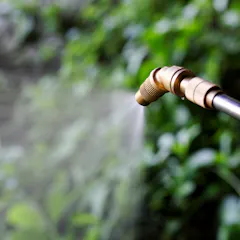
Paraquat’s potentially lethal effects on humans are well known. But our research has found it also causes serious environmental damage.
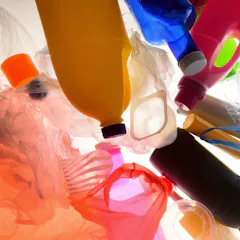
Scientists issued an urgent call for better federal regulation of these endocrine-disrupting chemicals. Here’s what you can do to reduce your family’s risk.
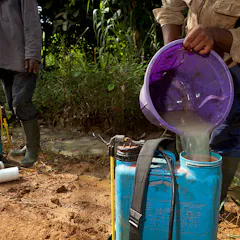
Small, practical messaging campaigns on pesticide toxicity can lead farmers to choose safer, less-toxic pesticides.
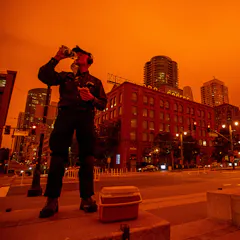
To understand the risks of wildfire smoke, it helps to understand the chemicals people are breathing.
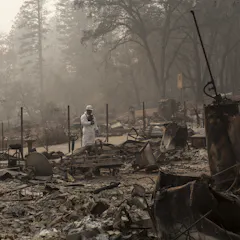
Two environmental engineers say governments need to do more to protect people from possible water contamination after wildfires.
Top contributors
-

Professor of Civil, Environmental and Ecological Engineering, Purdue University
-
Assistant Professor of Environmental Health, Middlebury College
-
Associate Professor of Geography, University of Colorado Boulder
-
Postdoctoral Researcher studying Plant-Atmosphere Interactions, Colorado State University
-
PhD Candidate in Emerging Technologies Governance, Institue for Sustainable Futures, University of Technology Sydney
-
Professor Emeritus of Chemical and Biological Engineering, Biomedical Engineering, and Public Health, Colorado State University
-
Professor of Biochemistry, Michigan State University
-
Senior Lecturer in Chemistry, University of Birmingham
-
Senior Research Consultant, Institute for Sustainable Futures, University of Technology Sydney
-
Associate Professor of Chemical Engineering, The University of Melbourne
-
Professor of Science Communication and Chemistry, University of Hull
-
Professor of Sociology, Rice University
-
Associate Professor in Chemistry and Associate Head Learning and Teaching, University of Tasmania
-
Lillian Gilbreth Postdoctoral Fellow, Purdue University
-
Professor of Environmental and Soil Chemistry, Michigan State University