
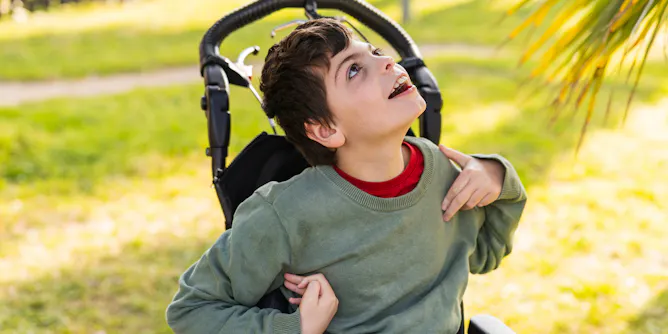
A new review on exoskeleton therapy for cerebral palsy reports some promising findings.
Articles on Cerebral palsy
Displaying all articles
South Africa needs to take pragmatic steps to plug the shortcomings in the data that’s collected on people with intellectual and developmental disabilities.

Research has shown physio improves physical and cognitive outcomes for babies with cerebral palsy.

Mobility assistance dogs don’t just help children with walking – they also help improve overall quality of life for the children and their families.

The number and value of medico-legal claims has increased.

Not much is known about the long-term consequences of cerebral palsy, especially on mental health.

Thousands of children with cerebral palsy were deemed ‘ineducable’ in the 1950s.

Good posture is important for everyone – but for people with disabilities it can be a life saver.
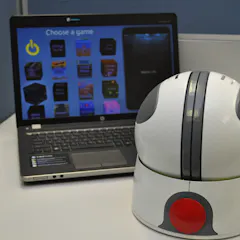
Video games aren’t just fun, they can also be potent therapeutic devices. The OrbIT has shown it can help children with cerebral palsy to improve their hand function.

Knock knees (and bow legs) are generally a normal part of a child’s growth and development. But if they persist, they can become problematic.
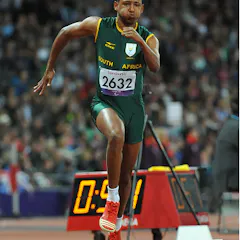
People with cerebral palsy are limited when it comes to the ability to exercise. But research shows that, if they keep fit from a young age, this can change.
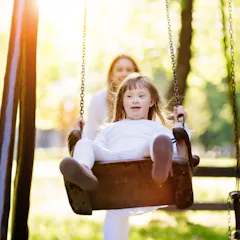
Informal early support through intervention programs helps parents understand their child’s newly diagnosed disability. But what will happen when, under the NDIS, these services no longer exist?
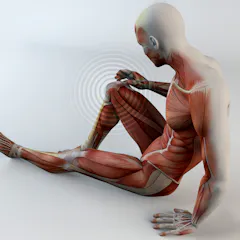
New breakthrough in how to test proteins linked to touch and movement could have major implications for strokes, diabetes, spinal injuries and much more.
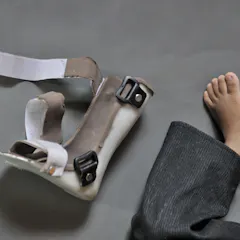
The single diagnosis of cerebral palsy covers a wide range of conditions with many different contributing factors that interact in varying ways.
Caesarean deliveries do not prevent children from developing cerebral palsy despite long-held medical assumptions. According…
Top contributors
-

Senior Lecturer and Rehabilitation Engineer, Flinders University
-
PhD Researcher, Swansea University
-
Senior Lecturer, Biomedical Sciences, University of Aberdeen
-
Honorary Fellow, Early Childhood Education., Charles Darwin University
-
Associate Professor and Research Chair at the Division of Sport and Exercise Medicine, Stellenbosch University
-
Associate Research Fellow, Institute of Biomedical Sciences, Academia Sinica
-
Associate Professor, Obstetrics and Gynaecology, University of Sydney
-
Professor of Children's Nursing, Edge Hill University
-
-
Emeritus Associate Professor, Alan J Flisher Centre for Public Mental Health, University of Cape Town
-
Medical Director, Grace Centre for Newborn Care, Macquarie Group Foundation Chair of Cerebral Palsy, Cerebral Palsy Alliance, University of Sydney
-
Lecturer, Stellenbosch University
-
Senior Physiotherapist, The Children's Hospital at Westmead, and Lecturer in Physiotherapy, Macquarie University
-
Visitor in the School of Biological and Biomedical Sciences, Durham University
-
Lecturer in Health Psychology, University of Surrey