
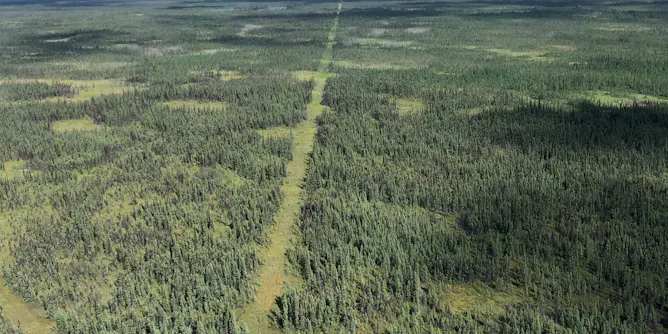
Seismic lines fragment forests and alter their ability to act as habitats and provide climate change mitigation benefits.
Articles on Caribou
Displaying 1 - 20 of 22 articles
As delegates gather in Brazil for COP15, the fate of Arctic caribou migrations should serve as both a warning and a test.
Protecting places that are likely to remain cool and moist as global temperatures rise can save wildlife of all kinds, but first we have to find them.
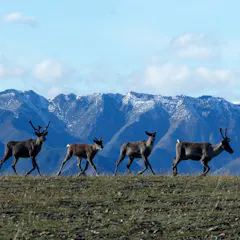
Despite surviving through large climatic fluctuations in the past, future climate warming may cause a drastic decline in caribou populations.
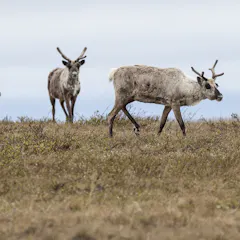
Caribou, migrating birds and many other types of wildlife rely on this expanse of wetlands and tundra. But about 5.5 million acres are being put up for oil and gas leases in March 2026.

Tree-rings unlock 195 years of past climate in the Gaspésie mountains.
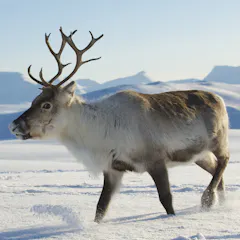
Here’s everything you need to know about this iconic animal, including why they need antlers, why they really can have red noses and how their eyes change colour!

Conflicts between herders and the wild ancestors of their yaks, camels and reindeer are a serious threat to both people and wildlife, writes a scientist who has seen these clashes firsthand.
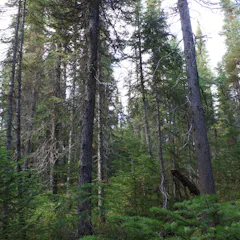
The remoteness and small size of old-growth boreal trees should not make us forget their high ecological importance and the many threats they face.
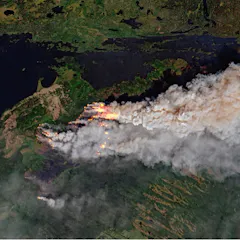
North America’s boreal forests have been burning a lot, probably more and more over the past 60 years. Yet the long-term trend indicates that they are burning less than they were 150 years ago.
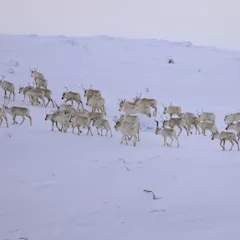
Support for Inuit and other Indigenous-led strategies for conservation and community well-being must be prioritized.
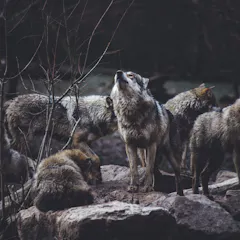
Woodland caribou populations are on the decline because human activity changes their habitat and exposes them to predation by wolves. But changing wolves’ hunting habits may protect the caribou.
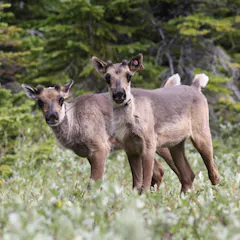
An Indigenous-led effort to increase caribou abundance and cultural practices like hunting is successfully increasing the caribou population
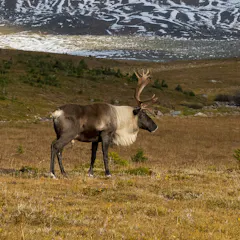
Genetic analysis of caribou populations reveals that some groups are genetically more predisposed to migrating than others. But human activities are affecting these behaviours.
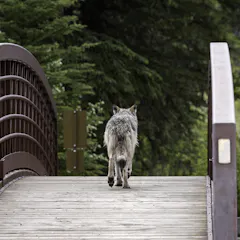
The hunting territories of wolves in the northern boreal forests are changing, in part due to the convenience of trails built for logging. This has placed caribou at an even greater risk.

The Arctic is particularly vulnerable to climate change, but efforts to tackle it risk alienating the people who live there.
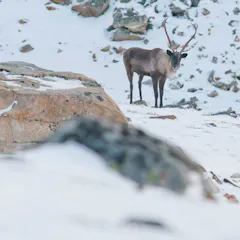
Canada needs a national board of advisers to hold Parks Canada’s feet to the fire and shield it from political interference.
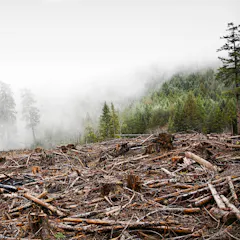
Doug Ford’s government is undercutting the environment by giving business and development the upper hand.
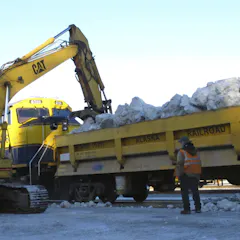
For everyone from traditional hunters to the military, the National Park Service to the oil industry, climate change is the new reality in Alaska. Government, residents and businesses are all trying to adapt.
Canada’s national parks don’t need more visitors. They could use more scientists, and better science, to help conserve the country’s species.
Top contributors
-

Fellow, Queen's Institute for Energy and Environmental Policy, School of Policy Studies, Queen's University, Ontario
-
Research assistant professor, University of Alaska Fairbanks
-
Adjunct Professor, Department of Renewable Resources, University of Alberta
-
Planner / RPP / MCIP, York University, Canada
-
Écologie et aménagement forestiers, Université du Québec en Abitibi-Témiscamingue (UQAT)
-
Professor, Ecology and Evolution, University of Calgary
-
Vice-Provost, Labrador Campus & Dean, School of Arctic and Subarctic Studies, Memorial University of Newfoundland
-
Adjunct Full Professor of Environmental Conservation, UMass Amherst; U.S. Geological Survey
-
Adjunct Professor; Head, Applied Conservation Macro Ecology Lab, University of Victoria
-
Postdoctoral Fellow, School of Arctic and Subarctic Studies, Memorial University of Newfoundland
-
Community Research Partner
-
Postdoctoral fellow
-
Associate professor, Department of Geography and Planning, University of Toronto
-
Postdoctoral Researcher, Liber Ero Fellow, University of British Columbia
-
PhD Student, University of Alberta